

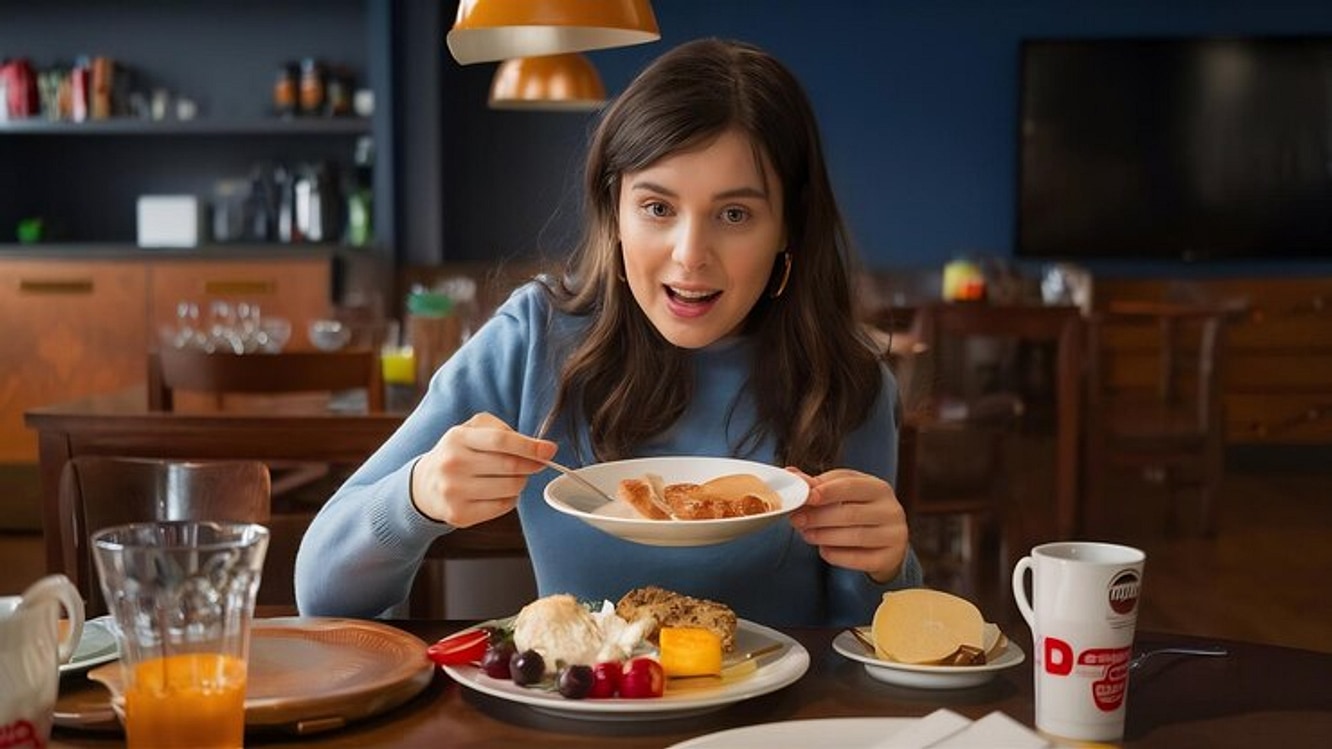
Cooking at home is comforting. Knowing what goes into your dinner can help you feel like you’re in control of your food and your health. But the foods you know best can also ease you into eating too many calories without realizing it. Calories from home can sneak up if you don’t pay attention to serving sizes and how often you go back for seconds.
How It’s Possible to Misjudge Meals You Make Yourself
It’s easy to think you won’t overeat if you’re cooking at home. But even meals made with whole foods can hide calories in oily cooking techniques and oversized portions. And without a package to show you how much you should eat, it’s easy to scoop just a little more onto your plate or bowl.
Everything from a big spoon of rice to pouring a little extra olive oil to spreading ranch on everything you eat can help you over time. When your meal was nutritious comfort food prepared with love, those extra calories don’t feel like cheating. They can add up, though, when you’re trying to keep an eye on your calorie intake.
How It Starts: Serving Yourself More Over Time
You won’t likely go from eating a reasonable portion to supersizing your meal in one sitting. It probably started when your favorite snack became a bigger chip bag or your default dinner plate increased by an inch or two.
As your habits grow, so can your expectations for how much to serve. And there are plenty of subtle cues that encourage you to eat more, like a wide dinner plate that makes your food appear smaller than it is. Or maybe a deep bowl tempts you to fill it up again since it doesn’t look full enough or feels too small to satisfy you.
- Serve meals on smaller plates and bowls
- Measure your rice, pasta, or potatoes until you have a sense of the proper portion
- Serve yourself in the kitchen, not at the table
- Wait before seconds are asked or offered
- Be mindful when just a little more becomes the new normal
There’s no diet mentality here, no food police in your kitchen telling you what to eat. These are just tiny tricks that help you recalibrate so your eyes, appetite, and body can align.
Why You May Be Eating More Comfort Foods Than You Think
Starchy foods cooked in fat and covered in salt. Comfort foods can be deliciously addicting and easy to overeat without realizing how many calories you’ve had.
That roasted casserole dish or macaroni and cheese you made from scratch isn’t bad for you. Sure, it might be high in calories and carbs, but it’s homemade and makes you feel good.
Eating too much happens when you don’t pay attention to how quickly you eat your comfort foods. Since they’re often more calorie dense, your portions may not seem large. And you might not feel overly full after eating too quickly or without paying attention.
You’re also less likely to worry about overeating foods you make yourself. After all, there are no calories on the nutrition label of a homemade meal. But if you have just one more bite of comfort foods every day, the extra calories add up fast.
Why Paying Attention to Hunger Matters
Hungry isn’t the only reason we eat. Sometimes we eat because it’s noon and we believe we should. Maybe you had a stressful morning and eat to reward yourself. Or perhaps it’s Friday and you’re celebrating with pizza.
When you learn to pay attention to why you want to eat, you can avoid using every meal as an opportunity to clean your plate. Here’s a handy trick to avoid mindless eating:
Take a break halfway through your meal. Are you still hungry or just eating because it tastes good? Pausing can help you avoid going from satisfied to overstuffed.
- Don’t eat in front of the TV or other distractions
- Assess your hunger before you clean your plate
- Wait 10 minutes before getting up for more food
- Drink a glass of water before deciding you want seconds
- Avoid associating snacks with emotions
Paying attention to your hunger doesn’t have to make meals feel like homework. It will help you learn to identify when you’re full sooner so you can enjoy your favorite foods without going overboard.
Calorie Density Vs Healthy Ingredients
Just because your meals are made from whole foods doesn’t mean you can eat as much as you want. Even healthy foods can contribute to weight gain if you don’t watch your portions.
- Look at these foods you may already have in your kitchen:
- Oil is high in calories and should be measured
- A cup of cooked rice or pasta can be surprisingly large
- Nut portions should be measured
- Cheese is creamy but can be high in calories
- Sauces can contain added sugar and fat
So how much pasta is too much? If you’re focused on what you can’t eat, it will be easy to keep pouring pasta onto your plate. Focus on portion sizes instead. Everything you love can fit into your diet—just not unlimited amounts.
How Friends and Family Influence Your Meal Size
If you always have clean plates at dinner when you grow up, that’s just how meals are meant to be. But habitual overeating is difficult to escape when everyone at the table expects to be refilled.
Here’s how social dynamics around the dinner table can influence portion sizes and eating habits.
| Influence Factor | Behavior Triggered | Impact on Portions | Solution |
|---|---|---|---|
| Family Habits | Refilling plates | Overeating during meals | Pre-portion meals in the kitchen |
| Serving Style | Serving straight from pan | Encourages seconds | Store leftovers before meals |
| Peer Pressure | Matching others' servings | Larger portions | Discuss portion awareness |
| Cultural Norms | Clean plate expectation | Eating beyond hunger | Set reasonable portion sizes |
Understanding these factors can help you gain more control over eating habits influenced by social settings.
Maybe your family serves straight from the pot or pan. That makes it tempting to take seconds right away because everyone knows there won’t be any leftovers.
Solutions involve the entire family, not just you eating alone. Discussportion sizes and pack the leftovers back in the kitchen before you sit down to eat. You don’t have to stop anyone from seconds—it just means anyone who wants more will have to get up and fix another helping.
Cooking Methods That Cause Calories to Add up
- Cooking at home is calorie dense when you:
- Use butter in the pan
- Make cream-based sauces
- Add cheese to pretty much everything
- Serve oversized portions of pasta, potatoes, grains, and rice
When you’re watching your calorie intake, home cooking can stress you out. Will you be able to eyeball that serving of rice? How much pasta is too much?
Small tweaks can help you learn your portions without requiring scales and measuring cups every time you eat. Try to approximate servings the first few times you make a dish, then go back and measure. You’ll soon learn how much a healthy portion looks like without ruining the pleasure of home-cooked meals.
- Start cooking with smaller, measured portions
- Routinize Helpful Home Cooking Habits
You don’t have to try harder to eat less. Instead, condition yourself to serve sensible portions without thinking about it. Prepare your meals using these habits, and you’ll keep your calories in check without obsessing over every meal.
