


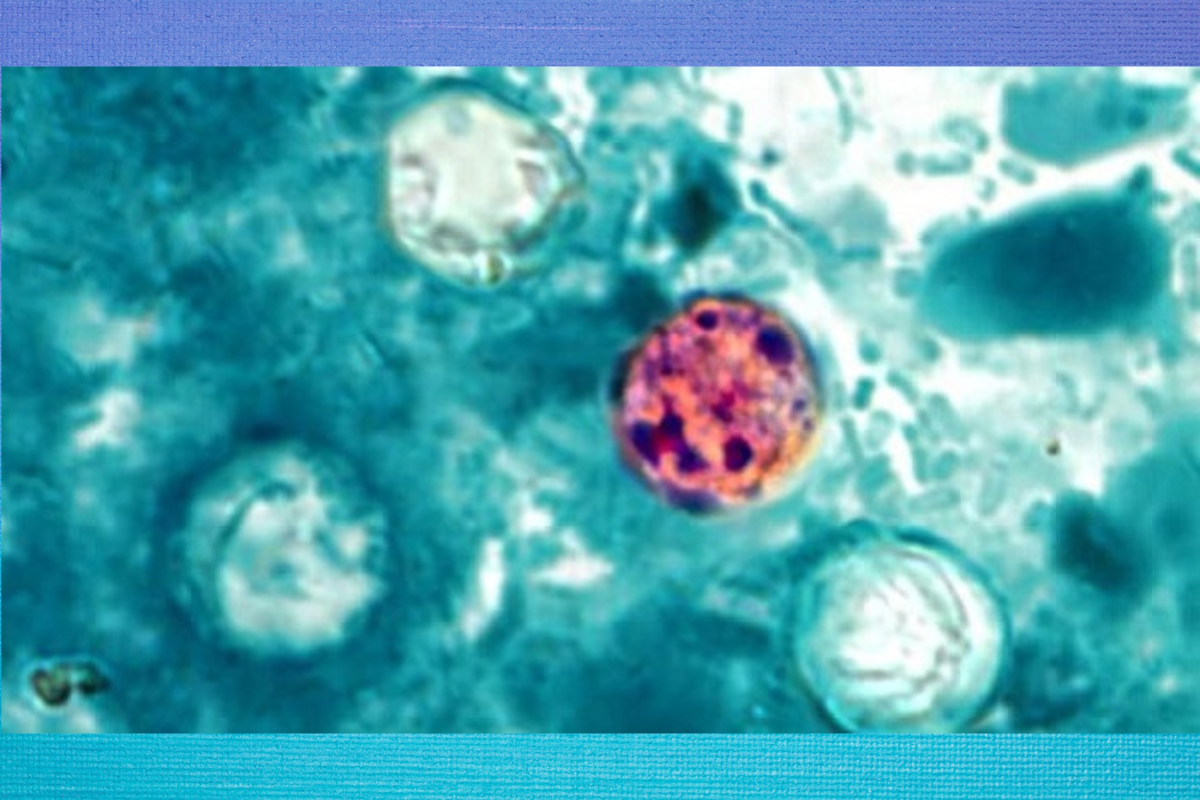
Just a few days before Independence Day, news broke about a parasite outbreak hitting the United States, starting in Michigan. At the end of June, more than 300 cases were reported across that state. Cyclosporiasis is the illness caused by the Cyclospora parasite (Cyclospora cayetanensis).
As of July 9, 2026, 843 U.S. cases of Cyclosporiasis have been reported to the CDC, with 86 hospitalizations and 0 deaths. There are 31 states reporting cases.
Unlike many stomach viruses, Cyclosporiasis is not usually spread directly from one person to another. According to the Centers for Disease Control and Prevention (CDC), the parasite spreads through food or drink contaminated with feces
Fresh fruits, leafy greens, herbs, and other raw produce have been linked to previous outbreaks, although investigators have not yet identified a single food
Symptoms generally appear about one week after exposure and may include prolonged watery diarrhea, stomach cramps, nausea, bloating, fatigue, loss of appetite, and unintended weight loss. In some individuals, symptoms can persist for several weeks if left untreated, increasing the risk of dehydration—especially among young children, older adults, pregnant women, and people with weakened immune systems
Chandler McGeeserves as the Public Information Officer and Risk Communicator of the Georgia Department of Public Health’s Southeast Health District. He provided more information on Cyclosporiasis, as well as graphs that depict the cases in the state of Georgia
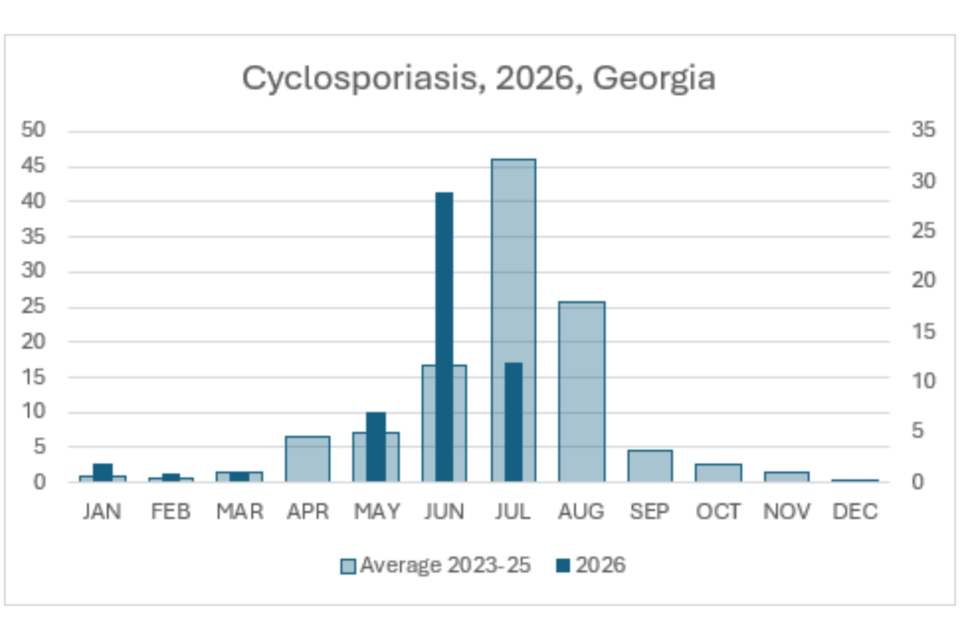
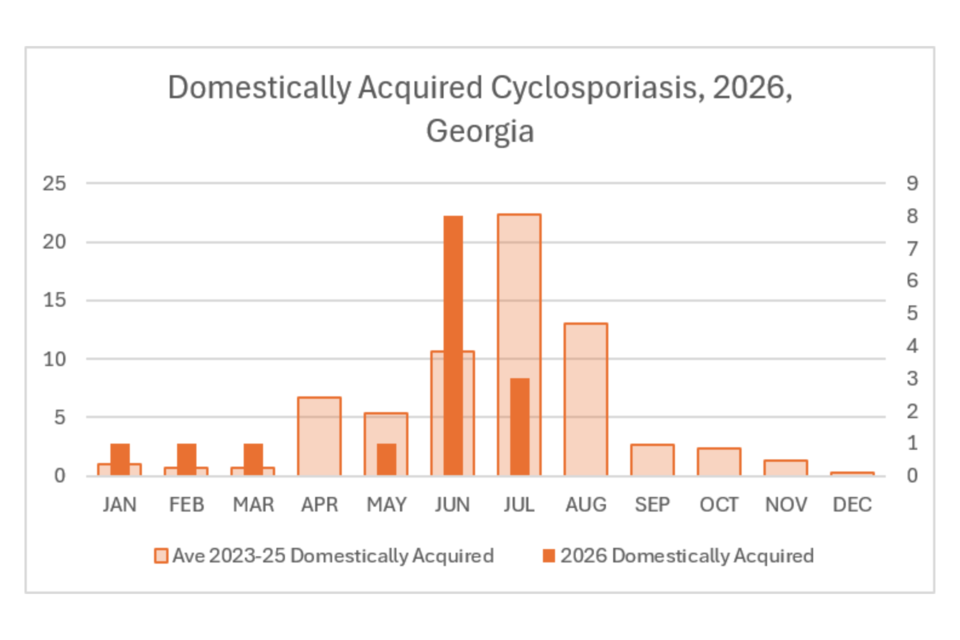
“It is important to keep in mind that Cyclosporiasis cases routinely increase in the spring and summer. The CDC designates ‘Cyclospora season’ from May 1 through August 31,” he explained. “The rise in illnesses is heavily linked to the increased consumption of fresh, imported produce during the warmer months.”
“The Georgia Department of Public Health (DPH) is not aware of any Georgia-specific outbreaks or clusters,” McGee explained. “As of now, there is no definitive food-item/outbreak case definition nationally, so it is unclear whether any of the cases are linked.”
The difference between Cyclosporiasis and the typical stomach bug is generally the longevity of the illness and symptoms. While Cyclosporiasis is a prolonged intestinal infection caused by a parasite, what we routinely call the stomach bug is more often a viral illness that usually resolves itself in a few days. Some stomach bugs may last longer. To determine whether you actually have Cyclosporiasis, stool specimens are tested
The illness can be treated with certain antibiotics if a healthcare professional says it is necessary. Statesboro Urgent Care provided some tips on when it’s a good time to visit the doctor if you are showing symptoms. Look out for:
Diarrhea lasting more than 2–3 days without improvement
Frequent watery diarrhea causing signs of dehydration, including dizziness, excessive thirst, dry mouth, or decreased urination
Moderate to severe abdominal pain or persistent cramping
A fever of 101.5°F (38.6°C) or higher
Blood or mucus in the stool
Persistent nausea or vomiting that prevents drinking fluids
Symptoms that develop after eating contaminated food, traveling, or after exposure to someone with a known intestinal illness
Diarrhea in infants, older adults, pregnant women, or individuals with weakened immune systems
“Patients should go directly to the emergency department rather than urgent care if they experience severe dehydration, confusion, fainting, severe abdominal pain, repeated vomiting with inability to keep fluids down, or significant amounts of blood in the stool,” Statesboro Urgent Care’s Dr. Sreevalli Dega said. “Early evaluation, proper hydration, and timely treatment can shorten the course of illness and help prevent complications, especially in vulnerable patients.”
Fortunately, there are practical steps everyone can take to reduce the risk of infection:
Wash your hands thoroughly with soap and water before preparing or eating food
Rinse fresh fruits and vegetables under running water before consumption. (This may not fully remove Cyclospora if the food is contaminated, but it can still reduce your risk.)
Enjoy cooked vegetables and fruits when possible
Refrigerate perishable foods promptly
Drink safe, clean water, particularly when traveling
Seek medical care promptly if persistent diarrhea develops
For more information on the outbreak, pay attention to the CDC and the Georgia Department of Public Health for updates
