


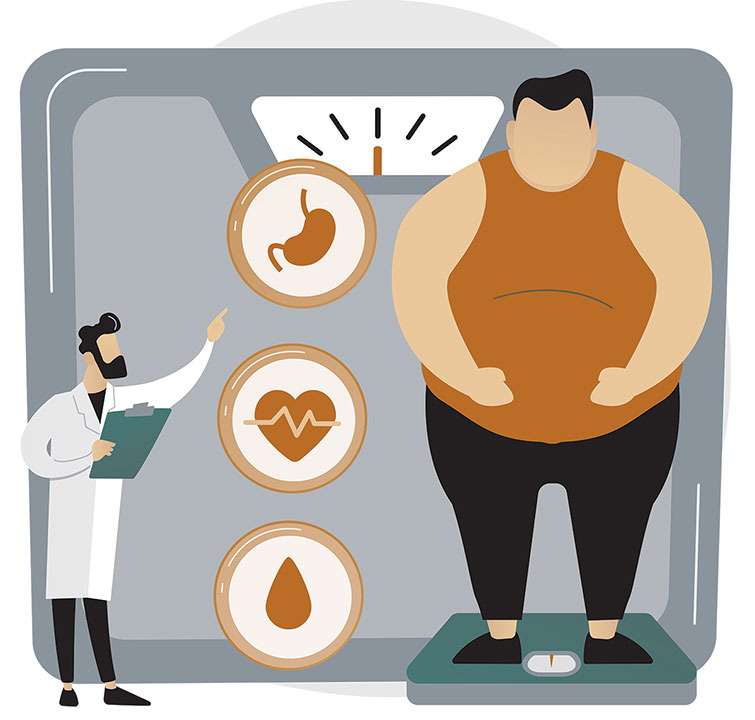
Obesity and its comorbidities are not merely medical concerns. They influence whether people can remain healthy, productive, and economically active throughout their working lives. The question is no longer whether the Philippines can afford to invest in addressing obesity — it is whether the country can afford not to
Recognized as a chronic non-communicable disease (NCD), obesity significantly increases the risk of serious health conditions such as type 2 diabetes, cardiovascular disease, chronic kidney disease, fatty liver disease, obstructive sleep apnea, osteoarthritis, and several types of cancer. Left unaddressed, it diminishes quality of life, shortens healthy life expectancy, and places increasing strain on families, employers, healthcare systems, and the broader economy
The latest data from the 2025 Updating Survey of the Department of Science and Technology–Food and Nutrition Research Institute (DoST-FNRI) reveal an alarming rise in obesity among Filipinos across all age groups
Nearly 4% of children under five years old are overweight for their height, while almost 9% of children aged five to 10 are overweight or obese. Close to 16% of adolescents aged 10 to 19 are overweight or obese, equivalent to one in every six Filipino teenagers. Among adults aged 20 to 59, the prevalence of overweight and obesity increased from 39.8% in 2023 to 44.5% in 2025. The survey also found higher prevalence among women (50%), urban residents (48%), and individuals from wealthier households (58%). These findings underscore that obesity has become a nationwide challenge affecting Filipinos across different ages, communities, and socioeconomic groups.
These trends carry consequences far beyond individual health. As obesity becomes more prevalent, its impact is increasingly felt in healthcare expenditures, workforce participation, business productivity, and national economic growth
The Epidemiological Burden and Cost of Obesity in the Philippines (EpiCOb-PH) study estimated that obesity cost the Philippine economy approximately P1.9 trillion in 2025 or equivalent to about 7.3% of the country’s gross domestic product (GDP). Healthcare expenditures for obesity-related illnesses amounted to P551 billion, accounting for nearly one-third of the total economic burden through direct medical expenses such as hospitalizations and treatment
The study, led by Dr. Madeleine de Rosas-Valera and supported by Novo Nordisk Pharmaceutical (Philippines), Inc., likewise estimated that obesity alone resulted in approximately P1.17 trillion in productivity losses in 2025. The annual direct medical cost for a person living with obesity was estimated at P66,696, increasing substantially as obesity progresses and leads to comorbidities such as diabetes, hypertension, and chronic kidney disease, where annual healthcare costs can reach P199,617 per person.
These figures should fundamentally reshape how we view obesity. Few health conditions exert such a significant drag on both healthcare spending and economic productivity. Investments in obesity prevention and treatment should therefore be regarded not simply as healthcare expenditures but as investments in national development, human capital, and long-term economic competitiveness
For employers, the business case is equally compelling. Obesity contributes to a higher burden of chronic disease among employees, increased healthcare costs, more frequent absenteeism, reduced workplace performance, and premature workforce attrition. Investing in employee health is no longer simply a wellness initiative as it is increasingly a business imperative. Healthier workplaces, preventive health screenings, access to nutritious food choices, and employee wellness programs strengthen productivity, improve talent retention, and enhance organizational resilience.
Families likewise bear substantial costs. Obesity often leads to mounting medical expenses, lost income, reduced earning potential, and diminished quality of life. Across the healthcare system, the growing burden of obesity contributes to increased demand for long-term care, greater fiscal pressures, hospital congestion, and heavier workloads for already stretched healthcare professionals. Collectively, these effects ripple across the entire economy
Because obesity is driven by complex biological, genetic, behavioral, environmental, and socioeconomic factors, addressing it cannot rest solely on individual responsibility. It requires coordinated action from individuals, employers, healthcare professionals, government, and communities
Healthcare professionals play a vital role by identifying obesity early, addressing it without stigma, and providing evidence-based care tailored to each patient’s needs. Government and policymakers must continue strengthening public health programs, promoting healthier food environments, supporting nutrition and physical activity initiatives, and creating communities that enable healthier choices. Integrating evidence-based obesity prevention and treatment into primary care and broader NCD strategies will also be essential to achieving sustainable health outcomes.
For individuals, obesity management should be viewed as a lifelong journey rather than a short-term goal. Healthy eating, regular physical activity, adequate sleep, stress management, and behavioral support remain the foundation of care. However, because obesity is a complex chronic disease, many individuals may also benefit from ongoing medical assessment and comprehensive management under the guidance of qualified healthcare professionals
Encouragingly, efforts to improve public understanding of obesity continue to gain momentum. Multi-sector initiatives such as “Live Lighter” are helping shift public perceptions by encouraging Filipinos to recognize obesity as a chronic disease rather than a personal failing. Evidence-based educational resources are also becoming increasingly available through initiatives such as NovoCare Philippines to complement conversations between patients and healthcare professionals and support informed decisions about long-term health.
Every peso invested in prevention, early intervention, and evidence-based obesity care has the potential to generate returns that extend far beyond improved health. It can strengthen workforce participation, reduce long-term healthcare expenditures, enhance business performance, and improve national productivity
If the Philippines is serious about building a healthier workforce and sustaining long-term economic growth, then addressing obesity cannot remain on the sidelines of our national conversation. It should be recognized not merely as a healthcare priority, but as a strategic investment in the futureof the country’s workforce
Teodoro B. Padilla is the executive director of Pharmaceutical and Healthcare Association of the Philippines, which represents the biopharmaceutical medicines and vaccines industry in the country. Its members are at the forefront of developing, investing and delivering innovative medicines, vaccines, and diagnostics for Filipinos to live healthier and more productive lives
