


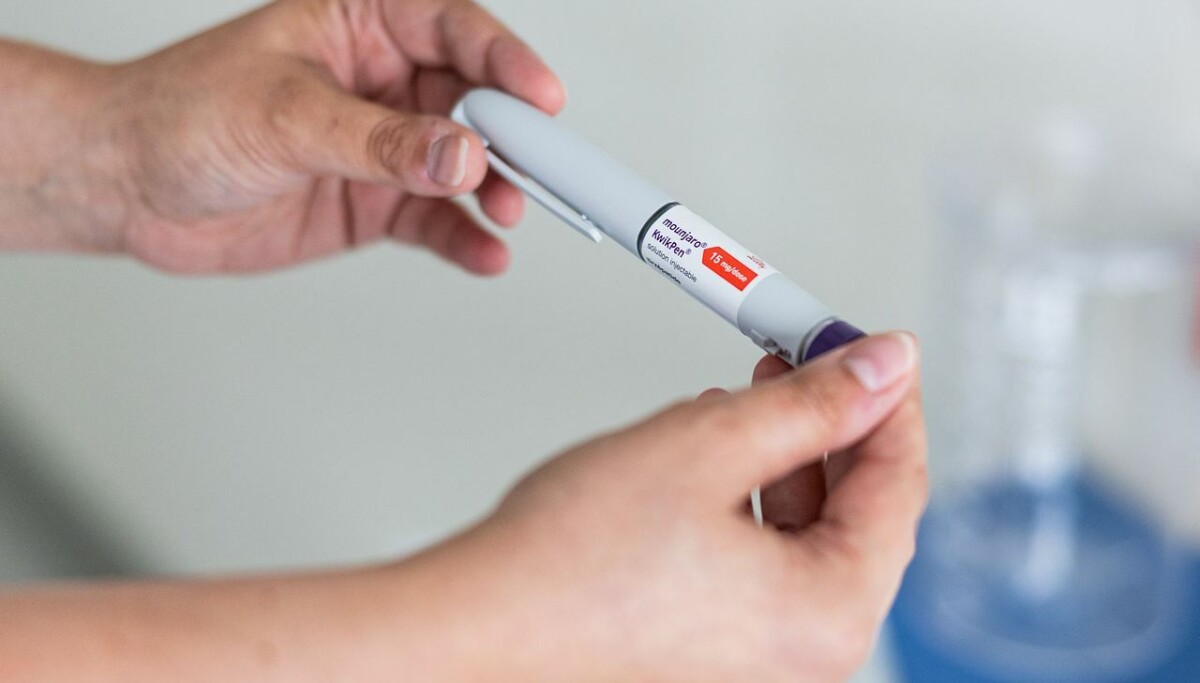
Weight-loss drugs are reshaping consumer behavior far beyond the health care sector, driving changes in fashion, beauty and food markets as more users lose weight and adjust their lifestyles
Kim, a department manager in their 40s at a company, recently bought four new summer shirts after losing 5 kilograms (11 pounds) in three months while taking a prescription weight-loss drug
“Until recently, I only wore loose-fitting oversized shirts to hide my stomach,” Kim said. “Now I feel more confident and find myself looking for slim-fit styles that show off my figure.”
Related Article
Safety alert issued for injectable drugs as incidents with obesity treatments surge
Record high scrips for Mounjaro for weight loss raise concern that urgent medical cases will get left out
Six out of 10 diet pill users in Korea not obese, report says
The shift has coincided with the rapid adoption of injectable glucagon-like peptide-1, or GLP-1, obesity treatments such as Novo Nordisk’s Wegovy and Eli Lilly’s Mounjaro. What began as medical treatment is increasingly influencing consumer spending after users lose weight
Despite monthly treatment costs ranging from 200,000 won to 600,000 won ($130 to $390), Korea’s obesity drug market continues to expand
According to the Health Insurance Review and Assessment Service, prescriptions for Wegovy and Mounjaro totaled about 800,000 during the first quarter of this year. The user base is expected to grow further as oral obesity treatments, including Wegovy Pill and Foundayo, enter the Korean market
Korea’s obesity drug market reached $377 million last year, making it the world’s fifth largest after the United States, Brazil, Canada and Australia, data from pharmaceutical market research firm IQVIA showed. Among the top five markets, Korea posted the fastest growth rate
The global obesity drug market is projected to grow from $46.07 billion last year to $97.86 billion by 2034
The effects are already visible in fashion retail
According to online fashion platform Zigzag, sales of clothing tagged with the keyword “slim fit” rose 46 percent in June from a year earlier, while searches for “plus-size” clothing remained unchanged. During the same period, searches for “slim fit” on online shopping mall Musinsa also increased 46 percent and related apparel sales on 29CM, also an online platform, jumped 228 percent
“As more people use obesity treatments and interest in body management grows, consumers’ preferences for clothing styles and sizes are also changing,” an official in the fashion industry said
A similar trend has emerged in the United States
The Wall Street Journal recently reported that clothing exchange rates for smaller sizes increased for three consecutive years from 2023 through 2025, citing an analysis by Narvar, a company specializing in shipping and returns management, covering 38 retailers
The scalp and hair care market is also emerging as a beneficiary of the trend
As more users experience hair loss during rapid weight reduction, the term “Wegovy hair” has gained traction in the United States. CNBC reported that the market for products and services addressing hair loss among obesity drug users could reach $1 billion
Korean beauty companies are also seeing stronger demand
At an Olive Young store that opened in Pasadena, California, in May, scalp essences, ampoules and exfoliating products ranked among the best-selling items. Amorepacific also reported that sales of its hair care brand Mise-en-scène on Amazon surged 237 percent during the retailer’s Big Spring Sale in March compared to a year earlier
As a result, Korean beauty brands are expanding their scalp and hair care product lines and accelerating distribution in the U.S. market
In the food industry, high-protein and smaller-portion products are emerging as new consumer trends as obesity drug users eat less while seeking to maintain muscle mass and increase protein intake. Global food companies including Nestlé and Conagra have already introduced products targeting users of obesity medications
“As the obesity drug market is expected to continue expanding, Korean companies should actively capitalize on these changing consumer trends as a new growth opportunity,” said Lee Jong-woo, a professor of distribution and marketing at Namseoul University
