



Pride has always been about embracing one’s identity, living authentically, and advocating for dignity and equality. Increasingly, it is also becoming a space to talk about another important form of empowerment: taking charge of one’s health

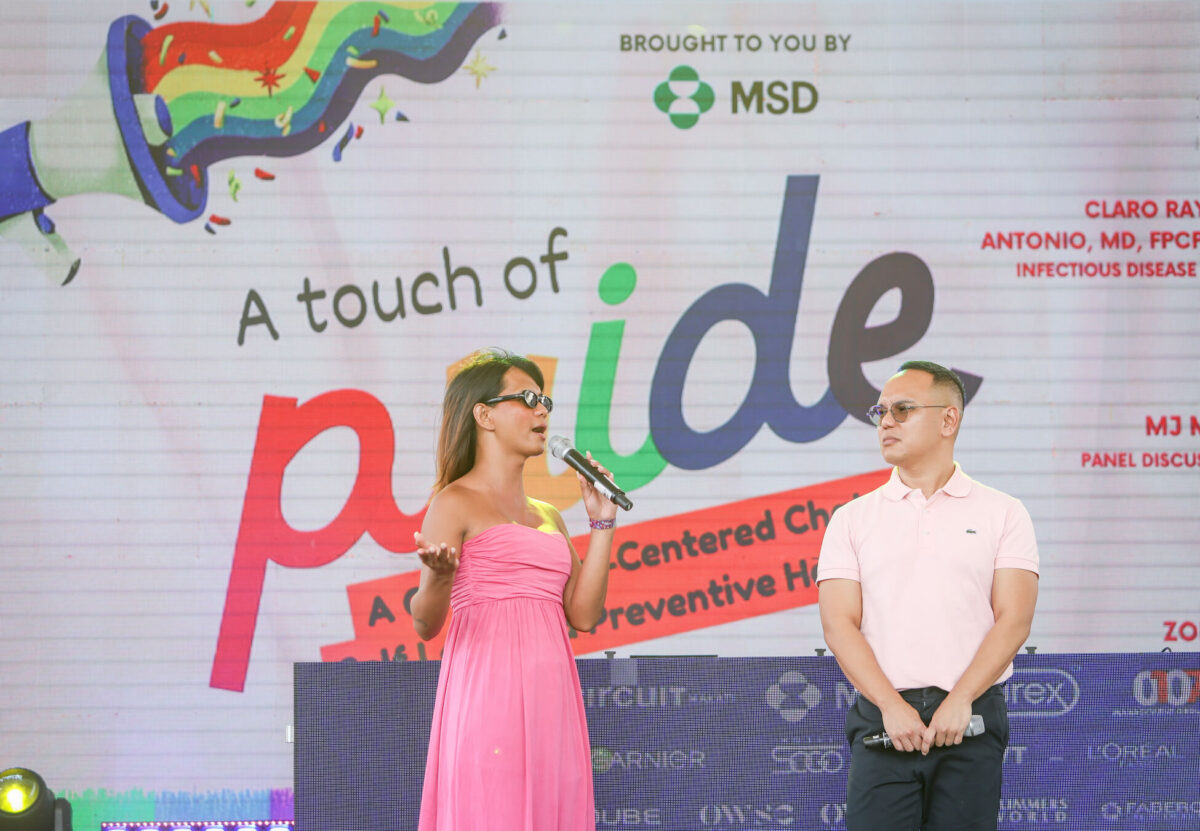
During last month’s Pride Month discussion organized in partnership with LoveYourself Inc. and supported by MSD in the Philippines, members of the LGBTQIA+ community and their allies came together to explore the connection between self-love, preventive healthcare, and informed health decisions
For infectious disease specialist Dr. Claro Antonio, self-care extends far beyond the wellness routines people often associate with it
“When you say self-care, most of us think about what will make us feel good today. But preventive healthcare is about thinking of your future self. It’s asking: how do I protect myself and keep myself healthy in the years ahead?” he said
Preventive healthcare includes actions that help reduce the risk of disease before illness develops, such as routine check-ups, health screenings, healthy lifestyle choices, mental health support, and vaccination. While these may seem like small steps, they can have a significant impact on long-term health and wellbeing
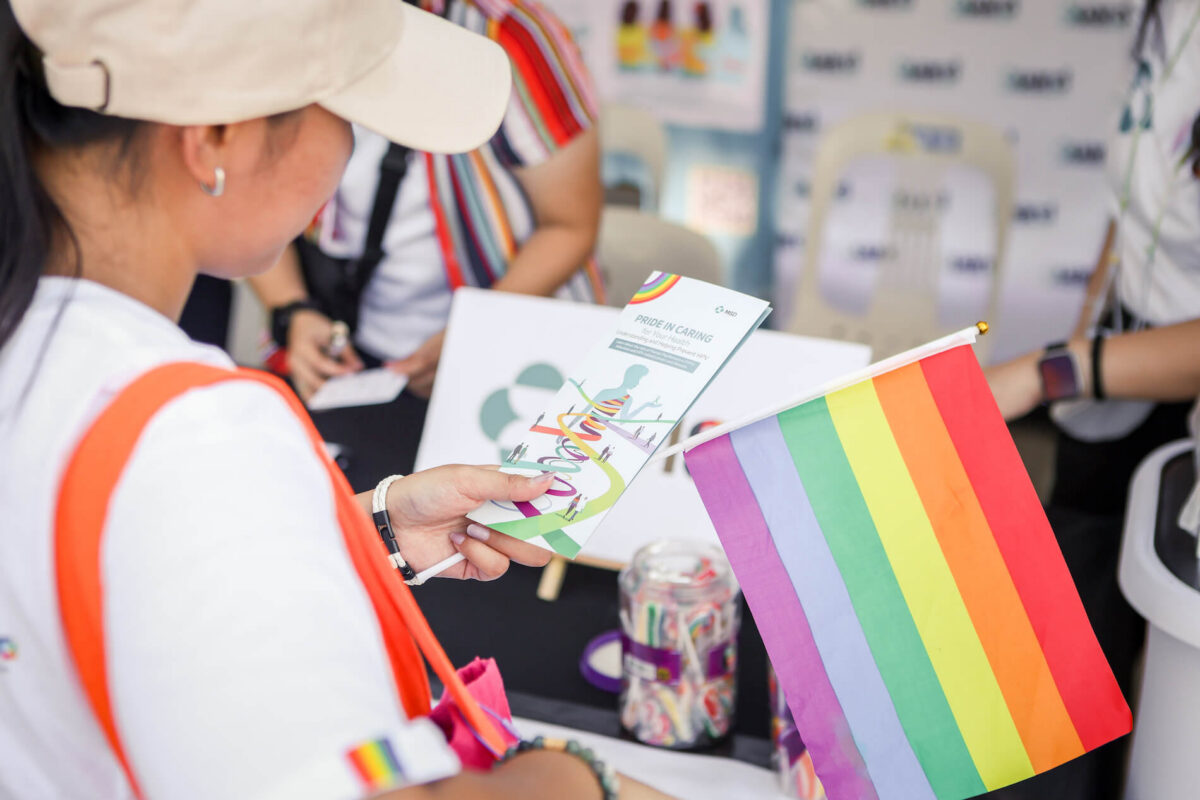
For many LGBTQIA+ Filipinos, however, accessing healthcare is not always straightforward. Concerns about stigma, discrimination, and misinformation continue to discourage some individuals from seeking care early and consistently
For Zoe Black, a transgender woman living with HIV and a community leader with LoveYourself, self-love and healthcare are deeply connected
“I believe self-love is deeply connected to health and wellness,” she shared. “The way we value ourselves influences the way we care for our bodies, our minds, and our overall well-being.”
Black reflected on her own journey following her HIV diagnosis eight years ago, describing how fear, anxiety, and self-stigma initially became barriers to treatment. Over time, she realized that health empowerment often begins with small, intentional choices
“Every healthy choice you make is already an act of self-respect. It is already an act of self-love,” she said
Her advice for others is simple: start where you are
“One step for one day is enough. Maybe your first step is simply setting an appointment. Every conscious decision to take care of yourself is already a big step.”
The discussion also highlighted how stigma can become one of the greatest barriers to better health outcomes
“I believe HIV does not kill people. It’s stigma and discrimination that do it. The more embarrassed people are to get tested, the more they delay treatment,” Black said
Creating safe, inclusive, and affirming healthcare spaces is therefore critical, particularly for communities that have historically faced barriers to care
The importance of preventive healthcare becomes even more pronounced for people living with HIV (PLHIV) and other immunocompromised individuals, who may face increased risks from certain infections and vaccine-preventable diseases. Regular consultations, appropriate vaccinations, timely screening, and adherence to treatment are essential to maintaining long-term health
Preventive healthcare should be prioritized by PLHIVs
“Vaccination is the highest form of self-care because you’re not only dealing with today. You’re protecting your future self,” he said
While vaccines are often associated with childhood, adult vaccination remains an important yet frequently overlooked aspect of preventive healthcare. Depending on age, lifestyle, and health status, adults may seek advice from their physicians on appropriate health measures to help protect against vaccine-preventable diseases such as influenza, pneumococcal disease, hepatitis B, and human papillomavirus (HPV)
HPV is one of the most common viral infections worldwide and is linked to several cancers and other diseases. Despite this, misconceptions about HPV and vaccination continue to persist
“HPV vaccination is not only for people who are sexually active. It’s one of the few vaccines that can actually help prevent HPV-related cancers,” Dr. Antonio explained
Health, Community, and Empowerment
Beyond medical interventions, both speakers emphasized the importance of community in supporting health and wellbeing
Black shared that one of the most important factors that helped her navigate her diagnosis was finding support and understanding from others. She also underscored the need to address mental health alongside physical health, noting that fear, shame, and self-doubt often prevent people from seeking care
Their message was clear: healthcare should be accessible, inclusive, and affirming. Community organizations, healthcare providers, advocates, and public health institutions all have a role to play in ensuring that people feel safe seeking care without fear of judgment or discrimination
As Pride continues to evolve as a movement for equality, dignity, and wellbeing, conversations about preventive healthcare serve as a powerful reminder that health is part of empowerment
Whether it begins with scheduling a check-up, getting tested, seeking mental health support, speaking with a healthcare provider, or learning more about vaccination, every proactive step is an investment in one’s future
Self-love is not only about acceptance. It is also about protection. It is choosing to care for the person you are today, and the person you hope to become tomorrow
ADVT.
This article is brought to you by MSD
READ NEXT
EDITORS’ PICK
Ate Gay says heâs not yet cancer-free but âfeeling stronger than beforeâ
US-Iran strikes: latest developments
The main candidates facing Netanyahu in Israelâs elections
Walang pasok: Class suspensions for July 13 due to Inday, monsoon
Arrest warrant out for Lindsay Custodioâs estranged husband over VAWC case
Alex Eala rises to career best No. 28 in WTA rankings
MOST READ
DOH chief Herbosa resigns; Pujalte eyed as successor
Jose Pujalte is Marcos’ new DOH secretary
Confined by police, Marcoleta posts FB message
WATCH: Sara Duterte impeachment trial | July 13, 2026
