


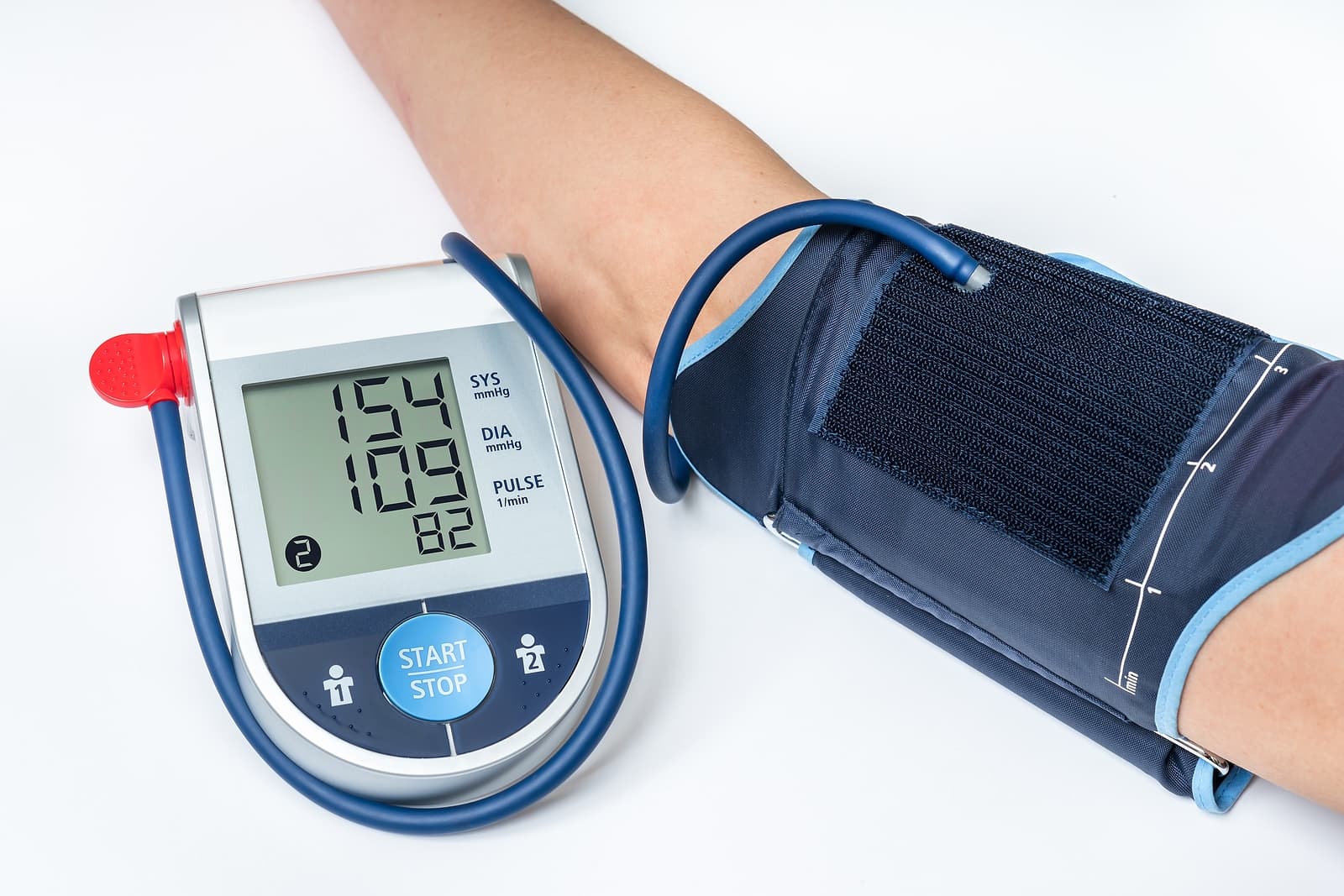
Nearly half of all American adults have high blood pressure. That represents roughly 120 million people, and most will eventually be encouraged to take medication. But blood pressure roulette is an uncomfortable way to describe what often happens next: a doctor chooses a drug, writes a prescription and waits to see what happens. Will it lower your blood pressure enough? Will it make you dizzy? Will your ankles swell? Will you develop a persistent cough, overwhelming fatigue or sexual difficulties?
Despite decades of research and dozens of available medications, there is still no reliable way to predict which blood pressure drug will work best—or cause intolerable side effects—for any given patient. That means treating hypertension remains largely a process of trial and error. Or, to put it less politely, hit or miss
Millions of People Are Affected By Blood Pressure Roulette
According to the Centers for Disease Control and Prevention, 48.1 percent of American adults have hypertension. That works out to about 119.9 million people
The 2025 American College of Cardiology (ACC) and American Heart Association (AHA) guideline defines normal blood pressure as less than 120/80
The guidelines state:
“elevated blood pressure is 120-129/80 mm Hg”
As a result, many PCPs (Primary care providers) try to get their patients below 120/80. Some home BP monitors warn that anything over that number signals trouble
“Importance of Healthy Lifestyle”
Modern medicine talks a good game about lifestyle interventions as the first step in controlling hypertension
Here is the ACC’s recommendation:
“The new guideline reaffirms the critical role healthy lifestyle behaviors play in preventing and managing high blood pressure, and it encourages health care professionals to work with patients to set realistic, achievable goals”
We especially love the BP guidance that includes:
- “managing stress with exercise, as well as incorporating stress-reduction techniques like meditation, breathing control or yoga
- “maintaining or achieving a healthy weight
- “following a heart healthy eating pattern
- “increasing physical activity to at least 75-150 minutes each week including aerobic exercise (such as cardio) and/or resistance training (such as weight training)
The Reality of Modern Medicine: Blood Pressure Roulette!
Busy primary care providers are rarely given the time to act as coaches to help their patients learn how to eat healthy food, exercise regularly, manage stress, control blood sugar and lose weight. Few insurance companies are willing to pay for health coaches to facilitate such activities
The alternate solution for busy healthcare practitioners is to prescribe blood pressure medications, which are paid for by insurance. The challenge is to achieve blood pressure goals without making people miserable
A prescription that lowers blood pressure beautifully is not much of a success if the patient stops taking it because of dizziness, swollen ankles, coughing, fatigue or frequent trips to the bathroom
The Reality of Blood Pressure Roulette
This is not a minor problem. A major analysis published in JAMA, June 23, 2026 concluded that adverse reactions to blood pressure medicines contribute to undertreatment and poor blood pressure control
The investigators analyzed 716 randomized clinical trials involving 159,362 people. They compared the five major categories of blood pressure medicine:
- ACE inhibitors
- Angiotensin receptor blockers, or ARBs
- Beta blockers
- Calcium channel blockers
- Thiazide and thiazide-like diuretics
They also evaluated various combinations of these medications
The results demonstrate why choosing a blood pressure medicine is more complicated than many people realize
Why Do Patients Abandon Blood Pressure Treatment?
Doctors sometimes use the term “nonadherence” when patients stop taking their medicine. Let me just go on the record by saying that I absolutely, positively hate the word nonadherence. It implies that the patient is irresponsible or disobedient. It’s a little like the admonition “Bad Dog!” when a pet disobeys a command
But what happens when the medicine makes someone feel awful?
A person who becomes lightheaded every time she stands up may decide that preventing a hypothetical future stroke is less urgent than avoiding a fall today. Someone whose ankles swell so badly that shoes no longer fit may conclude that the medicine is doing more harm than good. A person who coughs through meetings or wakes repeatedly during the night may eventually abandon the prescription
Something that is rarely discussed when a BP prescription is written is that some meds interfere with sexuality. Diuretics and beta blockers can contribute to erectile dysfunction. Other complications may include lower sex drive or inability to achieve orgasm. Many PCPs are uncomfortable talking about sexual side effects and leave it to patients to figure the problem out for themselves
Are Patients “Nonadherent” or Are the Drugs Unbearable?
The JAMA researchers found that treatment discontinuation because of adverse events varied substantially by drug class and combination
Calcium channel blockers (CCBs) increased the likelihood that people would stop treatment because of side effects. So did combinations of an ACE inhibitor with a calcium channel blocker and combinations of a beta blocker with a thiazide diuretic
What, you may be asking, is a CCB? The most commonly prescribed calcium channel blocker is amlodipine. At last count, nearly 18 million people were taking that drug
Just after it, in the top 10 most prescribed list of meds, comes the beta blocker metoprolol with 15.5 million patients. The number 1 most prescribed BP medicine is an ACEi (angiotensin converting enzyme inhibitor) called lisinopril with more than 20 million people
A Paradox Worth Paying Attention to
Every treatment containing an ARB (angiotensin receptor blocker) had fewer discontinuations than placebo. The differences were statistically significant for ARBs taken alone and for ARBs combined with calcium channel blockers
That does not mean that ARBs are perfect or that everyone will tolerate them. The authors repeatedly caution that their conclusions are based on averages from clinical trials and “may not apply to individual patients.”
That last phrase is crucial
A drug that looks wonderful when thousands of patients are averaged together can still be a disaster for one person. Another medicine with a less impressive average ranking may work extremely well for someone else
Here is my interpretation of the results, though. Losartan is the most prescribed ARB with 13 million people taking it. The second most popular ARB is valsartan with 1.7 million people taking it. So, the best tolerated BP drugs are prescribed far less often than medications which are tolerated less well, based on the JAMA research data
The authors state:
“A prior meta-analysis of 38 long-term BP-lowering randomized clinical trials (median follow-up, 4 years) found ARBs were also associated with the lowest risk of treatment discontinuation among different monotherapies. Observational data also suggest that ARBs may be the best-tolerated antihypertensive drug class.”
Despite this observation, doctors are far more likely to prescribe an ACEi such as lisinopril, a CCB like amlodipine or a beta blocker such as metoprolol than an ARB like losartan
When an ARB such as losartan was combined with a CCB such as amlodipine, the combination was also well tolerated. That might be because the dose of each could be lower in combination and result in fewer side effects
Blood Pressure Roulette Is Not Very Scientific
Most physicians develop prescribing habits. One doctor may favor hydrochlorothiazide as a diuretic, while another routinely reaches for chlorthalidone. Some prefer the ACE inhibitor lisinopril. Others start with the ARB losartan or the calcium channel blocker amlodipine
Such preferences are understandable. Busy clinicians become familiar with certain medicines, their dosing and their potential complications. But familiarity is not the same as predictability
There is no blood test, genetic screen or office procedure that can tell a doctor with confidence:
“This patient will respond beautifully to losartan but poorly to lisinopril.”
Nor is there a dependable way to predict:
“Amlodipine will lower this person’s blood pressure without causing swollen ankles, but it will make the next patient’s feet look like balloons.”
The doctor makes an educated guess. The patient takes the pill. Everyone hopes for the best. Calling that “precision medicine” would be a stretch
Does Doubling the Dose Double the Benefit?
Another major analysis, published in the Lancet, August 30, 2025 examined how well different blood pressure drugs and combinations actually lowered systolic blood pressure
“Blood Pressure-Lowering Efficacy of Antihypertensive Drugs and Their Combinations: A Systematic Review and Meta-Analysis of Randomised, Double-Blind, Placebo-Controlled Trials,”
The investigators analyzed 484 trials involving more than 104,000 people
At a standard dose, one blood pressure medicine lowered systolic pressure by an average of 8.7 mm Hg. Doubling the dose produced only another 1.5 mm Hg reduction. That is surprisingly little extra benefit for twice the dose
Combining two standard-dose medicines lowered systolic blood pressure by an average of 14.9 mm Hg. In other words, adding a medicine from a different class was generally much more effective than simply doubling the dose of the first drug
Of the 57 individual drug regimens studied at standard doses, nearly 80 percent were classified as “low intensity,” meaning they lowered systolic pressure by less than 10 mm Hg
Could More Medicine Sometimes Feel Better?
People naturally assume that taking two drugs will cause more side effects than taking one. That is not always what the data show. The JAMA, June 23, 2026 analysis found that several combinations were better tolerated than some single-drug regimens. A combination may allow doctors to use lower doses of two medicines rather than pushing one drug to a high dose
Different classes may also counteract each other’s complications. Calcium channel blockers such as amlodipine can cause fluid retention and swollen ankles. That problem may be less likely or less severe when the calcium channel blocker is combined with an ACE inhibitor, an ARB or a diuretic
The finding that some regimens produced fewer treatment withdrawals than placebo is especially intriguing. The researchers suggest that successfully lowering blood pressure may have relieved symptoms such as headache enough to outweigh the adverse effects of treatment
Nevertheless, every drug regimen in the analysis increased dizziness
That deserves attention, especially for older adults. Dizziness upon standing, called orthostatic hypotension, can lead to falls, fractures, hospitalization and loss of independence. You can read more about this serious complication at this link:
When Blood Pressure Treatment Raises the Risk of Falls
Beta Blockers Are No Longer the Automatic First Choice
For decades, doctors routinely started hypertension treatment with beta blockers such as atenolol, carvedilol, metoprolol or propranolol. These drugs slow heart rate and reduce the force of the heart’s contractions. They remain extremely valuable for some patients, particularly those with certain heart rhythm abnormalities and angina
But beta blockers have fallen out of favor as automatic first-line treatment for uncomplicated hypertension. An independent Cochrane review found that beta blockers reduced cardiovascular events only modestly and had little or no effect on overall mortality. The reviewers concluded that their benefits were inferior to those of several other classes of blood pressure medicine
Readers have reported fatigue, dizziness, shortness of breath, hair loss, cold hands and feet and sexual difficulties while taking beta blockers. These drugs should never be stopped suddenly, however. Abrupt discontinuation can trigger rapid heart rate, increased blood pressure, chest pain or other serious heart problems. Always discuss beta blocker therapy with the prescriber, especially if it is being used to treat a heart condition. For some people beta blockers are life savers!
When Lisinopril Causes a Relentless Cough
ACE inhibitors are among the most frequently prescribed blood pressure medications in the country. More than 20 million Americans take lisinopril. For many people, it works very well. It lowers blood pressure, is inexpensive and may help protect the kidneys and heart in appropriate patients
But ACE inhibitors can cause a dry, uncontrollable cough. The reaction may appear soon after treatment begins—or years later
One reader described the experience:
“I took this drug for about 10 years before a horrible cough occurred—no congestion, just an annoying cough that impacted work and meetings
“My primary physician jumped on lisinopril right away. She told me some literature says 5 to 10 percent eventually develop the cough, but in her practice, she said it was more like 33 percent.”
Someone who develops an ACE inhibitor cough may be switched to an ARB such as losartan, valsartan, irbesartan or telmisartan. These drugs act on the same hormonal system through a different mechanism and are far less likely to cause coughing
Both ACE inhibitors and ARBs can occasionally cause a dangerous reaction called angioedema. The lips, tongue, throat or face may swell rapidly. Difficulty breathing or swallowing requires immediate emergency treatment. Angioedema can occur even after someone has taken the medicine uneventfully for months or years
Here is a vivid description of what can happen when angioedema strikes:
“Lisinopril and Angioedema: A Life-Threatening Side Effect“
The Missing Ingredient in Blood Pressure Roulette: Follow-Up
Here is where the American healthcare system often lets patients down. A clinician writes a prescription and asks the patient to return in three months, six months or perhaps a year. In the meantime, no one may ask how well the medicine is working or whether it is causing trouble
That is not an adequate way to conduct a trial-and-error experiment
A newly prescribed blood pressure drug should trigger follow-up questions such as:
- What are the blood pressure readings at home?
- Is the pressure too high, too low or highly variable?
- Does the patient become dizzy upon standing?
- Has there been swelling, coughing, fatigue or shortness of breath?
- Is the medicine interfering with sleep, exercise or sexual function?
- Has the patient quietly reduced the dose or stopped taking it?
- Are laboratory tests needed to check kidney function or electrolytes?
Those questions should be asked soon after treatment begins, not many months later. Almost everyone has a smart phone these days. In my humble opinion, those kinds of questions should be sent to every patient who is put on BP meds during the first several weeks of treatment. They should be sent out again after a few months. Such monitoring could reveal side effects, such as dizziness or cough and determine how well the medicine is working
Home blood pressure readings can be especially valuable. An office measurement provides only a snapshot. Multiple readings taken correctly at home can reveal whether the prescription is working throughout the day and whether the patient’s pressure is dropping too low
Unfortunately, the average primary care practitioner is stretched thin. A busy clinician may not have the time or support staff to contact every patient a week or two after starting a medicine. Without such follow-up, however, PCPs are prescribing partly in the dark
How Patients Can Improve the Odds
Patients should not have to manage hypertension entirely on their own, but they can make the trial-and-error process more informative. Keep a record of blood pressure readings, pulse rate, medication doses and symptoms. Note when dizziness, swelling, coughing or fatigue began. Bring the record to every appointment
Do not stop a prescription suddenly without consulting the prescriber, particularly if it is a beta blocker or clonidine. But do not assume that severe side effects must simply be endured. There are dozens of blood pressure drugs and many possible combinations. A troublesome reaction to one medicine does not mean that every hypertension treatment will cause the same problem
The Lancet and JAMA analyses offer clinicians useful averages about effectiveness and tolerability. They may eventually help doctors make more rational initial choices
But averages cannot reveal how a particular patient will respond. That is why successful blood pressure treatment requires more than writing a prescription. It requires monitoring, communication and a willingness to change course
The People’s Pharmacy Bottom Line
High blood pressure can damage the heart, brain, kidneys and blood vessels. Leaving it uncontrolled is dangerous. But simply handing someone a prescription is not the same as controlling hypertension
Blood Pressure Roulette will remain a reality until clinicians can predict individual responses more accurately. For now, finding the safest and most effective treatment requires a genuine partnership. Doctors must recognize that their favorite medicine may not be the right medicine for every patient. Patients must report side effects rather than silently abandoning treatment. And the healthcare system must make timely follow-up part of the prescription—not an optional extra months down the road.
Trial and error may be unavoidable. Trial and error without careful follow-up should not be
To learn more about the benefits and risks of many BP drugs and how non-drug treatments can be helpful, please check out our eGuide to Blood Pressure Solutions. This online re
Did you find this article of value? We would be so grateful if you sent it to friends or family members. While you are at it, please encourage your contacts to sign up for our free newsletter at this link. It is the only way we can continue to offer you in-depth analyses of recent research
If you are fed up with ads that interrupt our articles and make it harder to read a post like this one, please consider going ad-free. Here is a link to that option. The cost is $5/month. That is the price of a cup of coffee these days. Thank you so much for your support
Citations
- Wang, N., et al, “Adverse Effects and Treatment Discontinuation of Blood Pressure-Lowering Drugs and Combinations: A Network Meta-Analysis,” JAMA, June 23, 2026, doi: 10.1001/jama.2026.6214
- Wang, N., et al, “Blood pressure-lowering efficacy of antihypertensive drugs and their combinations: a systematic review and meta-analysis of randomised, double-blind, placebo-controlled trials,” Lancet, Aug. 30, 2025, doi: 10.1016/S0140-6736(25)00991-2
- Wiysonge, C.S., et al, “Beta-blockers for hypertension,” Cochrane Database of Systematic Reviews, Jan. 20, 2017, doi: 10.1002/14651858.CD002003.pub5
Rate this article0-0 ratings
