



 Harriette Boucher
Tue, July 14, 2026 at 12:08 PM UTC
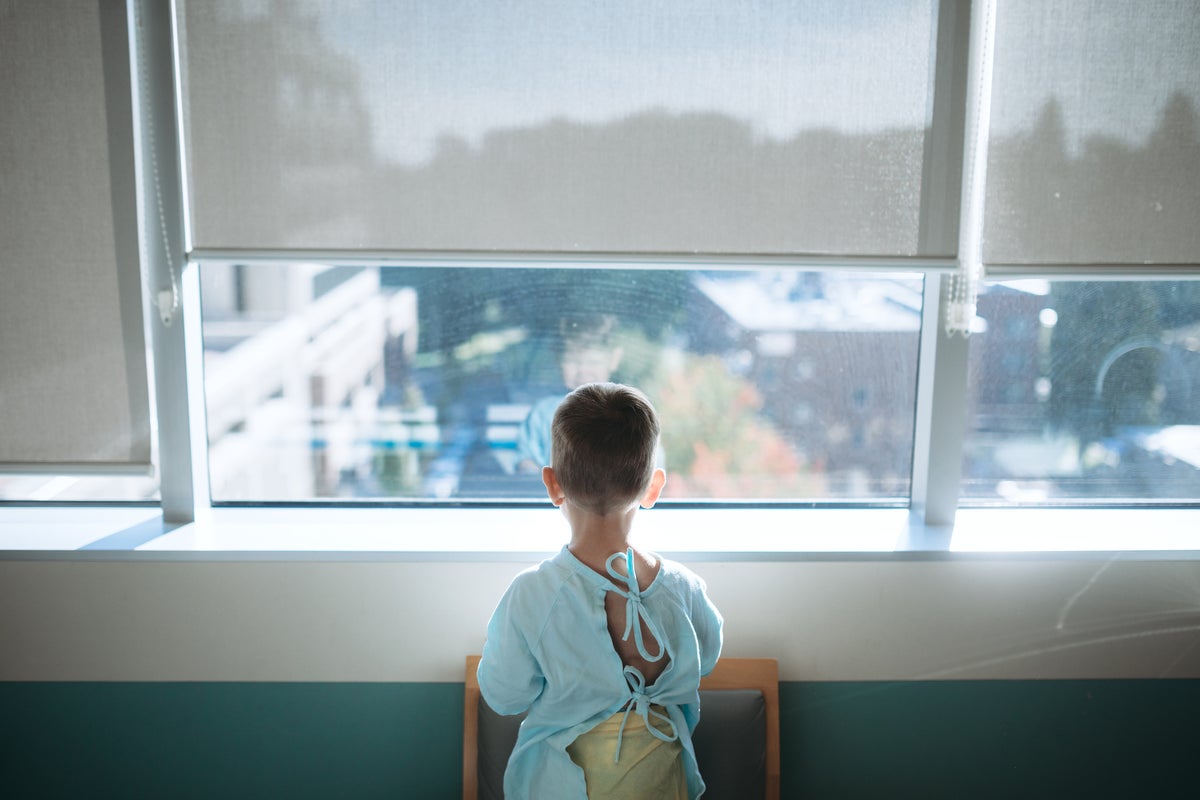
The UK risks raising its unhealthiest generation in decades if the government fails to take immediate action, a damning report has found
Experts have warned that the outlook for British children is “worrying”, following analysis of infant and child mortality, oral health, obesity, mental health, vaping and smoking, asthma, substance misuse, injuries, and reduced vaccinations
The findings come from the Royal College of Paediatrics and Child Health (RCPCH), which said that outcomes for children in England across 12 indicators have either worsened or stalled nearly ten years on from its first review
Children from ethnic minorities and the most deprived areas are facing the greatest impact, it added
Helen Stewart, the RCPCH officer for health improvement, said: “In early 2024, the UK government promised to create the healthiest and happiest generation of children ever in Britain. It is a noble goal that governments of all colours across our nations should hold as a priority
“This report is a stark reminder to policymakers that, to achieve that goal, there is a huge amount of work to do. Since the last iteration of State of Child Health (published in 2020), very little has improved and, on some indicators, the situation has deteriorated.”
Across the 12 indicators that the report looked at, child health outcomes had either declined or stagnated, with only a few pockets of improvement
Infant mortality levels in England remain high, with children in the most deprived areas more than twice as likely to die compared to those in the least deprived areas
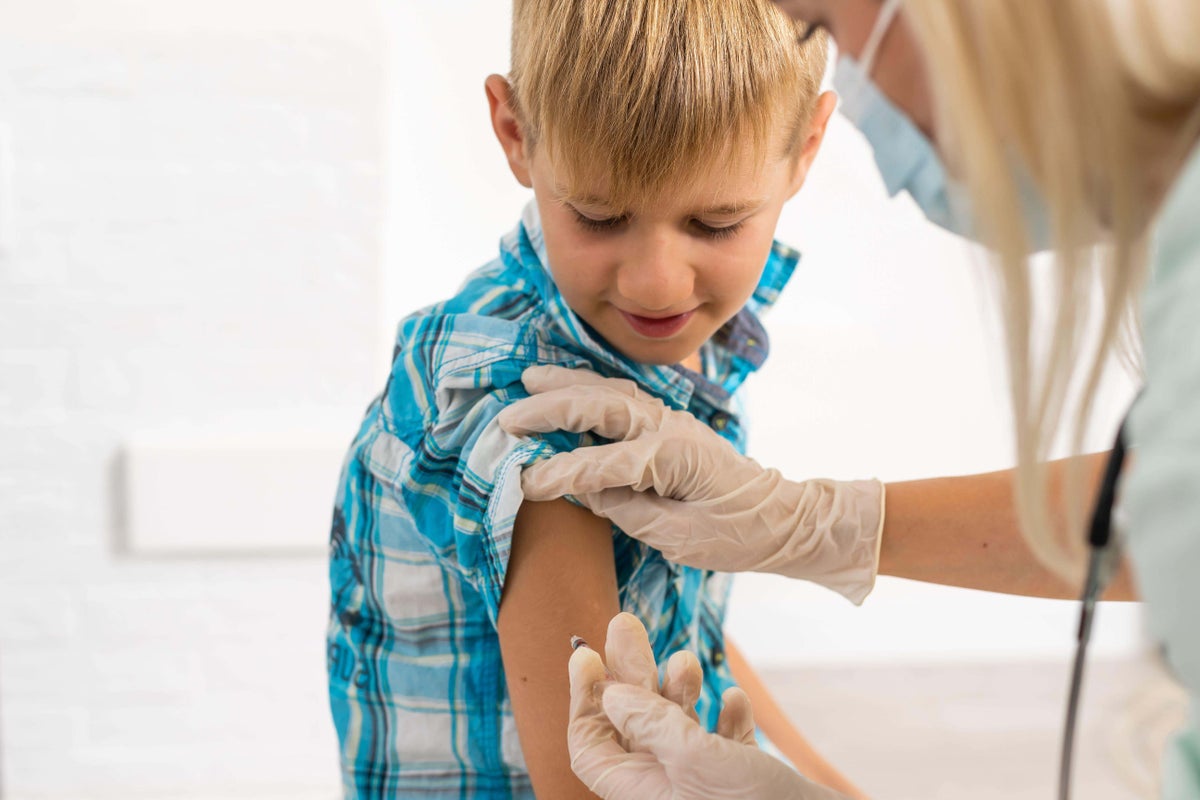
Vaccination coverage has also plummeted below recommended levels, with most vaccines failing to meet the 95 per cent uptake target
Tooth decay remains highly prevalent in England and impacted 22 per cent of five-year-olds in 2024. Tooth extractions among children aged 0 to 19 cost the NHS an estimated £74.8 million that same year
After years of declining emergency admissions for asthma, progress has reversed and risen to 147.9 per 100,000 children in 2023/24. Children from deprived backgrounds in the UK are four times more likely to die from asthma than their wealthier peers
The report also looked at England’s abnormally high rates of obesity. Some 23.5 per cent of British children between four to five are overweight, rising to 36.2 per cent by the age of 10
The RCPCH said the government won’t live up to its promises without “significant change”
It said it must commit to “explicit and meaningful” national targets to improve children’s health and reduce inequalities, saying existing targets were limiting change by being fragmented and inconsistent
Experts have also urged for a children’s health investment standard to be introduced to address inequity in spending between child and adult health services, alongside a funded, long-term child health workforce strategy
The report said the government must also strengthen its quality and collection of child health data, as it currently lacks a clear, single measure of national progress
Professor Steve Turner, the RCPCH president, said: “Collectively, we must do better, and we must do it sooner. Improving child health requires sustained focus, long-term investment, and a commitment to tackling the root causes of inequality.”
A government spokesperson said: “Following a decade of neglect, too many children – particularly those growing up in the most deprived communities – continue to experience poorer health outcomes than they should. That’s why this government is taking decisive action to lift children out of poverty, tackle health inequalities and raise the healthiest generation of children ever
“As well as ending the two-child limit, we’re expanding mental health support in schools and colleges, opening family hubs and local health centres and protecting children through tougher rules on smoking, vapes, and junk food ads
“We’re also giving primary pupils a healthier start to the day with free breakfast clubs and providing free school meals to every single child from a household in receipt of Universal Credit.”
