


Animal experts warn cat owners about deadly tick-borne disease found in Kansas City
IN THAT CASE, YOU SHOULD CALL 911. IT’S ALSO IMPORTANT TO KEEP YOUR FAMILY SAFE, INCLUDING YOUR PETS. KMBC9 BRITTANY FOSTER BREAKS DOWN THE WAYS TO KEEP YOUR FURRY BEST FRIENDS COOL. SUMMER HEAT HAS OFFICIALLY ARRIVED IN KANSAS CITY, AND THAT MEANS IT’S TIME TO REVIEW HEAT SAFETY FOR YOURSELF, BUT ALSO FOR YOUR PETS. YOU PROBABLY ALREADY KNOW THE SIGNS OF HEAT EXHAUSTION FOR HUMANS. HEAVY SWEATING, FATIGUE, HEADACHE, AND SO ON. BUT DO YOU KNOW THE SIGNS FOR YOUR PETS? IF NOT, LET ME HELP YOU OUT. THE MOST COMMON SIGNS OF HEAT EXHAUSTION IN PETS ARE EXCESSIVE. PANTING, DROOLING, VOMITING, LETHARGY, DIARRHEA, AND PALE OR RED GUMS. IF YOUR PET IS SHOWING ANY OF THESE SIGNS, YOU NEED TO TAKE ACTION IMMEDIATELY BY COOLING THEM DOWN. BUT DON’T USE COLD WATER BECAUSE THAT CAN ACTUALLY COOL THEM DOWN TOO QUICKLY. SO YOU REALLY JUST WANT TO USE COOL WATER OR JUST A ROOM TEMP TO GET ON THEIR PAW PADS, THEIR ARMPITS, ANYWHERE THERE’S BLOOD VESSELS THAT ARE CLOSER TO THE SKIN, THEIR STOMACH. PUT THAT COOL DAMP RAG ON THOSE AREAS AND GET TO YOUR VET AS QUICKLY AS POSSIBLE. OF COURSE, THIS CAN ALL BE AVOIDED. WALK YOUR DOG IN THE MORNING OR LATE IN THE EVENING TO AVOID PEAK HEATING. THIS WILL ALSO KEEP THEIR PAWS SAFE FROM THE SIDEWALKS THAT CAN EASILY REACH OVER 100 DEGREES WHEN TEMPERATURES ARE ABOVE 80 DEGREES OUTSIDE. ALWAYS DOUBLE CHECK THE TEMPERATURE OF THE SIDEWALK, TOO. IF YOU CAN’T HOLD YOUR HAND PALM UP ON THE SIDEWALK FOR FIVE SECONDS, THEN IT’S TOO HOT FOR YOUR DOG. IT’S ALSO IMPORTANT TO KEEP THEIR BATHROOM BREAKS AS SHORT AS POSSIBLE. NEVER LEAVE THEM ALONE IN VEHICLES AND MAKE SURE THEY HAVE CONSTANT ACCESS TO SHADE AND WATER. BUT REMEMBER, THE BEST WAY TO KEEP YOUR PET SAFE IS TO JUST KEEP THEM INSIDE AS MUCH AS POSSIBLE DURING THIS HEAT WAVE. BRITTANY FOSTER KMBC NINE NEWS. WE’RE HELPING YOU AND YOUR FURRY FRIENDS ESCAPE THE HEAT. WE HAVE A FULL LIST OF COOLING CENTERS, SPL
Updated: 11:36 AM CDT Jul 14, 2026
Editorial Standards ⓘ
Animal experts warn cat owners about deadly tick-borne disease found in Kansas City
Updated: 11:36 AM CDT Jul 14, 2026
Editorial Standards ⓘ
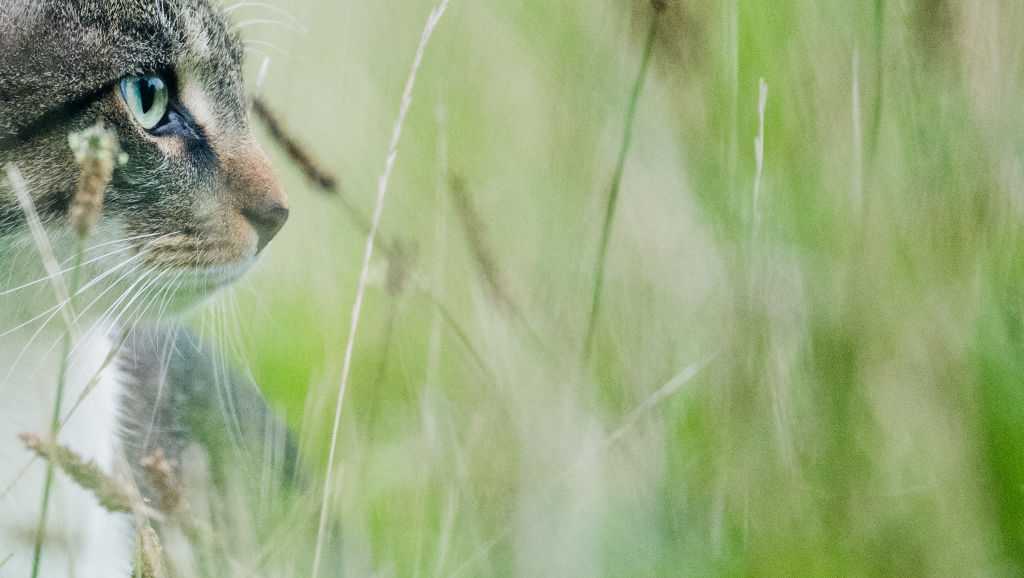
Cats with outdoor access are at risk of a deadly tick-borne illness, and it’s been found in the Kansas City area. The Pet Resource Center of Kansas City is warning cat owners about bobcat fever, formally known as cytauxzoonosis, a fast-moving disease that can kill cats. Video above: Kansas City heat safety: Here’s how to protect your pets during summer temperatures It’s caused by a parasite, Cytauxzoon felis, which spreads through the bite of an infected tick. Bobcats are the usual host, but domestic cats can become infected. Any cat that goes outdoors is at risk of catching the disease. One local cat, Niko, was diagnosed with bobcat fever and taken to a local Urgent Care, but even with “aggressive medical treatment” and dedicated efforts, Niko died as a result of the disease. Niko was the first patient with bobcat fever that the Pet Resource Center has treated this year, but emergency veterinary hospitals have reported additional cases. “Bobcat fever is a disease we see in cats that progresses rapidly,” said Dr. Goldston, a veterinarian with the Pet Resource Center. “Many cats may appear only mildly ill at first, but within a matter of days they can become critically ill. Prompt veterinary attention is critical, but even with aggressive treatment, the disease carries a high mortality rate.” The disease progresses so rapidly that delaying treatment by even a day can “significantly reduce a cat’s chances of survival.” What are the symptoms? Seek immediate vet care if your cat develops any of the following symptoms, per the PRC:High fever Loss of appetite Extreme lethargy Difficulty breathing Pale or yellow gums Swollen lymph nodes Dehydration How can I protect my cat? Keep cats indoors Use vet-recommended tick prevention Check cats for ticks after any outdoor exposure Mow grass, remove brush and reduce areas where ticks can thrive “Niko’s passing serves as a heartbreaking reminder of the importance of prevention and early recognition,” the Pet Resource Center said in a news release. “While not every case can be prevented, consistent tick prevention remains the most effective defense against this life-threatening disease.” You can find information about tick prevention on the Pet Resource Center’s website here.
KANSAS CITY, Mo. —
Cats with outdoor access are at risk of a deadly tick-borne illness, and it’s been found in the Kansas City area
The Pet Reer, formally known as cytauxzoonosis, a fast-moving disease that can kill cats
Video above: Kansas City heat safety: Here’s how to protect your pets during summer temperatures
It’s caused by a parasite, Cytauxzoon felis, which spreads through the bite of an infected tick. Bobcats are the usual host, but domestic cats can become infected. Any cat that goes outdoors is at risk of catching the disease
One local cat, Niko, was diagnosed with bobcat fever and taken to a local Urgent Care, but even with “aggressive medical treatment” and dedicated efforts, Niko died as a result of the disease
Pet Resource Center of Kansas City
Niko was the first patient with bobcat fever that the Pet Retals have reported additional cases
“Bobcat fever is a disease we see in cats that progresses rapidly,” said Dr. Goldston, a veterinarian with the Pet Rewithin a matter of days they can become critically ill. Prompt veterinary attention is critical, but even with aggressive treatment, the disease carries a high mortality rate.”
The disease progresses so rapidly that delaying treatment by even a day can “significantly reduce a cat’s chances of survival.”
What are the symptoms?
Seek immediate vet care if your cat develops any of the following symptoms, per the PRC:
- High fever
- Loss of appetite
- Extreme lethargy
- Difficulty breathing
- Pale or yellow gums
- Swollen lymph nodes
- Dehydration
How can I protect my cat?
- Keep cats indoors
- Use vet-recommended tick prevention
- Check cats for ticks after any outdoor exposure
- Mow grass, remove brush and reduce areas where ticks can thrive
“Niko’s passing serves as a heartbreaking reminder of the importance of prevention and early recognition,” the Pet Reprevented, consistent tick prevention remains the most effective defense against this life-threatening disease.”
You can find information about tick prevention on the Pet Re
Weather Information
‘
+ ‘
‘;
var gptLayer = window.gptLayer;
if (gptLayer && typeof gptLayer.insertAds === ‘function’) {
var slotsBefore = gptLayer.adSlots ? gptLayer.adSlots.length : 0;
gptLayer.insertAds();
if ((gptLayer.adSlots ? gptLayer.adSlots.length : 0) > slotsBefore) {
if (typeof gptLayer.callAdSlots === ‘function’) {
gptLayer.callAdSlots(‘imm’);
}
}
}
}
}
function closeRadarOverlay(containerId) {
var overlay = document.getElementById(containerId + ‘-radar-overlay’);
if (!overlay) return;
overlay.classList.remove(‘is-open’);
overlay.setAttribute(‘aria-hidden’, ‘true’);
document.body.classList.remove(‘weather-radar-overlay-active’);
var adSlot = overlay.querySelector(‘.weather-radar-overlay__ad-slot’);
if (adSlot) {
adSlot.innerHTML = ”;
}
}
function trackRadarOverlayInteraction(containerId) {
var now = Date.now();
var key = ‘radar_overlay_last_interaction_’ + containerId;
if (!window[key] || now – window[key] > 10000) {
window[key] = now;
dispatchWeatherGA4Event(‘radar_overlayinteraction’, ‘interaction’, containerId);
}
}
function isMobileOrTabletViewport(breakpoint = 980) {
const w = window.innerWidth || document.documentElement.clientWidth || 0;
return w < breakpoint;
}
function removeUnusedWeatherModule() {
const desktopClass = ‘sidelist-weather’;
const mobileClass = ‘mobile-weather’;
if (isMobileOrTabletViewport()) {
console.log(‘[WEATHER-BOX] Mobile/tablet viewport detected, removing desktop weather module if it exists’);
const desktopModule = document.querySelector(‘.’ + desktopClass);
if (desktopModule) {
console.log(‘[WEATHER-BOX] Removing desktop weather module’);
desktopModule.remove();
}
} else {
console.log(‘[WEATHER-BOX] Desktop viewport detected, removing mobile weather module if it exists’);
const mobileModule = document.querySelector(‘.’ + mobileClass);
if (mobileModule) {
console.log(‘[WEATHER-BOX] Removing mobile weather module’);
mobileModule.remove();
}
}
}
document.addEventListener(‘DOMContentLoaded’, function() {
removeUnusedWeatherModule();
function generateForecastItem(data) {
var ariaLabel = data.timeLabel + ‘, ‘ + data.primaryTemp + ‘ degrees, ‘ +
data.secondaryInfo + ‘ percent chance of precipitation’;
return `
`;
}
function refreshWeatherIframe(containerId) {
var iframeId = ‘weather-iframe-‘ + containerId;
var iframe = document.getElementById(iframeId);
if (iframe && iframe.src) {
var originalSrc = iframe.src;
iframe.src = originalSrc + (originalSrc.indexOf(‘?’) > -1 ? ‘&’ : ‘?’) + ‘t=’ + Date.now();
}
}
function initializeWeatherBox(container) {
var containerId = container.getAttribute(‘data-container-id’);
var isWeatherBoxV2 = containerId === ‘home-weather-v2’;
function switchWeatherTab(tabName, clickedElement) {
container.querySelectorAll(‘[data-tab-id]’).forEach(function(tab) {
tab.classList.remove(‘open’);
tab.setAttribute(‘aria-selected’, ‘false’);
});
clickedElement.classList.add(‘open’);
clickedElement.setAttribute(‘aria-selected’, ‘true’);
container.querySelectorAll(‘[data-content-id]’).forEach(function(content) {
content.style.display = ‘none’;
content.setAttribute(‘hidden’, ‘true’);
});
var targetContent = container.querySelector(‘[data-content-id=”‘ + tabName + ‘”]’);
if (targetContent) {
targetContent.style.display = ‘block’;
targetContent.removeAttribute(‘hidden’);
}
}
function loadWeatherData() {
// If weather data is already being loaded, wait for it
if (window.weatherDataPromise) {
window.weatherDataPromise.then(function(data) {
if (data && data.data) {
var weatherContainer = container.closest(‘.weather-box-container’);
if (weatherContainer) {
weatherContainer.style.display = ‘flex’;
updateCurrentWeather(data.data);
updateForecastTabs(data.data);
updateWeatherAlertsBar(data.data);
}
}
});
return;
}
var location = { zip: window.DEFAULT_ZIPCODE };
try {
var storedLocations = localStorage.getItem(‘hrst.zip.history’);
if (storedLocations) {
var locations = JSON.parse(storedLocations);
if (locations && locations.length > 0) {
location = locations[0];
}
}
} catch (e) {}
var apiUrl = (window.DEWY_HOSTNAME || ”) + ‘/api/v1/weather/full/’ + location.zip;
if (window.fetch) {
window.weatherDataPromise = fetch(apiUrl)
.then(function(response) { return response.json(); })
.then(function(data) {
if (data && data.data) {
var article = container.closest(‘.article–wrapper’);
var weatherContainer = container.closest(‘.weather-box-container’);
if (weatherContainer) {
weatherContainer.style.display = ‘flex’;
updateCurrentWeather(data.data);
updateForecastTabs(data.data);
updateWeatherAlertsBar(data.data);
}
return data;
}
})
.catch(function(error) {
console.error(‘Error loading weather:’, error);
// Reset to unknown background on error
updateWeatherBackground(‘unknown’);
});
}
}
function updateWeatherAlertsBar(weatherData) {
var weatherWatchHeader = container.querySelector(‘.weather-watch-header’);
if (!weatherWatchHeader) return;
var weatherWatchText = weatherWatchHeader.querySelector(‘.weather-watch-text’);
var weatherWatchLink = weatherWatchHeader.querySelector(‘.weather-watch-link’);
if (weatherData.alerts_count > 0) {
weatherWatchHeader.className = ‘weather-watch-header has-alerts’;
if (weatherWatchText) {
weatherWatchText.textContent = `Weather Alerts (${weatherData.alerts_count})`;
}
if (weatherWatchLink) {
if (!weatherWatchLink.getAttribute(‘data-initial-href’)) {
weatherWatchLink.setAttribute(‘data-initial-href’, weatherWatchLink.getAttribute(‘href’));
weatherWatchLink.setAttribute(‘data-initial-onclick’, weatherWatchLink.getAttribute(‘onclick’) || ”);
}
weatherWatchLink.setAttribute(‘href’, ‘/alerts’);
weatherWatchLink.setAttribute(‘onclick’, “return handleWeatherLinkClick(event, ‘click_alerts’, ‘click’, ‘mobile-weather’, ‘/alerts’);”);
}
} else {
weatherWatchHeader.className = ‘weather-watch-header’;
if (weatherWatchText) {
weatherWatchText.textContent = containerId === ‘home-weather-v2’ ? ‘Watch Latest Forecast’ : ‘Latest Forecast’;
}
if (weatherWatchLink) {
var initialHref = weatherWatchLink.getAttribute(‘data-initial-href’);
var initialOnclick = weatherWatchLink.getAttribute(‘data-initial-onclick’);
if (initialHref) {
weatherWatchLink.setAttribute(‘href’, initialHref);
}
if (initialOnclick) {
weatherWatchLink.setAttribute(‘onclick’, initialOnclick);
}
}
}
}
function updateCurrentWeather(weatherData) {
if (weatherData.current) {
var tempValue = weatherData.current.temp_f || ”;
var skyValue = weatherData.current.sky || ”;
var feelsLikeValue = weatherData.current.feels_like_f || weatherData.current.temp_f || ”;
var tempEl = container.querySelector(‘.weather-grid–current-temp-value’);
if (tempEl) {
tempEl.textContent = tempValue;
tempEl.setAttribute(‘aria-label’, tempValue + ‘ degrees Fahrenheit’);
}
var iconEl = container.querySelector(‘.weather-grid–current-icon’);
if (iconEl && weatherData.current.icon_name) {
iconEl.className = ‘weather-grid–current-icon weather-current-icon icon icon-weather-‘ + weatherData.current.icon_name;
}
var skyEl = container.querySelector(‘.weather-grid–sky’);
if (skyEl) {
skyEl.textContent = skyValue;
skyEl.setAttribute(‘aria-label’, ‘Current condition: ‘ + skyValue);
}
var feelsEl = container.querySelector(‘.weather-grid–feels’);
if (feelsEl) {
feelsEl.textContent = feelsLikeValue + ‘°F’;
feelsEl.setAttribute(‘aria-label’, feelsLikeValue + ‘ degrees Fahrenheit’);
}
var weatherContainer = container.querySelector(‘.weather-temp-container’);
if (weatherContainer) {
var summary = ‘Current temperature ‘ + tempValue + ‘ degrees Fahrenheit, ‘ +
skyValue + ‘, feels like ‘ + feelsLikeValue + ‘ degrees’;
weatherContainer.setAttribute(‘aria-label’, summary);
}
updateWeatherBackground(weatherData.current.icon_name);
}
}
function updateWeatherBackground(iconName) {
try {
var bgPath = weatherImages.backgrounds[iconName] || weatherImages.backgrounds.unknown;
container.style.backgroundImage = ‘url(‘ + bgPath + ‘)’;
} catch (e) {
console.log(‘Error updating weather background:’, e);
}
}
function updateForecastTabs(weatherData) {
var visibleItems = isWeatherBoxV2 ? 6 : 5;
if (weatherData.hourly) {
var hourlyContainer = container.querySelector(‘.weather-hourly-forecast’);
if (hourlyContainer) {
var html = ”;
var maxHours = Math.min(visibleItems, weatherData.hourly.length);
for (var i = 0; i < maxHours; i++) {
var hour = weatherData.hourly[i];
html += generateForecastItem({
timeLabel: hour.hour_display,
iconName: hour.icon_name,
primaryTemp: hour.temp_f,
secondaryInfo: hour.precip_chance + ‘%’
});
}
hourlyContainer.innerHTML = html;
}
}
if (weatherData.daily) {
var dailyContainer = container.querySelector(‘.weather-daily-forecast’);
if (dailyContainer) {
var html = ”;
var maxDays = Math.min(visibleItems, weatherData.daily.length);
for (var i = 0; i < maxDays; i++) {
var day = weatherData.daily[i];
var dayName = getShortDayName(day.day);
html += generateForecastItem({
timeLabel: dayName,
iconName: day.icon_name,
primaryTemp: day.high_f,
secondaryInfo: day.precip_chance + ‘%’
});
}
dailyContainer.innerHTML = html;
}
}
}
function getShortDayName(dayName) {
switch (dayName) {
case ‘Today’:
return ‘Today’;
case ‘Tomorrow’:
return ‘Tmrw’;
case ‘Sunday’:
return ‘Sun’;
case ‘Monday’:
return ‘Mon’;
case ‘Tuesday’:
return ‘Tue’;
case ‘Wednesday’:
return ‘Wed’;
case ‘Thursday’:
return ‘Thu’;
case ‘Friday’:
return ‘Fri’;
case ‘Saturday’:
return ‘Sat’;
default:
return dayName;
}
}
container.querySelectorAll(‘[data-tab-id]’).forEach(function(tab) {
var isActive = tab.classList.contains(‘open’);
tab.setAttribute(‘tabindex’, ‘0’); // Both tabs focusable for VoiceOver
tab.setAttribute(‘role’, ‘tab’);
tab.setAttribute(‘aria-selected’, isActive);
tab.addEventListener(‘keydown’, function(e) {
var tabs = Array.from(container.querySelectorAll(‘[data-tab-id]’));
var currentIndex = tabs.indexOf(this);
switch(e.key) {
case ‘ArrowLeft’:
e.preventDefault();
var prevIndex = currentIndex > 0 ? currentIndex – 1 : tabs.length – 1;
tabs[prevIndex].focus();
break;
case ‘ArrowRight’:
e.preventDefault();
var nextIndex = currentIndex < tabs.length – 1 ? currentIndex + 1 : 0;
tabs[nextIndex].focus();
break;
case ‘Enter’:
case ‘ ‘:
e.preventDefault();
var tabId = this.getAttribute(‘data-tab-id’);
switchWeatherTab(tabId, this);
if (tabId === ‘hourly’) {
dispatchWeatherGA4Event(‘click_hourly’, ‘click’, containerId);
} else if (tabId === ‘daily’) {
dispatchWeatherGA4Event(‘click_daily’, ‘click’, containerId);
}
break;
}
});
tab.onclick = function() {
var tabId = this.getAttribute(‘data-tab-id’);
switchWeatherTab(tabId, this);
if (tabId === ‘hourly’) {
dispatchWeatherGA4Event(‘click_hourly’, ‘click’, containerId);
} else if (tabId === ‘daily’) {
dispatchWeatherGA4Event(‘click_daily’, ‘click’, containerId);
}
return false;
};
});
loadWeatherData();
window.addEventListener(‘pageshow’, function(event) {
if (event.persisted) {
// Fix for weather radar iframe appearing gray after browser back/forward navigation
// When user navigates back, the page loads from browser cache but the iframe
// content doesn’t restore properly, showing a gray screen instead of the radar map
// This forces a fresh reload of the iframe by adding a timestamp parameter
setTimeout(function() {
refreshWeatherIframe(containerId);
}, 300);
}
});
}
document.querySelectorAll(‘.weather-sidebar’).forEach(function(weatherBox) {
initializeWeatherBox(weatherBox);
});
});


Make KMBC a preferred source on Google
