



In a new update Monday, the Michigan Department of Health and Human Services reported that while its investigation into the more than 2,600 cases identified so far continues, “current results point to lettuce or salad greens” as a potential source.
Public health officials are investigating a cluster of cyclosporiasis cases in four Midwest states as part of a major outbreak spreading across the U.S. that has left them “concerned.”
According to the Centers for Disease Control and Prevention, cases in Ohio, Michigan, Kentucky and West Virginia are being investigated together as part of a multi-state cluster
Stream NBC 5 for free, 24/7, wherever you are
WATCH HERE
“Public health officials are interviewing people linked to this outbreak to find out what foods they ate before getting sick,” the CDC said in an alert Tuesday. “A specific food item has not yet been confirmed as thean to solve this outbreak.”
As of July 13, more than 400 people infected with cyclospora have been reported to CDC from those locations, with additional cases under investigation
Those were sicked all reported experiencing symptoms on or after June 22
“The true number of sick people in this multistate outbreak is likely higher than the number reported, and the outbreak may not be limited to the states with known illnesses,” the CDC noted. “This is because some people recover without medical care and are not tested for Cyclospora. In addition, recent illnesses may not yet be reported as it can take several weeks to determine if a sick person is part of an outbreak.”
The link between the states remains unclear, but officials said the “investigation is showing a likely common
Local

Round Lake Beach52 minutes ago
Woman charged in 2001 death of newborn baby in Round Lake Beach

CTA1 hour ago
CTA Yellow Line service resumes after train hits vehicle in Skokie
Michigan remains the highest by far, with cases continuing to rapidly rise, reaching over 3,300 Tuesday morning, up from 2,640 in a single day, according to the state’s Health and Human Services department
Meanwhile, Kentucky officials confirmed a larger-than-typically increase in cases, reaching 100 reports, but only 55 confirmed so far. That’s compared to the average of 35 cases reported each year in the state
Gwen Biggerstaff, deputy director of the CDC’s Division of Foodborne, Waterborne, and Environmental Diseases, noted, however, that “there are a lot of cases that are not accounted for as part of that multistate outbreak and there are a number of investigations that are going on.”
“This is much, much higher than what we’ve seen last year or the year before,” she said. “This is a pretty big shift from what we’ve seen in previous seasons.”
As of Monday, health officials in Michigan said “current results point to lettuce or salad greens” as a potentials noted that “other food items cannot be completely ruled out” and “no specific type of produce, grower or supplier has been identified as the
“Although we do not have a definite product identified as theve learned so far so they can take steps to protect their families,” Dr. Natasha Bagdasarian, chief medical executive for MDHSS, said in a statement. “Early information has shown lettuce as a common product that regularly comes up during the investigation. We will continue to provide updates as we learn more.”
Across the U.S., the CDC said 1,645 cases were confirmed to have been acquired domestically since May, 1 with at least 141 hospitalized as of July 13. Those sickened ranged in ages from 2 to 95 years old, data showed, with cases confirmed in at least 34 states
Another Midwest state, Illinois, has reported several new infections in recent days as health officials investigate a potential
According to numbers released by the Illinois Department of Public Health Tuesday, the state has recorded at least 216 cases of the parasitic infection so far. Of those, 18 were hospitalized, health officials said
Chicago made up as many as 50 of the reported cases, though three remain under investigation
“At this time, no singlestill no evidence of a large outbreak accounting for all or most of these Chicago cases,” the Chicago Department of Public Health said in a statement
The numbers are some of the highest of the 34 states currently reporting cases, according to the CDC
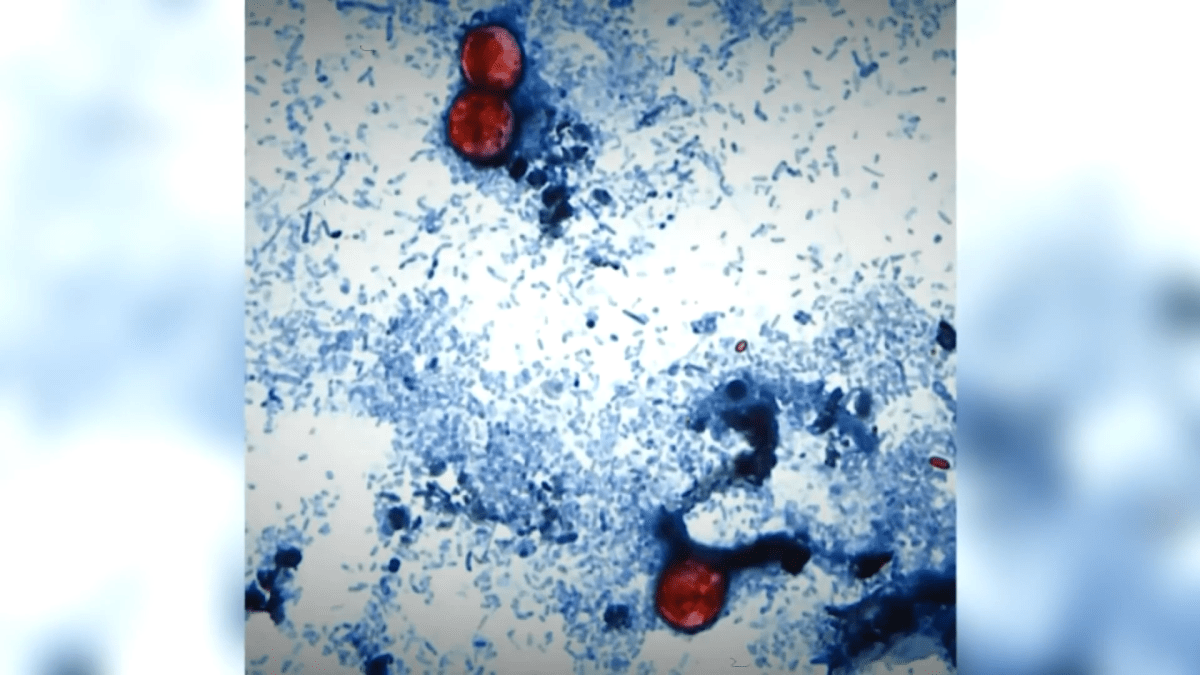
Known for causing watery diarrhea, nausea and stomach pains, cyclosporiasis is an infection caused by a parasite often linked to contaminated food and water
Anyone experiencing frequent, watery diarrhea is being urged to contact their healthcare provider and “specifically request testing for cyclospora as routine stool tests may miss the parasite,” health officials said
Treatment for confirmed infections will include antibiotics, but those who contract it should also be prepared to rest and drink fluids to maintain hydration
How to protect yourself
While lettuces are being investigated as a potentialeaks, officials urged anyone eating or preparing lettuce or salad greens in areas where cases have been reported to take added precautions
- Purchase whole heads:Buy whole heads of lettuce rather than pre-washed, bagged lettuce or pre-mixed salad kits.
- Discard outer layers:Before preparation, throw away the outer two to three layers of leaves.
- Wash inner leaves:Thoroughly wash the remaining inner leaves under clean running water.
- Prioritize cooking:For any greens that can be cooked, cooking to a temperature of at least 158 F (70 C) is the safest option, as the parasite is resistant to routine chemical disinfection and washing alone cannot guarantee its removal.
Other recommendations include:
- Cook produce when possible: Heating food to 158 F (70 C) or higher kills cyclospora.
- Peel produce: Peeling is highly effective for food items with removable skin as the parasite sits on the outer surface.
- Wash all fresh produce: Wash under clean running water, even if you plan to peel it. “Pre-washed” does not guarantee safety and rewashing bagged lettuce is unlikely to remove cyclospora. While washing alone may not fully eliminate cyclospora, it enhances protection when combined with cooking or peeling.
Symptoms to know
While the most common and notable symptom of the infection is known as “explosive diarrhea,” there are numerous other signs of infection
“[The diarrhea] can be really frequent, pretty severe. People talk about explosive diarrhea,” said Dr. Kiran Joshi with the Cook County Department of Public Health. “You can get all kinds of other abdominal symptoms as well, including loss of appetite, nausea, vomiting, sometimes a low grade fever. Now, those symptoms can certainly cause quite a bit of distress. The good news is that this is typically not a life-threatening illness, though if untreated, it can last for a month or longer, so it’s really important.”
Common symptoms
- Watery diarrhea
- Loss of appetite
- Weight loss
- Cramping
- Bloating
- Increased gas
- Nausea
- Fatigue
Less common symptoms
- Vomiting
- Body aches
- Headache
- Low-grade fever
- Other flu-like symptoms
One of the larger indications of cyclosporiasis is likely the timing of infection and symptoms
While many other foodborne illnesses will show symptoms within hours, cyclosporiasis can take days or even up to two weeks to appear. The most common time frame is around one week, according to the CDC
The infections can also last much longer than other foodborne illnesses
The CDC notes that the illness can last anywhere from a few days to over a month and, in some cases, may even seem to go away but then return one or more times
“The symptoms are a bit less, but they go on longer. Noroviruses kind of hits you hard and then it’s done. This kind of just drags on for a longer period of time,” Dr. Irfan Hafiz, an infectious disease physician at Northwestern Medicine, told NBC Chicago
Here’s a look at how it compares to other illnesses
