


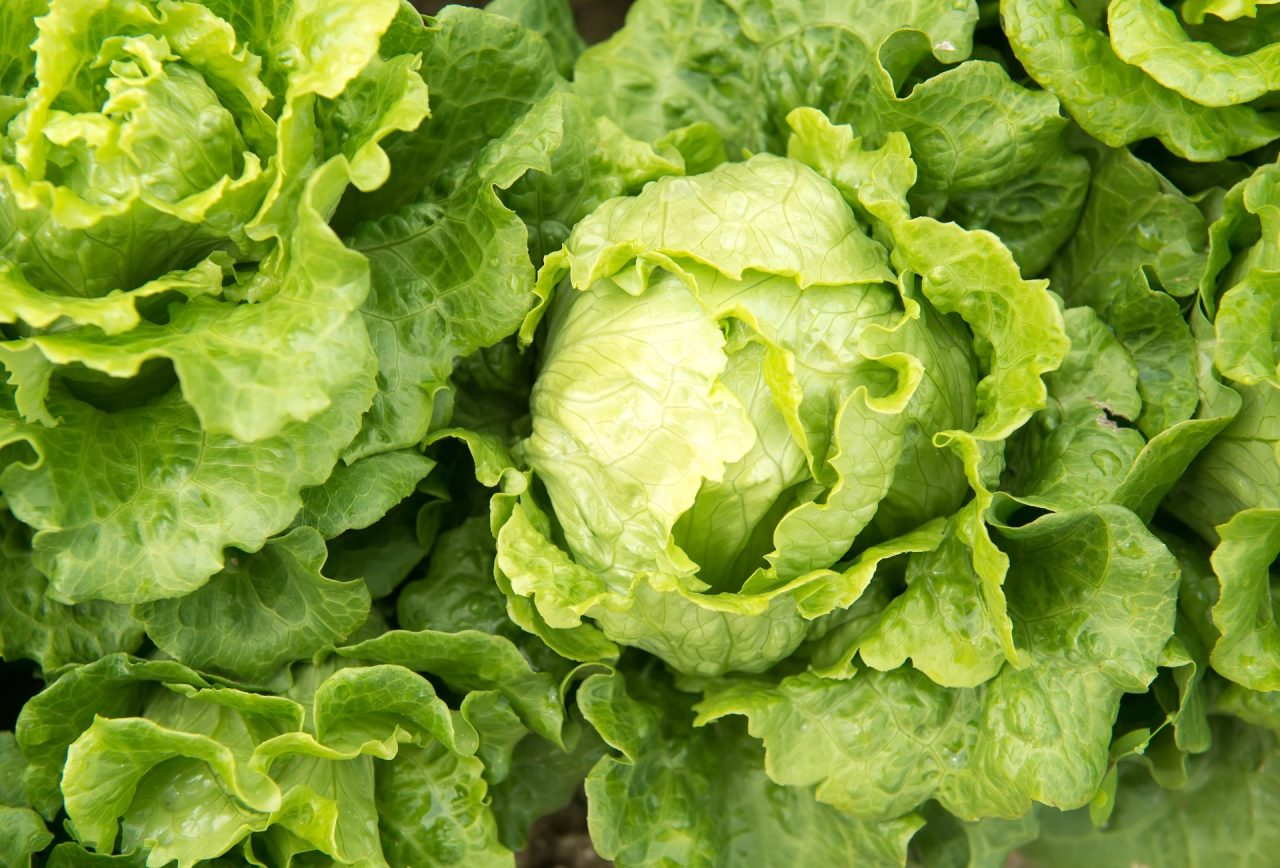
The latest foodborne illness attacking bellies across the nation goes by the name cyclosporiasis (sigh-klo-spor-eye-uh-sis), and its reach is growing by the day
Since the first known case in Michigan on June 22, the parasitic disease has stricken thousands with watery, sometimes explosive, diarrhea and hospitalized more than 100 people. Cases have now been reported in at least 34 states
Compared with the usual gastrointestinal suspects — norovirus, salmonella, campylobacter, shigella and E. coli — cyclosporiasis is a much rarer foodborne disease in the United States
To learn more about the infection and how to best diagnose, treat and avoid it, we reached out to David Relman, MD, professor of medicine and of microbiology and immunology at Stanford Medicine, whose work characterizing the parasitic organism that causes cyclosporiasis helped revolutionize diagnosis of this infection and outbreak tracing
What are the symptoms of cyclosporiasis?
The signature symptom of cyclosporiasis is copious, watery diarrhea. That extreme diarrhea can lead to dangerous dehydration and electrolyte imbalance, posing kidney damage risks and requiring hospitalization, with some patients experiencing as much as 10% weight loss
“Cyclosporiasis is a potentially very serious infection, especially for people who are young, elderly, immune-impaired or sick for other reasons” said Relman, the Thomas C. and Joan M. Merigan Professor. “Even for healthy people, cyclosporiasis can be pretty debilitating.”
David Relman
Other common symptoms of cyclosporiasis include nausea, loss of appetite, cramping, bloating, gas, fatigue and weight loss. While these symptoms are common in many diarrheal diseases, one differentiating factor is that cyclosporiasis does not cause clinically significant inflammation. As a result, cyclosporiasis patients typically do not experience as much pain or bloody diarrhea as patients infected with cytotoxin-secreting, pro-inflammatory organisms like Clostridioides difficile and those causing dysentery.
Overall, with cyclosporiasis, “you experience general discomfort,” Relman said, “and watery diarrhea like all get-out.”
What causes cyclosporiasis?
Nearly all foodborne illness in the U.S. stems from bacterial and viral infections. Cyclosporiasis, however, arises from a single-celled parasite called Cyclospora cayetanensis, which is more closely related to animals than to bacteria and viruses
An individual cyclospora oocyst is spherical or ovoid and 8 to 10 micrometers (millionths of a meter) in diameter, requiring a microscope to see. The interior of cyclospora looks different depending on its life stage
How do you get infected with cyclospora?
Cyclospora enter our bodies when we eat food, usually fresh produce, that is contaminated with the microbe. Among the likeliest foods to harbor cyclospora are leafy greens, fruits such as raspberries, and herbs including basil and cilantro
Because the parasite is not endemic to the United States, outbreaks are usually connected to food imported from other countries — for instance in Central America — where cyclospora is relatively common in the human population. The lifecycle of Cyclospora cayetanensis requires that it enter a human digestive tract to grow and reproduce. The parasite re-enters the environment and contaminates crops through traces of human feces that end up in water supplies for irrigation
When cyclospora exit our bodiesppearing as a refractile sphere called an oocyst with tiny granules inside. In the environment, the cyclospora then mature, or “sporulate,” developing four, sausage-shaped structures called sporozoites in the cyst. The cyclospora oocyst is now infectious

GLP-1s 101: What the science says
- Addiction
What is the incubation period?
The typical time it takes from consumption of sporulated cyclospora oocysts to active disease is about a week, though this so-called incubation period varies from patient to patient and may depend on how many cyclospora oocysts they ingest. “The incubation period is actually highly variable,” Relman said. “People often cite a week, but it can be quicker, especially if you get a huge infectious dose. The common understanding is that the incubation period can vary from two days to two weeks.”
The delay occurs because first, the tough oocyst wall has to break down, presumably as a result of exposure to body temperature, bile salts, and digestive enzymes in the upper intestinal tract. Then the freed sporozoites invade the epithelial cells lining the small intestine. “When the sporozoites do this, they impair the function of those intestinal lining cells, and one of their functions is to absorb water and nutrients,” Relman said; in fact, 90% of the water we absorb is through the small intestine. “If you start messing with that,” Relman added, “then you’re going to have diarrhea.”
The sporozoites replicate and undergo development in intestinal cells to form new, unsporulated cysts that leave the bodyinfection all over again
How do you diagnose cyclosporiasis?
If you live in an area that has reported cases of cyclosporiasis and you show up with watery diarrhea, your doctor is likely to suspect you have it. Definitive diagnosis requires a stool sample test. The conventional ova and parasite test, however, won’t suffice
Instead, quick diagnosis is usually done in hospitals — and increasingly more in outpatient clinical settings — through modern molecular testing, which looks for the DNA or the RNA of infectious agents using a sensitive and rapid method such as polymerase chain reaction. Research by Relman in the early to mid-1990s pioneered the use of PCR for classifying and detecting cyclospora and other infectious agents
“Today if someone rolls into the emergency room with a terrible case of diarrhea and looks sick, what the doctor would do is order a stool sample and send it to the laboratory for a battery of PCR tests for all of the most common diarrheal disease agents,” said Relman, who is also a senior fellow at the Freeman Spogli Institute for International Studies at Stanford University
Most standard, so-called multiplexed tests include cyclospora on the suspect list. And while those tests are not necessarily available at urgent care clinics or typical lab facilities, collected samples are sent to labs where such testing is available
“People should be reassured that most health care facilities are going to have a means of getting a sample to a place that will do this specific PCR test pretty quickly,” Relman said
How do you treatcyclosporiasis?
Thankfully, if properly diagnosed, cyclosporiasis is easily treatable with a seven- to 10-day course of the antibiotic trimethoprim-sulfamethoxazole, which disrupts the microbe’s ability to produce the folic acid needed to replicate itself. Most people start feeling better in a few days
If the patient has a sulfa allergy, other antibiotics such as ciprofloxacin or notaxonide help too, though are less effective. Fluid replacement is also an integral part of successful treatment and recovery
Does washing food get rid of cyclospora?
Washing in cold water for at least a minute absolutely helps. But because cysts can still get stuck in nooks and crannies of fruits and veggies, a safter alternative can be cooking the food in question, as heat kills the parasite. “If you don’t have a strong need to immediately consume suspicious produce in a raw form and have the option of cooking it, why not?” Relman said

Healthy habits for your 60s, 70s & beyond
READ THE STORY HERE

Healthy habits for your 20s & 30s
READ THE STORY HERE
Healthy habits for your 40s & 50s
READ THE STORY HERE
- 8
- 9
- 2
Does buying locally grown produce reduce risk of exposure to cyclospora?
Yes. As mentioned prior, cyclospora usually comes to the U.S. through imported foods. For instance, a 1996 outbreak that coincided with Relman’s genetic work on cyclospora ultimately traced back to raspberries from Guatemala. Iceberg lettuce from Mexico is suspected in the current outbreak
Buying from temperate-climate points of origin, however, is no guarantee, especially when produce is pooled from manyettuce is “often mixed from all over the place and then sorted into prepackaged bags and sold widely … that’s going to increase your chances [of exposure].”
A good alternative is to buy produce at a local farmer’s market. “If you’re able to purchase produce locally from a known vendor who’s not sourcing it from all over the place but rather from one local farm, that’s probably a safer bet,” Relman said
