

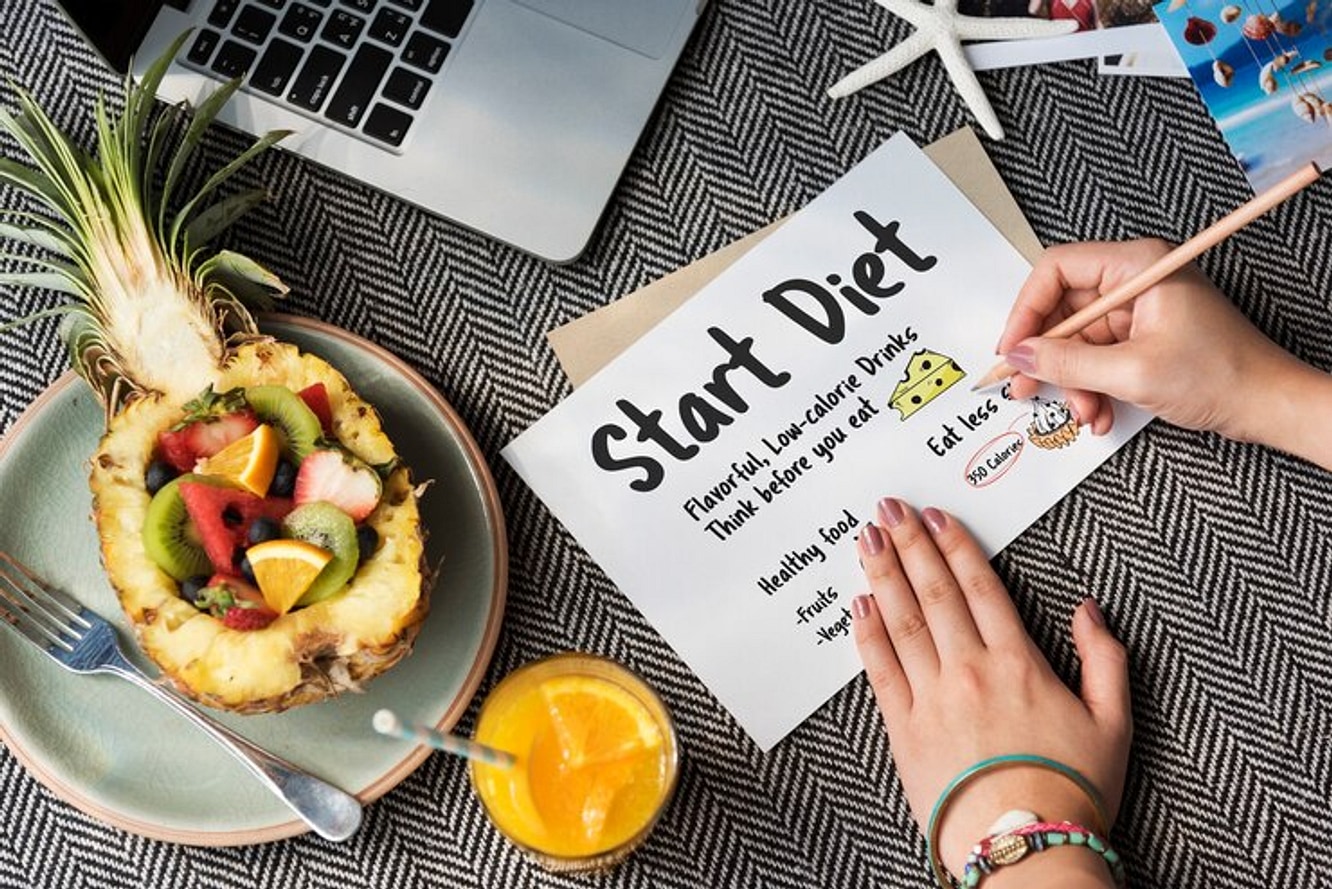
Take note of how many meals you eat out each day. Do you eat a big lunch and graze for hours after work? Are you rushing out the door in the morning, then over stuffing yourself at dinner? Don’t focus on individual meals as much as patterns.
After you’ve identified your normal eating pattern, work with it instead of against it. Creating a framework that works with your lifestyle allows you to make healthy restaurant choices without feeling deprived or rushing all the time. That consistent routine becomes a fallback when business meals, travel, and late nights change up your normal routine.
Trying to control every meal isn’t sustainable, nor is it the point. When you know your triggers, you can strategize around them. Forming good habits means you’ll be better prepared for those trigger days and nothing feels like as setback.
Focus on Portions Instead of perfect Meals
Restaurant food is usually higher in calories than home cooked meals. They tend to use higher fat sauces, and portions are larger. You don’t have to skip restaurant meals entirely, just be aware of portions.
Decide ahead of time how much you want to eat and stop when you’re comfortably full. Will you eat the entire entree or just half? Are bread, appetizers, or drink included? Small changes can help you stay on track.
- Split entrées with a coworker if portions are large
- Ask for sauces on the side
- Stop when you’re comfortably full
- Box half of your meal before you start eating
- Opt for grilled dishes instead of fried
Incorporating habits like these soon becomes second nature. You won’t feel like you are missing out at restaurants when you learn to make healthy choices.
Start With Protein and Veggies
Looking at a menu can be overwhelming. Remember, you don’t have to eat what everyone else is ordering. Instead of picking the fanciest sounding dish on the menu, look for protein and vegetables.
Search for dishes that highlight lean protein, legumes, seafood or chicken that’s grilled. Next look to see if veggies are included or if you can add them for little cost. If you’re still feeling overwhelmed, find the simplest meal that already includes both.
- Order lean protein at every meal
- Load up on vegetables before starches
- Ask for dressings and sauces on the side
- Don’t waste calories on food that doesn’t satisfy you
- Opt for broth-based soups instead of creamy
Ordering doesn’t have to be stressful. The more times you practice this system, the easier it will become. Soon you’ll spend less mental energy deciding what to eat at restaurants.
What to Say to Friends Who Eat Lunch Together
Many people dine out with coworkers or clients. Your efforts to lose weight will feel like a spotlight is on you when eating with others. Coworkers may try to tempt you because they don’t understand your goals. Decide what you’re going to say ahead of time.
You don’t owe anyone a detailed explanation of your diet. Most people won’t ask why you’re eating healthy anyways. You can say something as simple as I’ve been trying to eat lighter for me and it makes me feel better.
- Keep your explanation simple and respectful
- Move the conversation along quickly
- Order your meal first if you feel pressure from others
- Focus on the purpose of your meeting rather than food
- Don’t apologize for eating healthy
The more nonchalant you can appear, the better. You will find it easier to make healthy restaurant choices when you aren’t bogged down by trying to convince others.
Preview the Restaurant Menu Before Your Meal
When you allow yourself to get hungry and thirsty, you’ll make rushed decisions. Stress levels are usually high before a meeting or dinner with clients. Take menu into consideration before your meal if you can.
Do some research ahead of time so you know what dishes will fit your plan. Look for keywords in the cooking methods. Grilled, roasted, steamed, baked, or broiled are all better than cream sauces or fried.
If you don’t know the restaurant or aren’t able to look at the menu ahead of time, focus on meal that include the words above. Preparation will help you feel like you’re in control when everyone else is asking questions about the menu.
Limit Drinking Calories and Restaurant Appetizers
Restaurant calories can creep up on you from beverages and extras. Sugar calories in drinks can add up quickly. You don’t really feel full from drinking calories so it’s easy to lose track.
Beware of alcoholic beverages, sweet coffee drinks, and soda. Restaurant extras are another danger zone. Chips, bread baskets, appetizers, and desserts are often brought to your table without you asking.
You’re not going to cut these foods out completely. However, you should decide if they’re worth eating. Will that bread basket fill you up or make you unbutton your pants?
- Order water as soon as you sit down
- Keep alcoholic beverages to a minimum while out for work
- Avoid sugary beverages unless you really want them
- Remember the bread basket is optional
- Only share dessert on special occasions
Make sure what lands on your plate is what you choose. You’ll make better healthy restaurant choices when you’re not feeling deprived by mindlessly eating extras.
Make Better Choices Most of the Time
Every meal doesn’t need to be nutritious for you to lose weight while dining out. If the majority of your meals are coming from restaurants, small decisions each day will impact your goals more than one perfect meal.
Focus on making healthy choices throughout the week rather than each meal. If you know you’re going to eat a big dinner out, keep breakfast and lunch light. Make sure you move that day if your meals aren’t.
Create healthy defaults you can reuse throughout your week. If you have to eat lunch out every weekday, find a few menu items you can rotate. You’ll spend less time thinking about what to eat if you have go-to meals on hand.
