


Abstract
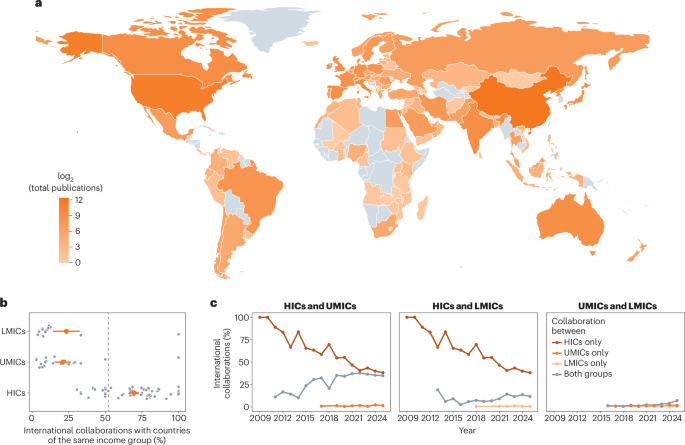
The microbiome–gut–brain axis is shaped by environmental factors, and increasing evidence suggests that the axis sustains brain health. However, most research is conducted in high-income countries (HICs). Although calls to expand this research into low- and middle-income countries (LMICs) are often grounded in solidarity constructs, they overlook an equally crucial aspect: studying the axis in LMICs offers an innovative route to derive concrete mental health benefits globally. Here we provide three arguments to justify why expanding the geographic boundaries of microbiome–gut–brain axis research supports global relevance and warn about the consequences of failing to do so. The overrepresentation of HICs may (1) lead to distortion of our understanding of the role of the microbiome–gut–brain axis in mental health; (2) lead us to miss a unique opportunity to disentangle complex environmental forces through studying ‘natural experiments’ occurring in LMICs, and (3) limit the development of global mental health interventions derived from lifestyles in LMICs. We thus argue that expanding microbiome–gut–brain axis research in LMICs is not just ethically desirable; it is a duty of scientific rigor with potential to yield global mental health benefits.
Access through your institution
Buy or subscribe
This is a preview of subscription content, access
Access options
Access through your institution
- Purchase on SpringerLink
- Instant access to the full article PDF.
39,95 €
Prices may be subject to local taxes which are calculated during checkout
References
Valles-Colomer, M. et al. The neuroactive potential of the human gut microbiota in quality of life and depression. Nat. Microbiol.4, 623–632 (2019)
Baez, S., Alladi, S. & Ibanez, A. Global South research is critical for understanding brain health, ageing and dementia. Clin. Transl. Med.13, e1486 (2023)
Abdill, R. J., Adamowicz, E. M. & Blekhman, R. Public human microbiome data are dominated by highly developed countries. PLoS Biol.20, e3001536 (2022)
Cryan, J. F. et al. The microbiota–gut–brain axis. Physiol. Rev.99, 1877–2013 (2019)
Kern, L., Mastandrea, I., Melekhova, A. & Elinav, E. Mechanisms by which microbiome-derived metabolites exert their impacts on neurodegeneration. Cell Chem. Biol.32, 25–45 (2025)
Nøhr, M. K. et al. GPR41/FFAR3 and GPR43/FFAR2 as cosensors for short-chain fatty acids in enteroendocrine cells vs FFAR3 in enteric neurons and FFAR2 in enteric leukocytes. Endocrinology154, 3552–3564 (2013)
Lal, S., Kirkup, A. J., Brunsden, A. M., Thompson, D. G. & Grundy, D. Vagal afferent responses to fatty acids of different chain length in the rat. Am. J. Physiol. Gastrointest. Liver Physiol.281, G907–G915 (2001)
Erny, D. et al. Host microbiota constantly control maturation and function of microglia in the CNS. Nat. Neurosci.18, 965–977 (2015)
Chang, H. et al. Stress-sensitive neural circuits change the gut microbiome
Leigh, S.-J. et al. The impact of acute and chronic stress on gastrointestinal physiology and function: a microbiota–gut–brain axis perspective. J. Physiol.601, 4491–4538 (2023)
Sah, R. K. et al. Decoding the role of the gut microbiome in gut-brain axis, stress-resilience, or stress-susceptibility: a review. Asian J. Psychiatr.91, 103861 (2024)
Bonham, K. S. et al. Gut-resident microorganisms and their genes are associated with cognition and neuroanatomy in children. Sci. Adv.9, eadi0497 (2023)
Martino, C. et al. Microbiota succession throughout life from the cradle to the grave. Nat. Rev. Microbiol.20, 707–720 (2022)
Borre, Y. E. et al. Microbiota and neurodevelopmental windows: implications for brain disorders. Trends Mol. Med.20, 509–518 (2014)
Aburto, M. R. et al. Microbiome, exposome, and cognitive development: the known unknowns. Annu. Rev. Dev. Psychol.7, 411–438 (2025)
Abdill, R. J. et al. Integration of 168,000 samples reveals global patterns of the human gut microbiome. Cell188, 1100–1118.e17 (2025)
Valderrama, B. et al. The South American MicroBiome Archive (saMBA): enriching the microbiome field by studying neglected populations. Nat. Commun.16, 7371 (2025)
Baez, S. et al. Structural inequality and temporal brain dynamics across diverse samples. Clin. Transl. Med.14, e70032 (2024)
Legaz, A. et al. Structural inequality linked to brain volume and network dynamics in aging and dementia across the Americas. Nat. Aging5, 259–274 (2025)
de Vos, W. M. & Nieuwdorp, M. A gut prediction. Nature498, 48–49 (2013)
McGlinchey, E. et al. Biomarkers of neurodegeneration across the Global South. Lancet Healthy Longev.5, 100616 (2024)
Woelbert, E., Lundell-Smith, K., White, R. & Kemmer, D. Accounting for mental health research funding: developing a quantitative baseline of global investments. Lancet Psychiatry8, 250–258 (2021)
Chen, Y. et al. Environmental determinants and demographic influences on global urban microbiomes, antimicrobial resistance and pathogenicity. npj Biofilms Microbiomes9, 94 (2023)
Naghavi, M. et al. Global burden associated with 85 pathogens in 2019: a systematic analysis for the Global Burden of Disease Study 2019. Lancet Infect. Dis.24, 868–895 (2024)
Vos, T. et al. Global burden of 369 diseases and injuries in 204 countries and territories, 1990–2019: a systematic analysis for the Global Burden of Disease Study 2019. Lancet396, 1204–1222 (2020)
Rook, G. A. W., Raison, C. L. & Lowry, C. A. Microbial ‘old friends’, immunoregulation and socioeconomic status. Clin. Exp. Immunol.177, 1–12 (2014)
Cross, J. H. in Medical Microbiology (ed. Baron, S.) Ch. 90 (Univ. Texas, 1996)
Bethony, J. et al. Soil-transmitted helminth infections: ascariasis, trichuriasis, and hookworm. Lancet367, 1521–1532 (2006)
Fleming, J. O. & Cook, T. D. Multiple sclerosis and the hygiene hypothesis. Neurology67, 2085–2086 (2006)
Correale, J. & Farez, M. Association between parasite infection and immune responses in multiple sclerosis. Ann. Neurol.61, 97–108 (2007)
Correale, J. & Farez, M. F. The impact of parasite infections on the course of multiple sclerosis. J. Neuroimmunol.233, 6–11 (2011)
La Flamme, A. C., Ruddenklau, K. & Bäckström, B. T. Schistosomiasis decreases central nervous system inflammation and alters the progression of experimental autoimmune encephalomyelitis. Infect. Immun.71, 4996–5004 (2003)
Sewell, D. et al. Immunomodulation of experimental autoimmune encephalomyelitis by helminth ova immunization. Int. Immunol.15, 59–69 (2003)
Hamory, J., Miguel, E., Walker, M., Kremer, M. & Baird, S. Twenty-year economic impacts of deworming. Proc. Natl Acad. Sci.118, e2023185118 (2021)
Lampard-Scotford, A. R., McCauley, A., Kuebel, J. A., Ibbott, R. & Mutapi, F. Impact of parasitic infection on mental health and illness in humans in Africa: a systematic review. Parasitology149, 1003–1018 (2022)
Piperni, E. et al. Intestinal blastocystis is linked to healthier diets and more favorable cardiometabolic outcomes in 56,989 individuals from 32 countries. Cell187, 4554–4570.e18 (2024)
Tan, K. S. W. New insights on classification, identification, and clinical relevance of blastocystis spp. Clin. Microbiol. Rev.21, 639–665 (2008)
Mayneris-Perxachs, J. et al. Presence of blastocystis in gut microbiota is associated with cognitive traits and decreased executive function. ISME J.16, 2181–2197 (2022)
Leonardi, S. S. et al. Characterisation of novel functionality within the Blastocystis tryptophanase gene. PLoS Negl. Trop. Dis.15, e0009730 (2021)
Walsh, C. M., Gebert, M. J., Delgado-Baquerizo, M., Maestre, F. T. & Fierer, N. A global survey of mycobacterial diversity in soil. Appl. Environ. Microbiol.85, e01180–19 (2019)
Reber, S. O. et al. Immunization with a heat-killed preparation of the environmental bacterium Mycobacterium vaccae promotes stress resilience in mice. Proc. Natl Acad. Sci. USA113, E3130–E3139 (2016)
Frank, M. G. et al. Immunization with Mycobacterium vaccae induces an anti-inflammatory milieu in the CNS: attenuation of stress-induced microglial priming, alarmins and anxiety-like behavior. Brain. Behav. Immun.73, 352–363 (2018)
Tian, T. et al. Clostridium butyricum miyairi 588 has preventive effects on chronic social defeat stress-induced depressive-like behaviour and modulates microglial activation in mice. Biochem. Biophys. Res. Commun.516, 430–436 (2019)
Liu, S. et al. Clostridium butyricum regulates intestinal barrier functionm spectrum disorder. Cell Biosci.14, 95 (2024)
Bashir, S. K. & Khan, M. B. Overview of Helicobacter pylori infection, prevalence, risk factors, and its prevention. Adv. Gut Microbiome Res.2023, 9747027 (2023)
Li, L. et al. Association of Helicobacter pylori infection with depression and anxiety: a systematic review and meta-analysis. Int. J. Clin. Pract.2024, 9247586 (2024)
Alvim, P. H. P. et al. Toxoplasmosis infection and schizophrenia: elevated IgM reactivity index as a predictor of symptom worsening in chronic schizophrenia. Schizophr. Res.278, 20–25 (2025)
Mayr, E. The Growth of Biological Thought: Diversity, Evolution, and Inheritance (Harvard Univ. Press, 1982)
de Vocht, F. et al. Conceptualising natural and quasi experiments in public health. BMC Med. Res. Methodol.21, 32 (2021)
Leatherdale, S. T. Natural experiment methodology for research: a review of how different methods can support real-world research. Int. J. Soc. Res. Methodol.22, 19–35 (2019)
Moreira, T. C. L. et al. Assessing the impact of urban environment and green infrastructure on mental health: results from the São Paulo Megacity Mental Health Survey. J. Expo. Sci. Environ. Epidemiol.32, 205–212 (2022)
Lund, C. et al. Poverty and common mental disorders in low and middle income countries: a systematic review. Soc. Sci. Med.71, 517–528 (2010)
Plana-Ripoll, O., Lasgaard, M., Mneimneh, Z. N. & McGrath, J. J. The evolution of psychiatric epidemiology: where to next?. Can. J. Psychiatry66, 774–777 (2021)
Joos, R. et al. Examining the healthy human microbiome concept. Nat. Rev. Microbiol.23, 192–205 (2025)
VanEvery, H., Franzosa, E. A., Nguyen, L. H. & Huttenhower, C. Microbiome epidemiology and association studies in human health. Nat. Rev. Genet.24, 109–124 (2023)
van Ham, M., Tammaru, T., Ubareviciene, R. & Janssen, H. (eds) Urban Socio-Economic Segregation and Income Inequality: a Global Perspective (Springer Nature, 2021)
Wei, Y. D. Spatiality of regional inequality. Appl. Geogr.61, 1–10 (2015)
Connor, D. S. et al. Big cities fuel inequality within and across generations. PNAS Nexus4, pgae587 (2025)
Schaan, A. P. et al. The structure of Brazilian Amazonian gut microbiomes in the process of urbanisation. npj Biofilms Microbiomes7, 65 (2021)
Angelakis, E. et al. Treponema species enrich the gut microbiota of traditional rural populations but are absent from urban individuals. New Microbes New Infect.27, 14–21 (2019)
Maghini, D. G. et al. Expanding the human gut microbiome atlas of Africa. Nature638, 718–728 (2025)
Tamburini, F. B. et al. Short- and long-read metagenomics of urban and rural South African gut microbiomes reveal a transitional composition and undescribed taxa. Nat. Commun.13, 926 (2022)
Obregon-Tito, A. J. et al. Subsistence strategies in traditional societies distinguish gut microbiomes. Nat. Commun.6, 6505 (2015)
Gonzalez, H., Koralnik, I. J. & Marra, C. M. Neurosyphilis. Semin. Neurol.39, 448–455 (2019)
Belkhou, C. et al. Treponema peruensesp. nov., a commensal spirochaete isolated from human faeces. Int. J. Syst. Evol. Microbiol.71, 005050 (2021)
Tanes, C. et al. Gut microbiome changes associated with epithelial barrier damage and systemic inflammation during antiretroviral therapy of chronic SIV infection. Viruses13, 1567 (2021)
Paniagua, G. et al. Comparative analysis of gut microbiome-derived short-chain fatty acids in patients with severe mental disorder: Insights from schizophrenia and bipolar disorder. Prog. Neuropsychopharmacol. Biol. Psychiatry138, 111345 (2025)
Schiweck, C. et al. Circulating short chain fatty acids are associated with depression severity and predict remission from major depressive disorder. Brain Behav. Immun. Health48, 101070 (2025)
Pignon, B., Szöke, A., Ku, B., Melchior, M. & Schürhoff, F. Urbanicity and psychotic disorders: facts and hypotheses. Dialogues Clin. Neurosci.25, 122–138 (2023)
Vassos, E., Pedersen, C. B., Murray, R. M., Collier, D. A. & Lewis, C. M. Meta-analysis of the association of urbanicity with schizophrenia. Schizophr. Bull.38, 1118–1123 (2012)
DeVylder, J. E. et al. Association of urbanicity with psychosis in low- and middle-income countries. JAMA Psychiatry75, 678–686 (2018)
Xu, C., Miao, L., Turner, D. & DeRubeis, R. Urbanicity and depression: a global meta-analysis. J. Affect. Disord.340, 299–311 (2023)
Office of the Surgeon General (US), Center for Mental Health Services (US) & National Institute of Mental Health (US). Mental Health: Culture, Race, and Ethnicity. A Supplement to Mental Health: a Report of the Surgeon General Ch. 2 (2001)
Biswas, J., Gangadhar, B. N. & Keshavan, M. Cross cultural variations in psychiatrists’ perception of mental illness: a tool for teaching culture in psychiatry. Asian J. Psychiatry23, 1–7 (2016)
Mascayano, F., Armijo, J. E. & Yang, L. H. Addressing stigma relating to mental illness in low- and middle-income countries. Front. Psychiatry6, 38 (2015)
Rathod, S. et al. Mental health service provision in low- and middle-income countries. Health Serv. Insights10, 1178632917694350 (2017)
Teasdale, S. B. et al. Implementing lifestyle interventions in mental health care: third report of the Lancet Psychiatry Physical Health Commission. Lancet Psychiatry12, 700–722 (2025)
Lane, M. M. et al. Ultra-processed food exposure and adverse health outcomes: umbrella review of epidemiological meta-analyses. Br. Med. J.384, e077310 (2024)
Chen, G.-Q. et al. Association between dietary inflammatory index and mental health: a systematic review and dose–response meta-analysis. Front. Nutr.8, 662357 (2021)
Lassale, C. et al. Healthy dietary indices and risk of depressive outcomes: a systematic review and meta-analysis of observational studies. Mol. Psychiatry24, 965–986 (2019)
Tessier, A.-J. et al. Optimal dietary patterns for healthy aging. Nat. Med.31, 1644–1652 (2025)
Afshin, A. et al. Health effects of dietary risks in 195 countries, 1990–2017: a systematic analysis for the Global Burden of Disease Study 2017. Lancet393, 1958–1972 (2019)
Li, F. et al. Cardiometabolic benefits of a non-industrialized-type diet are linked to gut microbiome modulation. Cell188, 1226–1247.e18 (2025)
Chyan, Y. J. et al. Potent neuroprotective properties against the Alzheimer beta-amyloid by an endogenous melatonin-related indole structure, indole-3-propionic acid. J. Biol. Chem.274, 21937–21942 (1999)
Temba, G. S. et al. Immune and metabolic effects of African heritage diets versus western diets in men: a randomized controlled trial. Nat. Med.31, 1698–1711 (2025)
Mett, J. & Müller, U. The medium-chain fatty acid decanoic acid reduces oxidative stress levels in neuroblastoma cells. Sci Rep.11, 6135 (2021)
Kisioglu, B., Onal, E., Karabulut, D., Onbasilar, I. & Akyol, A. Neuroprotective roles of lauric acid and resveratrol: shared benefits in neuroinflammation and anxiety, distinct effects on memory enhancement. Food Sci. Nutr.12, 9735–9748 (2024)
Lu, L.-P., Chang, W.-H., Huang, J.-J., Tan, P. & Tsai, G. E. Lithium benzoate exerts neuroprotective effect by improving mitochondrial function, attenuating reactive oxygen species, and protecting cognition and memory in an animal model of Alzheimer’s disease. J. Alzheimers Dis. Rep.6, 557–575 (2022)
Jiang, C. et al. Design and synthesis of novel benzoic acid derivatives as striatal-enriched protein tyrosine phosphatase (STEP) inhibitors with neuroprotective properties. Eur. J. Med. Chem.283, 117135 (2025)
Lin, Y.-T. et al. Protein-bound uremic toxins are associated with cognitive function among patients undergoing maintenance hemodialysis. Sci. Rep.9, 20388 (2019)
Balasubramanian, R., Schneider, E., Gunnigle, E., Cotter, P. D. & Cryan, J. F. Fermented foods: harnessing their potential to modulate the microbiota-gut-brain axis for mental health. Neurosci. Biobehav. Rev.158, 105562 (2024)
Marco, M. L. et al. The International Scientific Association for Probiotics and Prebiotics (ISAPP) consensus statement on fermented foods. Nat. Rev. Gastroenterol. Hepatol.18, 196–208 (2021)
Greely, H. T. Human genome diversity: what about the other human genome project? Nat. Rev. Genet.2, 222–227 (2001)
Mello, M. M. & Wolf, L. E. The Havasupai Indian Tribe Case—lessons for research involving stored biologic samples. N. Engl. J. Med.363, 204–207 (2010)
Salem, H. & Kaltenpoth, M. The Nagoya Protocol and its implications for microbiology. Nat. Microbiol.8, 2234–2237 (2023)
Coughlin, L. N. et al. Changes in urban and rural cigarette smoking and cannabis use from 2007 to 2017 in adults in the United States. Drug Alcohol Depend.205, 107699 (2019)
Degenhardt, L. et al. The global epidemiology and contribution of cannabis use and dependence to the global burden of disease: results from the GBD 2010 Study. PLoS ONE8, e76635 (2013)
Moore, T. H. et al. Cannabis use and risk of psychotic or affective mental health outcomes: a systematic review. Lancet370, 319–328 (2007)
Pearce, J., Rafiq, S., Simpson, J. & Varese, F. Perceived discrimination and psychosis: a systematic review of the literature. Soc. Psychiatry Psychiatr. Epidemiol.54, 1023–1044 (2019)
Varese, F. et al. Childhood adversities increase the risk of psychosis: a meta-analysis of patient-control, prospective- and cross-sectional cohort studies. Schizophr. Bull.38, 661–671 (2012)
Acknowledgements
We thank E. Schneider, S. Silva-Solar and R. Balasubramanian for their help discussing the content of this manuscript
Funding
APC Microbiome Ireland is funded by Research Ireland (previously Science Foundation Ireland, SFI grant code 12/RC/2273_P2). L.H.M. is supported by the National Council for Scientific and Technological Development (CNPq, Brazil) through the ‘Conhecimento Brasil’ Fellowship Program (grant no. 446495/2024-7). L.J.H. is supported by a Wellcome Investigator Award (220540/Z/20/A) and the Biotechnology and Biological Sciences Research Council (BBSRC) through BBSRC Institute Strategic Programme Food Microbiome and Health (BB/X011054/1) and its constituent project BBS/E/QU/230001B.
Author information
Authors and Affiliations
APC Microbiome Ireland, University College Cork, Cork, Ireland
Benjamin Valderrama, Aonghus Lavelle, Gerard Clarke & John F. Cryan
Department of Anatomy and Neuroscience, University College Cork, Cork, Ireland
Benjamin Valderrama, Aonghus Lavelle & John F. Cryan
Department of Microbiology, Immunology and Parasitology, Federal University of Santa Catarina, Florianópolis, Brazil
Livia H. Morais
Department of Psychiatry, Faculty of Medicine and Health Sciences, Stellenbosch University, Cape Town, South Africa
Sian M. J. Hemmings
South African Medical Research Council/Stellenbosch University Genomics of Brain Disorders Unit, Department of Psychiatry, Faculty of Medicine and Health Sciences, Stellenbosch University, Cape Town, South Africa
Sian M. J. Hemmings
Department of Microbes, Infection, and Microbiomes, School of Infection, Inflammation and Immunology, College of Medicine and Health, University of Birmingham, Birmingham, UK
Lindsay J. Hall
Food, Microbiome and Health, Quadram Institute, Norwich, UK
Lindsay J. Hall
Brain and Mind Institute, Aga Khan University, Nairobi, Kenya
Zul Merali
Department of Psychiatry and Neurobehavioural Science, University College Cork, Cork, Ireland
Gerard Clarke
Authors
- Benjamin ValderramaView author publications
Search author on:PubMed Google Scholar
- Livia H. MoraisView author publications
Search author on:PubMed Google Scholar
- Aonghus LavelleView author publications
Search author on:PubMed Google Scholar
- Sian M. J. HemmingsView author publications
Search author on:PubMed Google Scholar
- Lindsay J. HallView author publications
Search author on:PubMed Google Scholar
- Zul MeraliView author publications
Search author on:PubMed Google Scholar
- Gerard ClarkeView author publications
Search author on:PubMed Google Scholar
- John F. CryanView author publications
Search author on:PubMed Google Scholar
Contributions
B.V. prepared the first draft and figures. L.H.M., A.L., S.M.J.H., L.J.H., Z.M., G.C. and J.F.C. appraised, edited and revised the text. All authors agree with the content of the article
Ethics declarations
Competing interests
J.F.C. has been an invited speaker at conferences organized by Bromotech, Yakult and Nestle and has received research funding from Nutricia, Dupont/IFF and Nestle. G.C. has received honoraria from Janssen, Probi, Apsen, Heel Pharmaceuticals and Ingelhem Boehringer as an invited speaker; is in receipt of research funding from Pharmavite, Fonterra, Reckitt, Nestle and Tate and Lyle; and has been paid for consultancy work by Yakult, Zentiva, Bayer Healthcare and Heel Pharmaceuticals. This support neither influenced nor constrained the content of this manuscript. The remaining authors declare no competing interests.
Additional information
Publisher’s note Springer Nature remains neutral with regard to jurisdictional claims in published maps and institutional affiliations
Rights and permissions
Springer Nature or its licensor (e.g. a society or other partner) holds exclusive rights to this article under a publishing agreement with the author(s) or other rightsholder(s); author self-archiving of the accepted manuscript version of this article is solely governed by the terms of such publishing agreement and applicable law
<a href="https://s100.copyright.com/AppDispatchServlet?title=Global%20mental%20health%20benefits%20from%20expanding%20microbiome%E2%80%93gut%E2%80%93brain%20axis%20research%20to%20the%20global%20south&author=Benjamin%20Valderrama%20et%20al&contentID=10.1038%2Fs44220-026-00690-w©right=Springer%20Nature%20America%2C%20Inc.&publication=2731-6076&publicationDate=2026-07-20&publisherName=SpringerNature&orderBeanReset=true” rel=”nofollow noopener” target=”_blank”>Reprints and permissions
About this article
Cite this article
Valderrama, B., Morais, L.H., Lavelle, A. et al. Global mental health benefits from expanding microbiome–gut–brain axis research to the global south.
Nat. Mental Health (2026). https://doi.org/10.1038/s44220-026-00690-w
Received:20 November 2025
Accepted:25 June 2026
Published:20 July 2026
Version of record:20 July 2026
DOI
:https://doi.org/10.1038/s44220-026-00690-w
