


<a href="https://healthylife7.com/34-cooling-towers-on-upper-east-side-tested-positive-for-live-legionella-bacteria-health-officials-say/” title=”34 cooling towers on Upper East Side tested positive for live Legionella bacteria, health officials say”>Legionella bacteria detected in water system at St. Mary’s Medical Campus
byNatalie Calzetoni & WHAM Staff
Tue, July 21, 2026 at 7:07 AM
UpdatedTue, July 21, 2026 at 7:14 PM
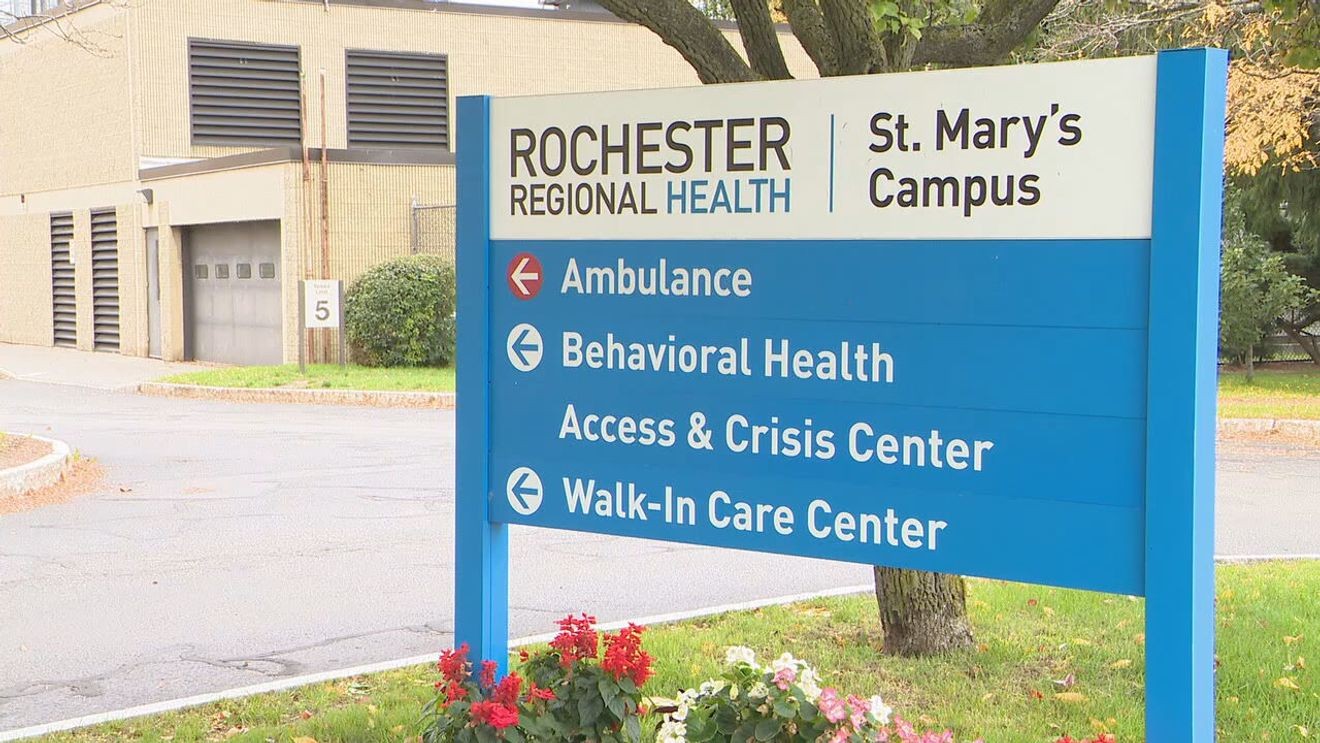
FILE – Signage for Rochester Regional Health’s St. Mary’s Medical Campus is pictured Oct. 15, 2018. (Photo by Carlet Cleare/WHAM)
Rochester, N.Y. (WHAM) — Rochester Regional Health confirmed Tuesday morning it found elevated levels of Legionella bacteria in portions of the water system serving the St. Mary’s Medical Campus
The New York State Department of Health and Monroe County Department of Health are investigating the finding at the Unity Living Center on the St. Mary’s campus. The facility has been under water use restrictions since Thursday while officials monitor testing and work to protect residents, staff and visitors
RRH said precautionary measures have been in place since Friday night, including bottled water for drinking and brushing teeth. “Alternative bathing options” are also being used for affected patients and residents
The health system said it is aware of one possible surveillance case involving a person who was at St. Mary’s during part of the period when they could have been exposed, but there is no confirmation the illness was acquired there
“There is no disruption to patient care or operations, and we believe the risk to patients, residents, visitors and team members remains low,” RRH said in a statement
About 150 short- and long-term residents currently live at the facility A spokesperson said restrictions will remain in place until the next round of water testing in three months
State health officials said regulated health care facilities must routinely test their internal plumbing systems for Legionella. If 30% or more of water samples test positive, facilities are required to take corrective action, including water use restrictions
During those restrictions, facilities use bottled water for drinking and oral care, filtered water for bathing or showering, or alternative hygiene methods until testing shows fewer than 30% of samples are positive and no additional human cases are identified
Click here to view the PDF file
Legionella bacteria can cause Legionnaires’ disease, a severe form of pneumonia
13WHAM spoke with Ontario County Public Health Director Kate Ott, who said Ontario County has recorded at least four Legionella cases since February and that infections are more common during warmer weather
“Legionella is caused by a bacteria that is found naturally in groundwater and can also make its way into pipes and cooling systems,” Ott said. “It’s the incubation period from the time you get exposed, and you get exposed generally by inhaling tiny tiny tiny droplets or mists of water.”
According to the New York State Department of Health, Legionnaires’ disease is very rarely spread from person to person
Ott said symptoms typically develop two to 10 days after exposure
“So, we’re talking about Legionella disease; it would be talking about the pneumonia that it causes, and symptoms would be similar to other types of pneumonia,” Ott explained. “So, you’d have, you know, shortness of breath, fever, body aches, fatigue.”
She said adults 50 and older, along with people with chronic health conditions or weakened immune systems, face the highest risk of severe illness
“If you’re young and otherwise healthy, your immune system very likely could take care of it, but older people, or people with underlying chronic illnesses or weakened immune systems, are really going to bear the brunt of these cases,” Ott said
The state health department said it will continue monitoring water testing, clinical surveillance and the facility’s response while providing guidance to help protect residents, staff and visitors
The announcement comes as New York City health officials continue responding to a Legionnaires’ disease outbreak that has sickened at least 76 people and has been linked to four deaths
