



Personalized Gene Therapy Helps Teen with Rare Form of Severe Epilepsy Walk Independently
The two-year treatment targeting protein production by disease-causing mutations dramatically reduced seizures and sparked developmental gains, helping one teenager walk independently
Story by:
- Susanne Clara Bard
–
scbard@ucsd.edu
Media contact:
- Susanne Clara Bard
–
scbard@ucsd.edu - Lizelda Lopez
–
llopez2@ucsd.edu
Published Date
July 21, 2026
Story by:
- Susanne Clara Bard
–
scbard@ucsd.edu
Media contact:
- Susanne Clara Bard
–
scbard@ucsd.edu - Lizelda Lopez
–
llopez2@ucsd.edu
Topics covered:
Article Content
- Investigational gene therapy with allele-selective antisense oligonucleotides silenced the expression of a mutant copy of the SCN2A gene, dramatically reducing seizure frequency.
- Broad developmental gains were observed across a two-year period, with no adverse health effects reported.
- The approach provides a model for rapidly translating personalized genetics into treatments for many other neurological and non‑neurological diseases caused by single gene mutations.
SCN2A‑related developmental epileptic encephalopathy (DEE) is a rare, severe form of childhood epilepsy and one of the most common causes of monogenic autism. The condition is caused by single mutations to the sodium voltage-gated channel alpha subunit (SCN2A) gene, which controls the flow of sodium ions into neurons. These mutations promote abnormal brain excitability, resulting in uncontrolled seizures along with developmental delays, autism, movement problems and gastrointestinal issues. Most of these mutations are de novo (not inherited from a parent), and arise spontaneously.
Traditional anti-seizure medications are often ineffective and do not address the underlying genetic cause of SCN2A‑related DEE. Now, an international team of researchers led by University of California San Diego and Rady Children’s Institute for Genomic Medicine has treated two children with the condition using gene therapy tailored to each child’s specific SCN2A mutation. In two separate n-of-1 clinical trials over a two-year period, the children, aged nine and 14 at the beginning of their clinical studies, showed a dramatic drop in seizure frequency in addition to developmental gains, with minimal side effects. The studies, published on July 21, 2026 in Nature Medicine, pave the way for scaling personalized therapies from “one‑off” cases to larger groups of patients with similar genetic backgrounds.
Each person has two copies of every gene and SCN2A mutations affect only one of the gene’s two copies. The researchers created short, synthetic pieces of DNA called allele-selective antisense oligonucleotides (ASOs) that recognize harmless regions of DNA sitting next to each child’s disease‑causing mutation
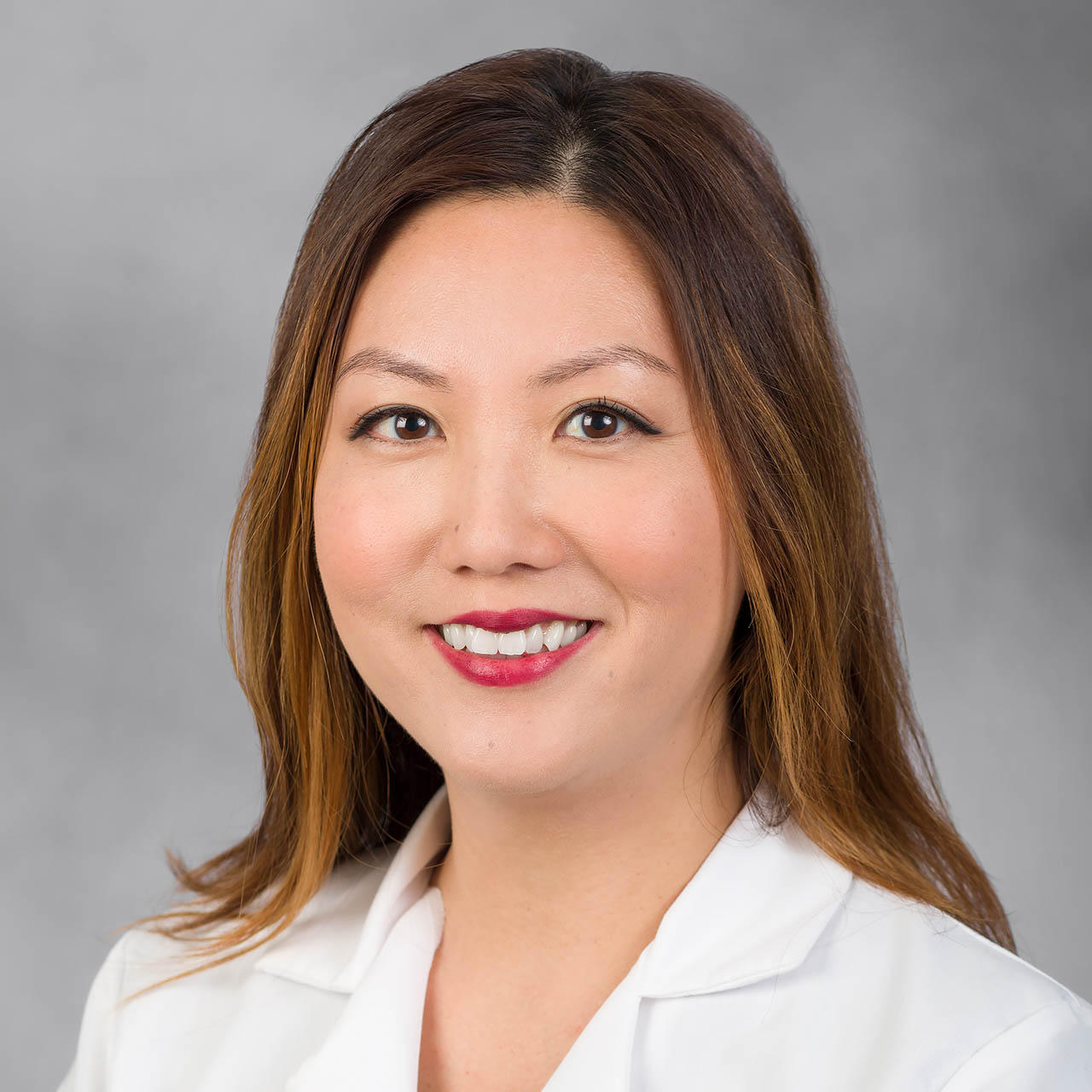
“The therapy is deliberately designed to target the individual’s genetic diagnosis,” said principal investigator Olivia Kim‑McManus, MD, associate professor of neurosciences at UC San Diego School of Medicine, director of the Rady Precision Therapeutics Neuro-Interventional Program at Rady Children’s Hospital San Diego and clinical investigator and physician-scientist at Rady Children’s Institute for Genomic Medicine. “The ASO modifies genetic expression and what proteins are expressed.”
Injecting the ASOs under anesthesia directly into spinal fluid silenced the mutant version of the gene while allowing the other copy of the gene to function normally
The therapy was repeated every two to three months, with each child serving as their own control. The researchers tracked seizure counts, medication use and a range of developmental and behavioral measures before and after treatment. After two years, they found:
- Decreases in seizure frequency:
- The nine-year-old patient, who had seizures nearly every day, experienced a 26% drop in seizure frequency.
- The 14-year-old patient experienced a 90 % reduction in seizure frequency, eventually reaching stretches of seizure‑free days.
- Reduced medication load:
- Both patients were able to cut back or stop some of their anti‑seizure drugs.
- Developmental gains:
- Both patients showed improvements in language and motor skills, sensory processing and adaptive behaviors, with a reduction in autism‑related behaviors.
- The older patient walked independently for the first time at age 15.
- Other health benefits:
- The older patient’s chronic gastrointestinal issues improved, requiring less medication.
- Safety:
- No serious side‑effects or ASO‑related adverse events were reported.
- Routine lab tests, electrocardiograms (ECGs) and electroencephalograms (EEGs) remained stable.
“We’ve seen changes across the board, showing that targeting the root genetic cause can produce measurable improvement,” said Kim‑McManus
Because the therapy affects gene expression but doesn’t permanently change the underlying genetic code, it must be administered at regular intervals. During the trial, the older patient’s ability to walk on his own began to wane before the next dose was administered, so the researchers adjusted the frequency of dosing with the approval of the FDA
“Since then, he’s been walking independently,” said Kim-McManus. “When we really think about precision therapy in a personalized way, you can’t get more personalized than that.”
She says while these therapies are still investigational, they provide a model for rapidly translating personalized genetics into treatments, potentially accelerating development for many other neurological and non‑neurological diseases caused by single gene mutations
“It’s like a sci-fi, Star Trek idea, and that’s the look that I used to get when I was just starting this. But now that we’re on the other side showing safety and efficacy, the idea is spreading beyond academia to the pharma and biotech industry and having a big impact.”
“It’s like a sci-fi, Star Trek idea, and that’s the look that I used to get when I was just starting this,” said Kim-McManus. “But now that we’re on the other side showing safety and efficacy, the idea is spreading beyond academia to the pharma and biotech industry and having a big impact.”
Read the full study: “Individualized Antisense Oligonucleotides for SCN2A Related Developmental Epileptic Encephalopathy.”
Additional co-authors on the study include: Janelle Celso and Hoameng Ung at UC San Diego; Joseph G. Gleeson at UC San Diego and Rady Children’s Institute for Genomic Medicine; Stephen F. Kingsmore at Rady Children’s Institute for Genomic Medicine; Laurence Mignon, Julie Douville, He Pu, Catherine Parisien, Sarah Glass and Stanley T. Crooke at n‑Lorem Foundation; C. Frank Bennett at Ionis Pharmaceuticals; Kendall Robbins and Elizabeth Berry‑Kravis at Rush University Medical Center; Heather Olson at Boston Children’s Hospital and Harvard University; and Steven Petrou at University of Melbourne.
The study was funded, in part, by the California Institute for Regenerative Medicine (grant #CLIN2‑15085)
Disclosures: Joseph G. Gleeson is a paid consultant for Ionis Pharmaceuticals and the n‑Lorem Foundation. All other authors at UC San Diego declare no competing interests
