


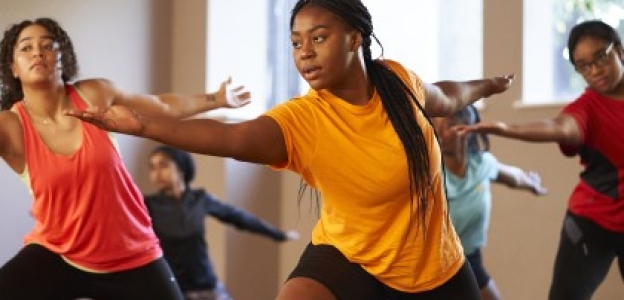
Concerns about sexual harassment and intimidation affect how many women aged 16–34 experience fitness and leisure centres, according to new research we’ve published today
Our latest Activity Check-in report found that almost one in five women (19%) in this age group say they feel uncomfortable or unsafe in these environments because of the possibility of harassment or intimidation
The findings build on This Girl Can’s 2022 research with ukactive, which found that personal safety and confidence can be significant barriers for women and girls when participating in physical activity
Claire Edwards, our head of campaign activation, said: “Four years on from our initial study, this updated research shows that too many women are still adapting their behaviour to avoid harassment
“If we want more women and girls to be active, we cannot ignore the barriers that make them feel unwelcome, uncomfortable or unsafe
“Many organisations across the sector are already taking positive action but this research highlights there is still more to do.”
What were the findings?
Cost remains the biggest barrier preventing women aged 16–34 from using fitness and leisure centres more often (44%), followed by centres being too busy (35%) and centres being too far away or difficult to get to (20%).
But alongside these practical reasons, concerns about inappropriate conduct continue to influence how many women in this age group visit these facilities, how they behave when they do, and whether they come back
The report showed that harassment and intimidation are not unique to fitness and leisure centres, with just 14% of women surveyed saying they believe these experiences are more likely to happen there than in everyday life
However, 86% report experiencing at least one form of physical, verbal, non-verbal or online harassment or intimidation in a fitness or leisure centre, in the last three years
Nearly four in five women (79%) aged 16-34 agree that sexual harassment should be reported
Yet around a third (35%) lack confidence that reporting processes are clear, that staff know how to respond appropriately (34%), that they would feel comfortable raising concerns (32%), or that action would be taken if they did (31%)
Among women who use fitness and leisure centres, 62% report making some form of behaviour change after experiencing or witnessing harassment or intimidation
The most commonly reported changes to behaviours are avoiding dressing in a certain way (29%), avoiding visiting at certain times (29%), avoiding areas of the centre that usually have more men (29%) and avoiding attending on their own (26%)
Creating safer spaces to move
The new research encourages organisations in the sector to review their practices and consider what more they can do to build confidence and create positive experiences for women and girls, such as:
- strengthening staff capability
- improving confidence in reporting processes
- communicating clearly about unacceptable behaviour
- considering how safety concerns influence participation.
Many of these opportunities for action are already reflected in the Safer Spaces to Move hub, developed by This Girl Can with ukactive following the earlier research into this subject
The hub brings together practical tools, training, guidance, policies and communications renclusive environments
And it’s making a difference. The report found that nearly two thirds of women aged 16-34 said their centre had a code of conduct (63%) and visible information on how to report harassment (62%)
That’s up from four years ago, when This Girl Can’s research found that less than half of female gym users (46%) were aware that their centre had a code of conduct or safety policies
Find out more
Visit the Safer Spaces to Move hub
