


Since its launch in August last year, cumulative prescriptions have accounted for more than half of all prescriptions in their 20s and 30s Triad drug Retatrutide Phase 3 clinical success Eli Lilly is preparing ‘The Sen’ obesity drug
The number of monthly prescriptions in Maunzaro in Korea has increased nearly 15 times within 10 months of its launch. Amid the rapid expansion of the obesity treatment market, the next-generation triple agent Retatrutide is also proving a weight loss effect of up to 25.3 kg in phase 3 clinical trials, and competition for next-generation obesity drugs is in full swing
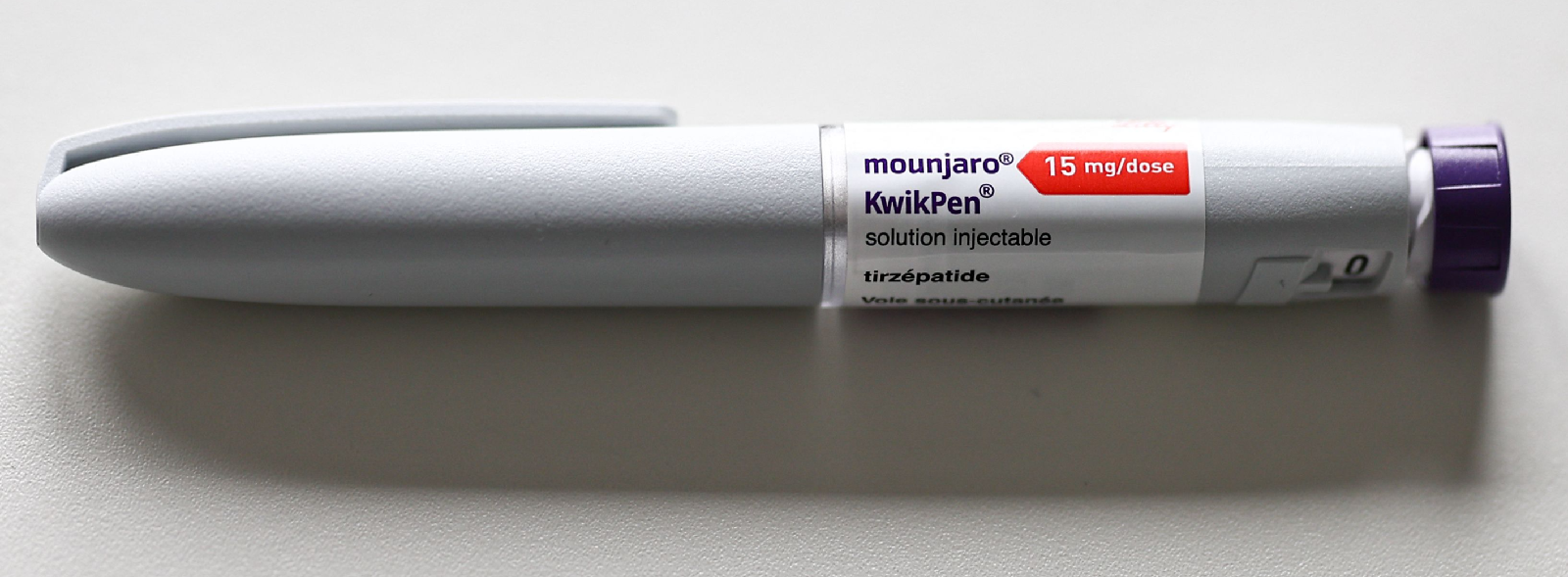
According to data from the Drug Safety Service (DUR) of the Health Insurance Review and Assessment Service on the 29th, 1.51,161 cases of Mountaineer have been prescribed since its launch in Korea in August last year until May this year. The number of monthly prescriptions increased 14.7 times from 18,579 in August last year, the first month of its launch, to 273,140 in May this year. The cumulative number of prescriptions exceeded the previously released WeGovi (1,228,867) last year
The demand for obesity treatments is also expanding to the elderly. By June this year, the number of prescription checks for people aged 60 or older in Hugo Bee and Mountaineer was 104,327. The medical community believes that older people are increasingly looking for obesity treatments for the purpose of improving comorbidities such as diabetes, high blood pressure, and joint diseases and weight loss for healthy old age rather than for cosmetic purposes
On the other hand, as prescriptions surge, concerns over misuse of glucagon-like peptide-1 (GLP-1)-based obesity treatments are growing. The government is considering designating Maunzaro and Hugo Bee as drugs of concern for misuse, and some in the medical community say that the system should be shifted to prescription management rather than distribution management to reduce prescriptions for adolescents and beauty purposes
Competition to develop next-generation obesity treatments is also accelerating. Eli Lilly recently announced that it has found weight loss effects of up to 22.6% and an average of 25.3 kg in a global phase 3 clinical trial of the triple agent RetatruTide, which simultaneously targets GLP-1, GIP, and glucagon receptors (GCGR). Weight loss was up to 20.8% in obese patients with type 2 diabetes and up to 22.6% in severely obese patients with cardiovascular disease, and blood sugar, blood pressure, and lipid indicators also improved.
Retatrutide is evaluated as the first triple agent in the family to add glucagon receptor action to mausaro, the GLP-1·GIP double agent currently on sale. Based on the results, Lily has obtained the clinical data needed to apply for approval for obesity, obstructive sleep apnea, and knee osteoarthritis, and plans to apply for product approval from the U.S. Food and Drug Administration (FDA) in the first quarter of 2027
“The current market is led by GLP-1 family, but competition among global pharmaceutical companies will become fiercer as clinical results of next-generation triple agents continue,” an industry official said. “In the future, not only weight loss effects but also increased indications and long-term safety will determine product competitiveness.”
