


Local News
New Jersey Health Officials Warn Residents About Mosquito-Borne Disease Risks
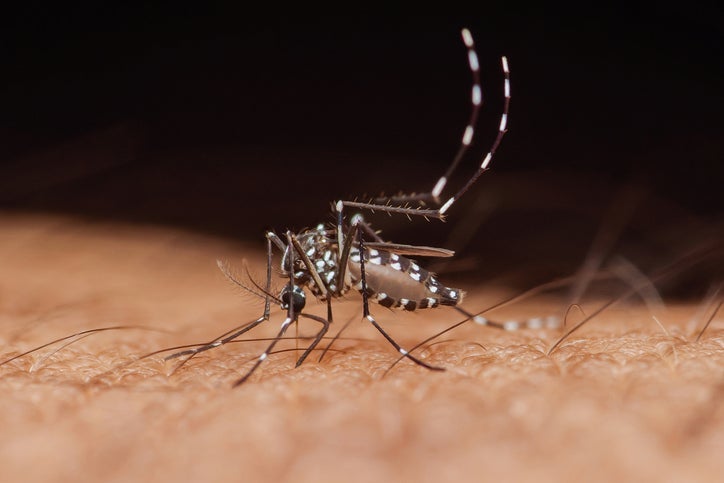
State health and environmental officials want residents to guard against mosquitoes. West Nile virus turned up in mosquitoes across 12 counties this year. The Departments of Health, Environmental Protection, and…
J. Mayhew
Published Jul 28, 2026 5:52 PM EDT
State health and environmental officials want residents to guard against mosquitoes. West Nile virus turned up in mosquitoes across 12 counties this year. The Departments of Health, Environmental Protection, and Agriculture sent out warnings as temperatures climb and mosquitoes swarm
West Nile virus showed up early. New Jersey sees about 22 human cases each year. Eastern equine encephalitis and Jamestown Canyon virus pose threats too
“Protecting public health is a shared responsibility,” said Dr. Raynard E. Washington, New Jersey Health Commissioner, per Morning Ag Clips. “The best defense against diseases transmitted by mosquitoes is to avoid being bitten in the first place and reducing breeding grounds.”
Over 63 mosquito species live here. Trillions hatch each summer. They survive just two to three weeks, yet they can transmit West Nile virus, St. Louis encephalitis, Eastern equine encephalitis, and Jamestown Canyon virus during that brief window
Officials say to use EPA-registered insect repellents. Wear long sleeves and pants outside. DEET-based products at 20 to 40% concentration fight off mosquitoes and ticks. Stay in air-conditioned or screened spots during dusk and dawn when mosquitoes bite most
“It’s critical that everyone does their part to control nuisance mosquito populations by taking steps to prevent the pooling of water around their properties,” said Environmental Protection Acting Commissioner Ed Potosnak
Getting rid of standing water matters most. Dump water from flowerpots, birdbaths, buckets, and pet dishes once a week. Keep swimming pools clean and gutters clear so water can’t collect. Drop mosquito dunks with Bacillus thuringiensis into fountains and birdbaths — they kill larvae before they hatch
Most infected people feel nothing. Others get mild flu-like symptoms with fever, headaches, and aches. A few develop serious illness that attacks the central nervous system, which can mean hospitalization or death. Older people and those with certain medical conditions face greater danger
“They’re the deadliest animal in the world,” said David Zaber, an environmental scientist and toxicologist from Chicago, according to North Jersey. “Humans are probably second.”
Summer trips to places where dengue and malaria spread can raise risk. Officials tell travelers to talk with doctors before leaving and to avoid mosquito bites for three weeks after getting back
New Jersey
J. MayhewWriter
Related Stories
 Local News
Two New Jersey Cash 5 Tickets Split $2.07M Jackpot in Sunday Drawing
J. Mayhew
 Local News
Rutgers Launches Free Dental Sealant Program for New Jersey Children
J. Mayhew
Local News
Fair Lawn Launches Noise Complaint Hotline To Track Music From Paterson
J. Mayhew
