


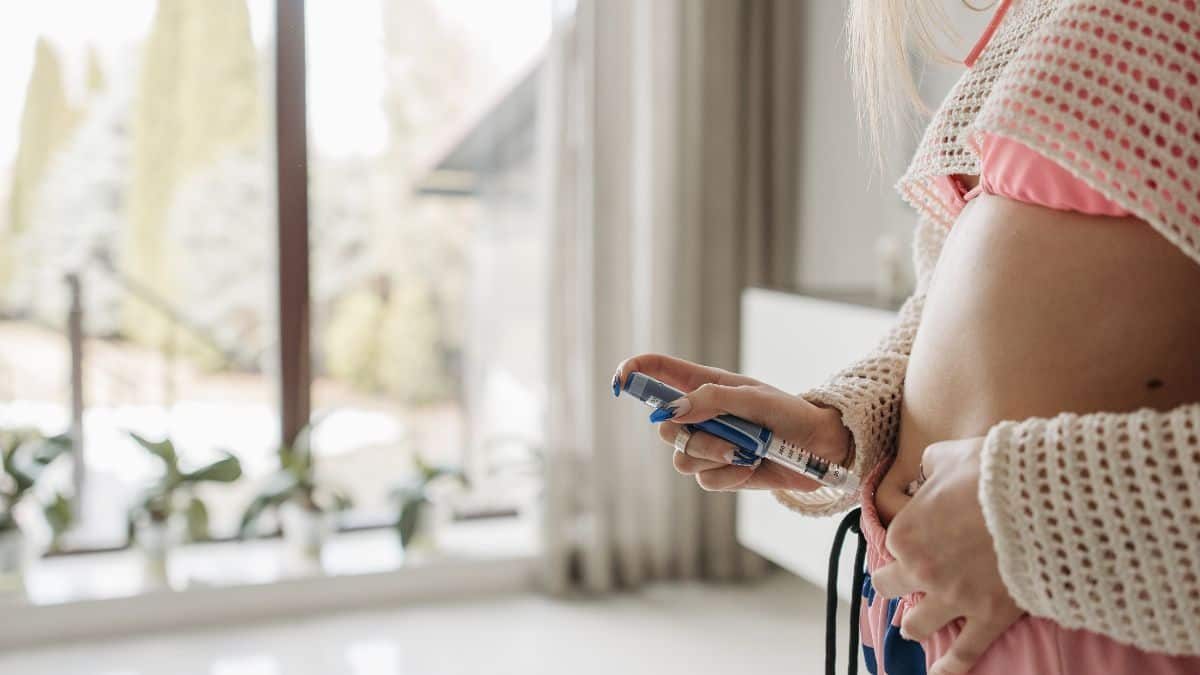
The arrival of GLP-1 drugs such as semaglutide and tirzepatide, popularly known as Ozempic and Mounjaro, has transformed the treatment of obesity and type 2 diabetes, while also reducing the risk of heart disease and kidney complications
But as their popularity soars, with less expensive versions available in India, endocrinologists and metabolic specialists are warning that taking these medicines without proper guidance can lead to massive loss of muscle
This is a major concern for Indians, who already have lower baseline body mass and are more susceptible to sarcopenia, the progressive and generalised loss of skeletal muscle mass, strength and function that occurs as people age
A new expert consensus, published in the Journal of the Association of Physicians of India (JAPI), says that nutrition, hydration and resistance exercise are just as important as the medicines themselves
More from Lifestyle
Is drinking ghee on empty stomach healthy? Doctor explains the viral Panchakarma Snehapana trend:Booker Prize 2026 longlist has a 53-year age gap between its oldest and youngest author — see the full 13 books
For the first time, the recommendations are India-specific, as experts say Indians have unique metabolic characteristics that make them more vulnerable to muscle loss during rapid weight reduction
The recommendations come at a time when GLP-1 drugs are increasingly being sought not only for obesity and diabetes but also for cosmetic weight loss. Experts say that trend is worrying
“GLP-1 medicines are highly evidence-based drugs with proven benefits apart from weight loss, including protection of the heart and kidneys. They should be prescribed under expert medical supervision and not used simply for cosmetic weight loss,” said Dr Shashank Joshi, leading endocrinologist and one of the experts involved in the consensus. “Obesity is the mother of more than 200 diseases. These medicines are meant for appropriate medical indications, not as a quick fix.”
Quick Reads
View All
Sarnath added to Unesco’s World Heritage List: How are sites chosen for this honour?
US pub are adding 20% tips to their bills. The FIFA World Cup 2026 is why
Dr Anoop Misra, chairman of Fortis C Doc Hospital for Diabetes and Allied Science and one of the authors of the consensus, says that preserving muscle mass needs more attention. “Most people focus on losing fat, but far fewer pay attention to preserving muscle. Yet, up to 25 percent of the weight lost with GLP-1-based therapies can come from lean body mass, making muscle preservation a critical aspect of obesity management,” he says
Dr Misra says the “document provides, for the first time, practical, India-specific guidance for physicians on preserving muscle during GLP-1-based therapy. It should be essential reading for all healthcare professionals prescribing these medications”
The consensus argues that recommendations developed in Western populations cannot simply be applied to Indians
“This consensus is particularly important for Indians because even our obesity is different; we are a ‘thin-fat’ population,” Dr Joshi said. “We have relatively less muscle mass, what we call in-built sarcopenia, which makes us more vulnerable to type 2 diabetes.”
Dr Misra agrees. “Making muscle preservation a critical aspect of obesity management is very important, particularly for Asian Indians, who have lower baseline muscle mass and are more susceptible to sarcopenia”
According to Dr Joshi, Indians generally consume less protein and fibre and rely heavily on refined carbohydrates
“Compared with many other ethnic groups, Indians generally consume less protein, more simple carbohydrates and less fibre. These dietary patterns make it essential to protect muscle health during weight-loss therapy,” he said
Weight loss isn’t just about fat
One of the biggest concerns addressed by the consensus is the loss of lean muscle mass
Studies have shown that between 25 and 40 percent of total weight lost with GLP-1 therapy may come from lean tissue rather than fat, although researchers are still studying how much of this represents true muscle loss and how much reflects changes in fat within the muscle
“Lean muscle loss during GLP-1 therapy can account for roughly 25 to 40 percent of the total weight lost. That’s why preserving muscle mass must be a priority,” Dr Joshi said
He added that older adults and people with multiple health conditions require particular caution because they are already at greater risk of sarcopenia
Protein, water and strength training
The recommendations emphasise that patients should receive structured nutritional counselling before and throughout treatment. That dietary pattern becomes even more problematic when appetite falls after starting GLP-1 medicines. Dr Joshi noted that nutritional deficiencies may develop because patients consume substantially fewer calories during treatment
“The key recommendations are adequate hydration, sufficient fibre, high-quality protein, correction of micronutrient deficiencies and resistance exercise,” Dr Joshi said
- Most Indians consume only around 0.6–0.8 grams of protein per kilogram of body weight each day. During active weight loss on GLP-1 therapy, the consensus recommends increasing intake to approximately 1.2–1.5 grams per kilogram daily.
“It’s not just the amount of protein that matters; the quality of protein is equally important. We need to improve the quality of protein in the Indian diet,” he said
- Hydration is another often overlooked issue because people tend to eat and drink less while taking these medicines.
“People eat less while on these medicines, and they also tend to drink less. That’s why hydration becomes extremely important. In general, we recommend about two to three litres of water a day unless there is a medical contraindication such as heart disease,” he said
- The panel also encourages replacing refined carbohydrates with complex carbohydrates, whole grains and fibre-rich foods.
“Our previous studies show that Indians consume too many simple carbohydrates. We need to shift towards complex carbohydrates,” Dr Joshi said
Exercise is non-negotiable
The consensus places unusual emphasis on resistance exercise rather than simply encouraging people to walk more
“Indians are a very sedentary population, and we do very little resistance training. Muscle-strengthening exercise is absolutely essential during GLP-1 treatment,” Dr Joshi said
“Our goal should be to improve the fat-to-muscle ratio, to have more muscle and less fat.”
Experts say preserving muscle is important not only for physical strength but also for maintaining insulin sensitivity and metabolic health
Not a miracle cure
The consensus also cautions that GLP-1 medicines should not be viewed as lifelong magic bullets
“These medicines are not a quick fix. Once treatment is stopped, some degree of weight regain is common. That’s why nutrition and resistance exercise remain important even after the medication is discontinued,” Dr Joshi said
“This is an expert consensus based on the best available evidence, but we still need more Indian data. These medicines have only been available in India for a relatively short period, so the next four to five years will tell us much more about their long-term effects in our population,” Dr Joshi said
