


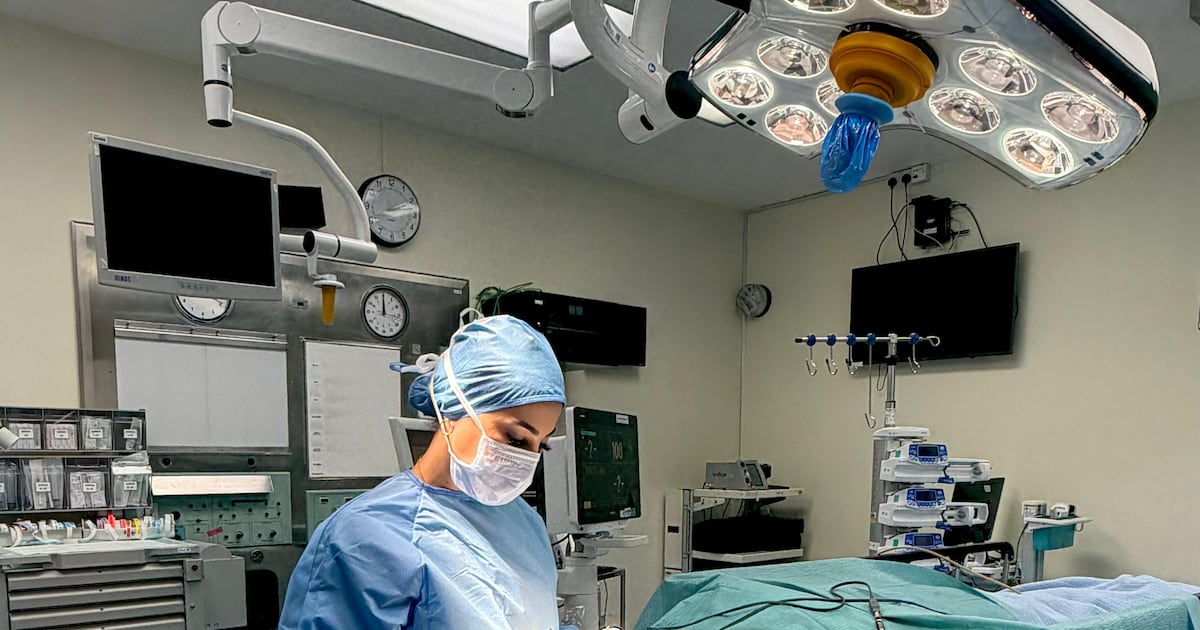
Plastic surgeons have warned against the rising trend of combining weight-loss drugs with supersized enhancements and other cosmetic techniques, saying they could pose serious long-term health problems
Doctors described a rising XS-XL trend in which women opt for very large breast implants and then rapidly lose weight by taking GLP-1 weight-loss drugs such as Wegovy or Mounjaro
It is leaving some women vulnerable to complications such as dehiscence, in which stretched skin thins and splits
Other trends include fat harvesting from deceased and living donors to reinject volume in certain areas of the body, a technique surging in popularity in the US
Meanwhile, doctors are fielding requests for skeletal remodelling, where ribs are extracted to create a tiny waist for patients seeking perceived physical perfection
Social media pressure
Extreme demands for surgical enhancements are being fuelled by celebrity culture and social media trends, they said
“Everyone is affected by social media and celebrities, all those people who have a perfect figure, which leads to demands for an hourglass shape with bigger breasts and larger gluteal area,” said Dr Amina Nabil, an Emirati surgeon and owner of LA Vogue Experts Clinic in Dubai
“But with the severe weight loss I am seeing, there are consequences and complications. People are taking GLP-1 drugs to lose weight dramatically and quickly
“The problem is that not everyone can tolerate this. It will cause a lot of complications, particularly for breast augmentation because the skin cannot stretch very well.”
Rapid weight loss
A combination of significant weight reduction and high-volume breast and gluteal augmentation may lead to disproportionate body contours and potential health complications
These include tissue stress, implant-related issues and impaired wound healing in cases of extreme body-weight reduction
The Arab Association of Surgical & Medical Aesthetics and leading plastic surgeons said that while body contouring and breast augmentation remain common, the combination in extreme form is becoming more frequently requested, particularly among international patients
Clinics are also seeing demand for AlloClae, a procedure that involves harvesting adipose tissue from cadavers or live donors and injecting it into a patient to add volume to certain areas. It is usually done in a clinic under local anaesthetic
The technique is not approved by the Food and Drug Administration as an injectable medicine, and must be regulated under human tissue standards, such as those used in transplant surgery
Renuva is a similar procedure. The injectable treatment is a purified donor-fat matrix used to restore volume. It acts as a structural scaffold that the body gradually replaces with the patient’s own fat cells. It is also made from purified, sterilised adipose tissue taken from human donors
Dr Nabil strongly advised women against using weight-loss pills in tandem with cosmetic implant surgery
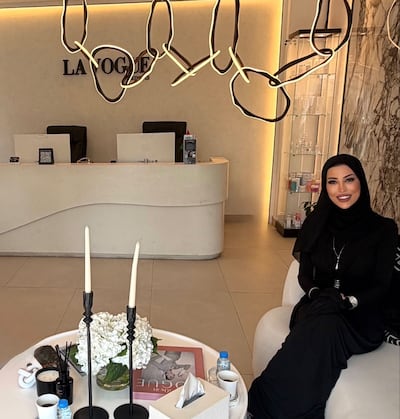
“These women arrive with a very low immunity because of the dieting and during the weight loss itself, so they are susceptible to anaemia,” she said
“Some clinics are also offering rib removal now, too, which is a trend driven by demand for a smaller waist. Doctors remove the last two ribs from the body, but this is where even more complications happen
“In some cases, I have heard of women who do not have enough fat to be reharvested and injected elsewhere being told to go away and put on weight so it can later be removed and reused elsewhere as an implant.”
“Many patients are coming in with unrealistic expectations which we have to try to manage. They have no idea how dangerous this is.”
Varying preferences
Surgeons said that while aesthetic preferences vary widely and are highly individual, extreme combinations of body modifications require careful medical evaluation to avoid complications
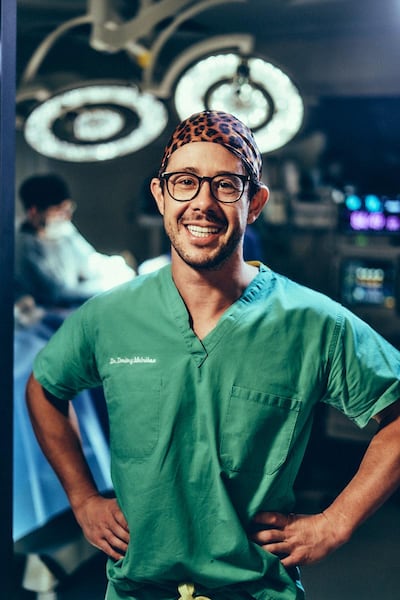
Dr Dmitry Melnikov, a Dubai-based plastic surgeon who <a href="https://healthylife7.com/titans-work-out-standout-ufl-safety-sam-kidd/” title=”Titans work out standout UFL safety Sam Kidd”>works at the HMS Mirdif Hospital, said he had seen an increased demand for an artificial look from women visiting his surgery
“This trend is a combination of super skinny ladies – most of them have taken weight loss injections – and this weird super-artificial look,” he said
“They want big breast … but also chin, nose and face surgery. Most of these surgeries are not OK for the young women we are seeing.”
Dr Melnikov said patients were carefully evaluated before any surgery is signed off
A breast augmentation typically costs around Dh20,000 ($5,445), but associated hospital fees and follow-up care can lead to those charges doubling
The latest implant operations that use naturally occurring tissue are considerably more expensive, usually more than $40,000 in the US
“Generally, the bigger implants you have, the bigger problems you will have,” said Dr Melnikov. “There are limits from your body on tissue, blood supply and general breast health, so I’m against these big implants. They are a foreign body and there is always a foreign body reaction.”
