


Image
The Duke Global Health Institute is expanding its Climate and Global Health Initiative with a new collaboration aimed at understanding of how climate change is affecting health across one of the world’s most ecologically important regions, Brazil.
Duke researchers are joining collaborators from 12 Brazilian institutions in Manaus, Brazil, to inaugurate the Amazon Climate and Health Observatory, one of four regional hubs that connects researchers, practitioners and local communities to investigate emerging climate-related health threats
The Amazon hub follows the launch of climate and health observatories in East Africa and Southeast Asia, with a fourth observatory focused on North Carolina planned for later this year
Each observatory will integrate climate, health, environmental and demographic data into shared, standardized systems for researchers to identify trends, compare findings across regions and develop evidence-based strategies to protect vulnerable populations. The Amazon effort will focus on challenges facing nearly 50 million residents, including Indigenous communities that often face barriers to healthcare. Drought, wildfires and changing environmental conditions in the region increase risks for chronic and infectious diseases.
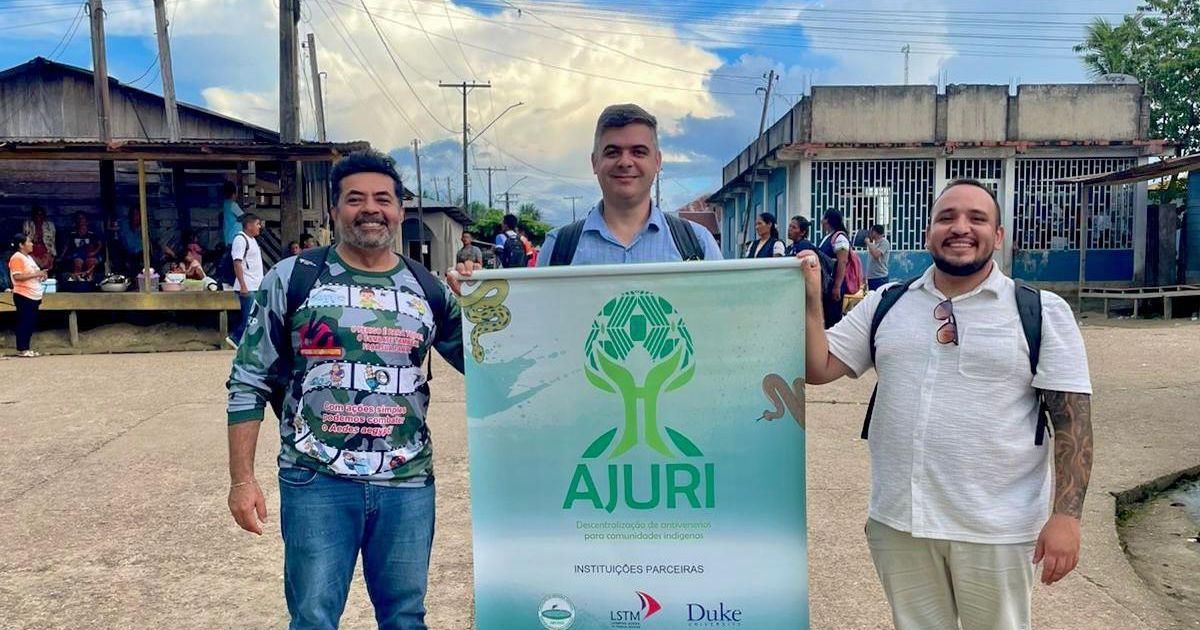
The Amazon observatory also supports practical research, including a Global Health Institute project using data to improve access to snakebite antivenom in remote rainforest communities. The initiative is designed as a global network where discoveries in one region can inform solutions in another
Learn more about the Amazon Climate and Health Observatory
