


Feature
|
Long read
Nepal’s Mental Health Care faces a crisis of access and accountability
August 2, 2026
As more people seek counseling and psychiatric care, limited public services, a shortage of specialists, and weak regulation of private providers are leaving patients to navigate an expensive and uneven mental health system
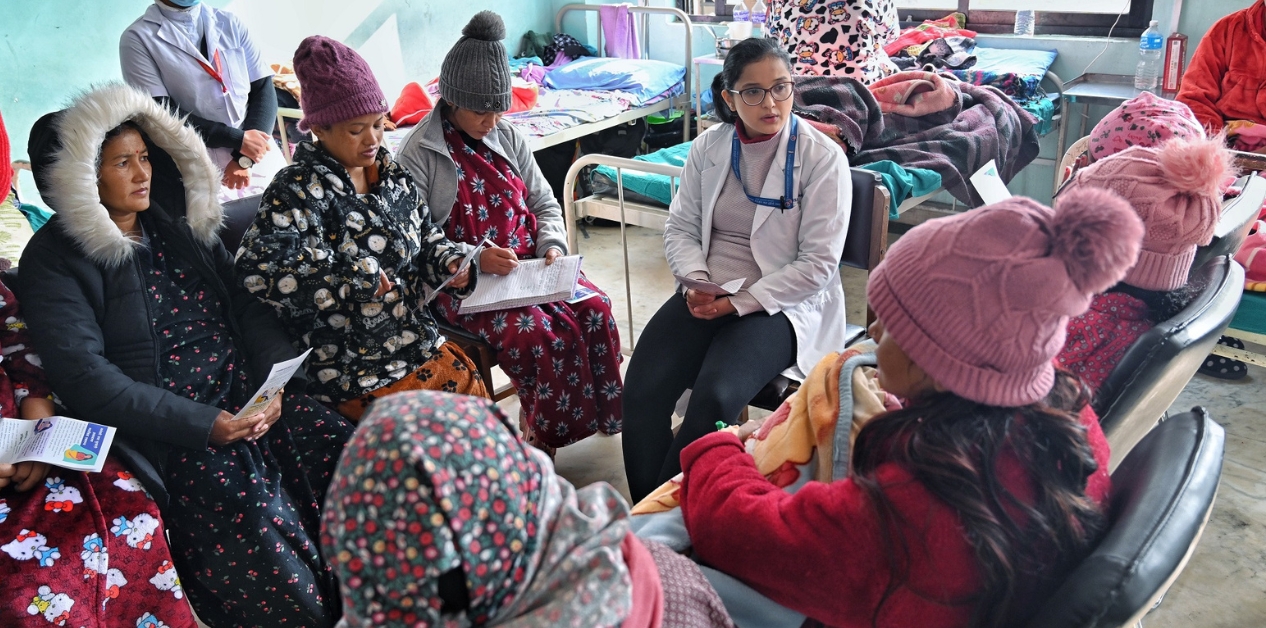
Psychiatrist Dr. Pratishtha Ghimire providing mental health counseling in the mental health outpatient (OPD) room at Paropakar Maternity and Women’s Hospital. Photo: World Health Organization
A
A+
A-
KATHMANDU: Ritu, a resident of Buddhanagar, Kathmandu, became pregnant two years after her marriage. She began regular prenatal checkups at the Paropakar Maternity and Women’s Hospital in Thapathali. During the initial months of her pregnancy, she experienced symptoms like nausea, fatigue, and a loss of appetite
From the fifth month onwards, her situation became more difficult. She was constantly plagued by fear, anxiety, and restlessness. She constantly worried that something might be wrong with her unborn child. Negative thoughts about the future clouded her mind, and insomnia set in
She shared these concerns with the obstetrician-gynecologist she had been consulting at the maternity hospital. The doctor explained that she was showing symptoms of prenatal mental health issues and provided general counseling. Hearing that she might have a mental health condition made her even more anxious
She wanted to consult a psychiatrist, but one was not available at the maternity hospital. In search of psychological counseling, she visited a private hospital in Baneswar. After three sessions, she felt some relief. “As my belly grew, my fear also increased. Thoughts like ‘What if I can’t deliver the baby?’ kept running through my mind,” she shared after her third counseling session on July 27. “I knew about the thoughts that could occur during pregnancy, but no matter how much I tried to reassure myself, my anxiety didn’t lessen until counseling made things much easier.”
With growing discussions and awareness about mental health in society, women like Ritu have started seeking appropriate treatment during pregnancy. While conversations around postnatal mental health were previously limited to urban areas, interest in prenatal mental health has also increased in recent years
Studies by the World Health Organization (WHO) show that over 15.6% of pregnant women and 19.8% of postpartum women in Nepal experience some form of mental health issue. Research also indicates that pregnant and postpartum women face a high risk of depression and anxiety
When a mother suffers from mental health issues, it adversely affects the child’s physical, emotional, and nervous system development. To address this, the government launched a specialized mental health OPD service for pregnant and postpartum women at the Paropakar Maternity Hospital in Thapathali on October 6, 2024. The OPD was established in accordance with the “National Maternal Mental Health Program Implementation Framework, 2024,” prepared by the Family Welfare Division under the Department of Health Services and the WHO. To deliver this service, the Ministry of Health contracted a psychiatrist who had studied under a government scholarship.
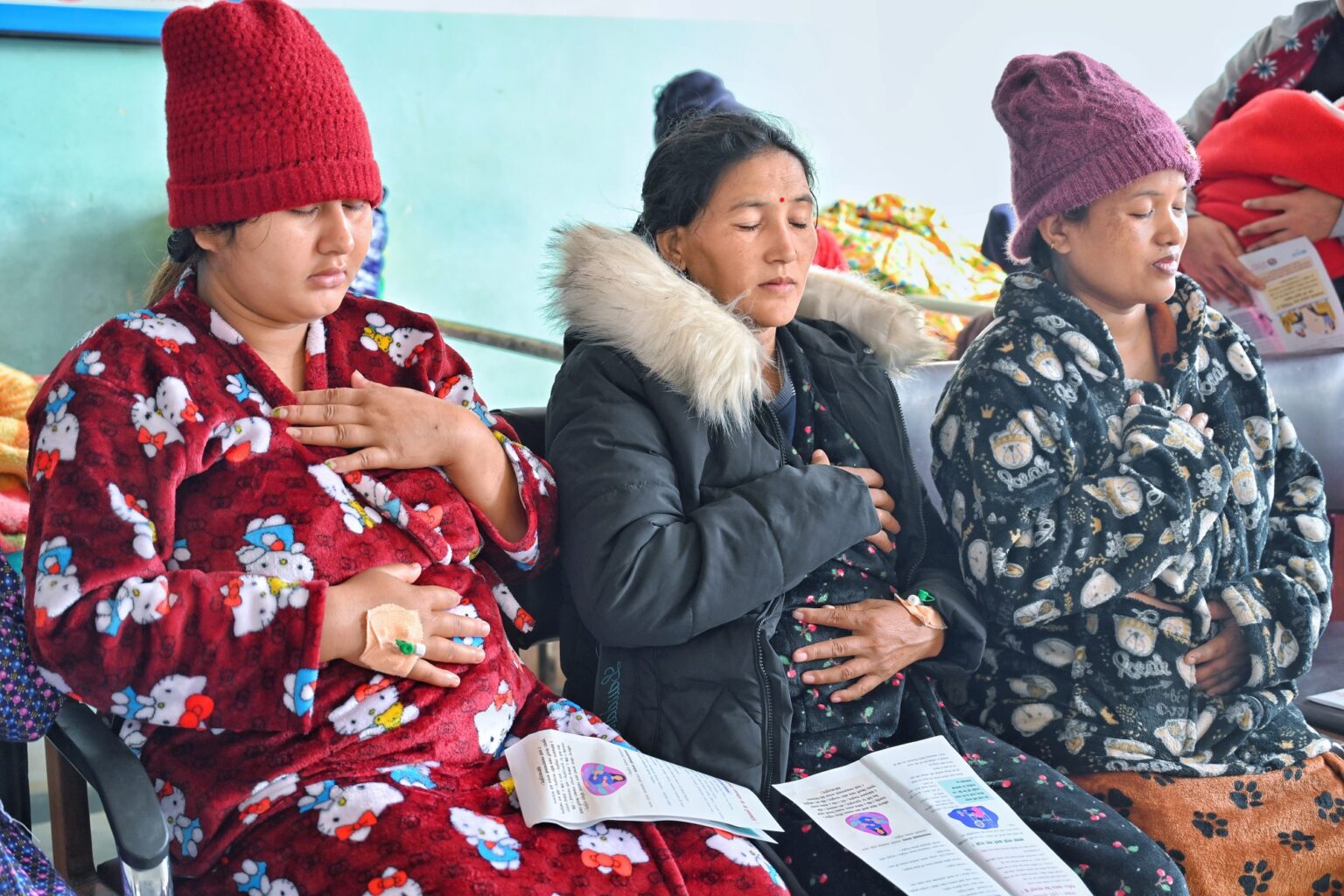
Postpartum mothers participating in a mental health education session led by a psychiatrist at Paropakar Maternity Hospital, Thapathali. Photo: World Health Organization
According to Dr. Pratishtha Ghimire, the psychiatrist working at the maternity hospital’s mental health OPD at the time, seven to eight pregnant and postpartum women received service daily, while 12 to 15 received psychosocial counseling. Ranu Thapa, information officer at the hospital, noted that the service was exceptionally useful for mothers struggling with mental health issues
Under the “Guidelines for the Mobilization of Doctors and Health Workers Receiving Scholarships from the Government of Nepal, 2014,” scholarship-funded doctors are required to serve a minimum of two years on contract at government-designated health institutions. After the contract term of the designated psychiatrist ended, the hospital extended her service period. However, after she secured a permanent position elsewhere, the mental health OPD at the hospital has been closed for the past five months. “Because there is no psychiatrist available, we have been unable to continue the mental health OPD despite it being critically needed,” says Information Officer Thapa.
She mentioned that they have repeatedly requested the Ministry of Health and Food Safety to provide a psychiatrist. Meanwhile, Dr. Samir Kumar Adhikari, Deputy Spokesperson and Senior Health Administrator at the Ministry, states that the hospital can recruit a psychiatrist using its own ressues on its own,” he says. “If it doesn’t work out and our support is needed, we will facilitate it.”
Due to the lack of psychiatrists and reliable counseling services in government health institutions, patients are forced to visit expensive private clinics, therapy facilities, and counseling centers. As a result, such private institutions continue to expand
Growing demand for counseling and treatment
In Nepal, factors such as prolonged political instability, poverty, unemployment, inflation, family disruption caused by foreign employment, uncertainty about the future, mental distress following disasters or violence, domestic disputes, and a lack of stress management skills have made mental health a complex issue. Psychosocial problems caused by social circumstances and internal emotional states affect individuals mentally; when left unaddressed, these complexities elevate into clinical mental illnesses.
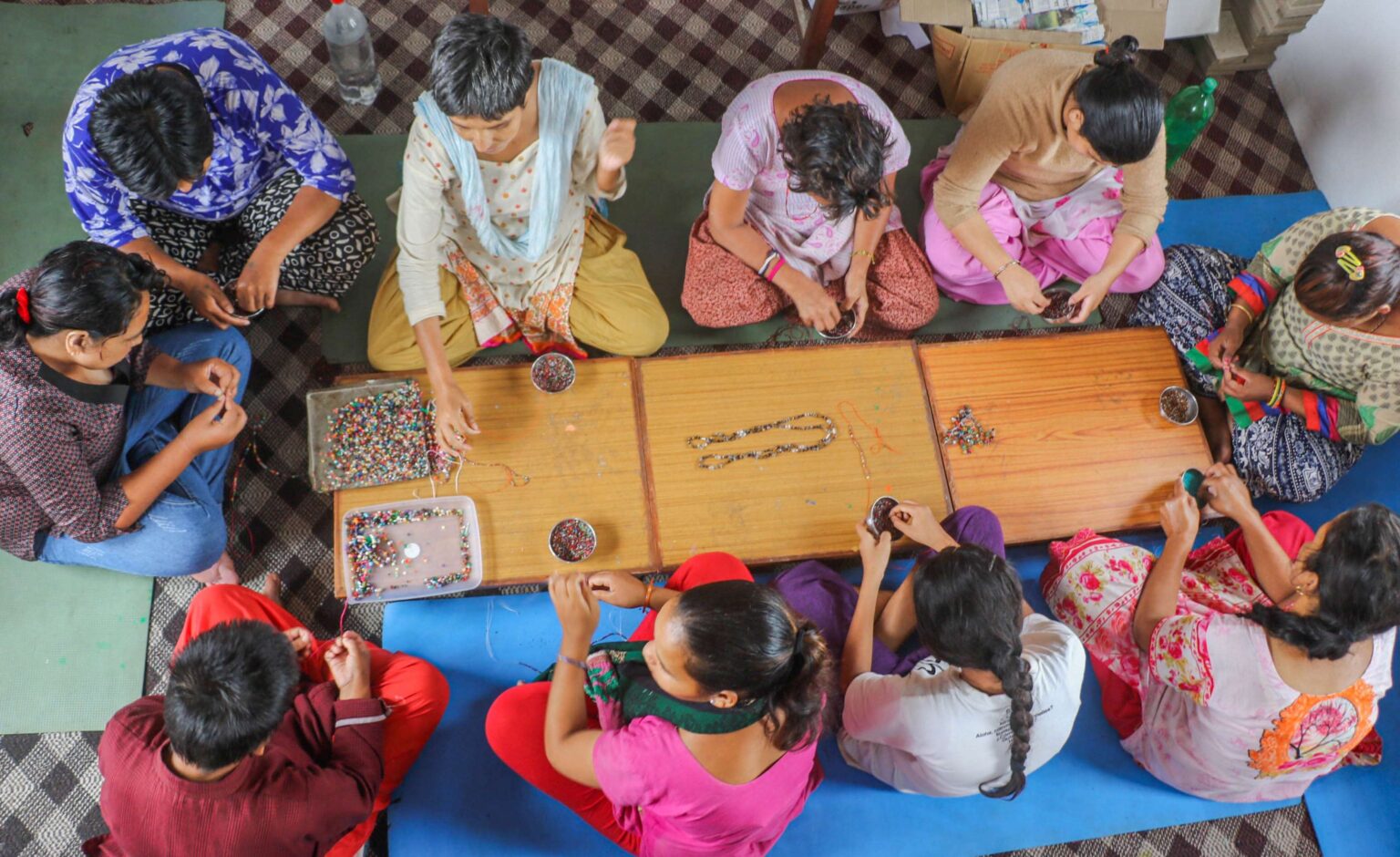
Psychosocial counseling and life-skills training conducted for survivors of violence. Photo: KOSHISH Website
According to Jitendra Rai, a psychosocial counselor, symptoms of mental health issues include restlessness, hopelessness, agitation, stress, anxiety, fear, sadness, loneliness, feelings of inferiority, fatigue, and low morale. “If these symptoms persist for two consecutive weeks, it indicates a deterioration in mental health, and psychosocial counseling and treatment should begin immediately,” he says. He adds that individuals across all age groups—from children to senior citizens—are currently struggling with mental health issues and illnesses. According to the WHO, 50% of mental health disorders begin before the age of 15.
In the past, Nepali society viewed mental illness as a stigma, and patients were often neglected. Because it became a matter of social shame, affected individuals hid their issues, preventing open discussion. Today, local awareness regarding mental health has improved compared to the past, leading to an increased demand for counseling and treatment
According to Dr. Pomawati Thapa, Senior Consultant Medical Generalist at the Non-Communicable Diseases and Mental Health Section under the Department of Health Services, the number of people seeking treatment for mental illnesses at government health facilities has more than doubled over the past three years. Department data shows that during fiscal year 2024/25, 281,570 individuals received treatment, compared to 129,954 individuals three years prior (fiscal year 2022/23). These numbers do not include consultations and treatments provided by private clinics, hospitals, therapy centers, yoga and meditation centers, or project-based initiatives run by NGOs and INGOs.
Rise in awareness
It is not just mental health problems that have increased; public discussion and awareness have also driven up the demand for psychosocial counseling and treatment. Pitambar Koirala, Program Manager at TPO Nepal—an organization that has worked in the field of mental health and psychosocial counseling for two decades—notes that while modern mental health terminology was not used in traditional society, mental health problems and illnesses were still present. “In the past, traditional healers, shamans, and Ayurvedic practitioners provided psychosocial counseling and treatment by listening attentively, offering comfort, and building trust.”
Local residents of Panchakanya Rural Municipality in Nuwakot participating in a stress management and income-generation capacity building program. Photo: KOSHISH Website
With the advancement and spread of modern technology, treatment methods and processes evolved globally, leading to the adoption of modern concepts and practices in Nepal as well. Following the political transformation in 1990, discussions around mental health gained momentum, culminating in the formulation of the “National Mental Health Policy, 1996.” Major political events and disasters—including the decade-long armed conflict, the 2006 popular movement, the 2015 earthquake, and the COVID-19 pandemic—further increased mental health awareness and sparked conversations around counseling and treatment options.
Misconceptions about mental health previously prevented open public discourse. Issues were viewed as personal or family weaknesses and were hidden as much as possible. Individuals with severe mental illnesses were often taken to Ranchi, India, for treatment. Today, services are accessible in urban areas. Open discussions about mental health surged particularly after the COVID-19 pandemic, during which despair, stress, anxiety, loneliness, and financial insecurity escalated worldwide. Following this, many people began identifying their mental health issues and seeking counseling and treatment at early stages.
Limited government services
According to the National Mental Health Survey 2020 conducted by the Nepal Health Research Council, approximately 10% of adult Nepalis experience a mental health condition during their lifetime. At the time of the survey, 4.3% of adults were actively living with a mental disorder
Mental ill-health has emerged as a major factor contributing to the disease burden in Nepal. Dr. Thapa from the Department of Health Services states, “Mental ill-health has become a primary cause of premature death and reduced functionality and productivity in Nepal.”
A report titled “Prevention and Management of Mental Health Conditions in Nepal: The Economic Case, 2025,” prepared by the Ministry of Health and WHO, reveals that mental ill-health causes an annual loss exceeding Rs 18 billion in Nepal. Out of this amount, Rs 4.2 billion represents direct treatment expenses, while Rs 14.3 billion accounts for losses resulting from decreased functionality and productivity
Furthermore, severe mental ill-health has been identified as a key factor behind rising suicide rates. In 2014, the suicide rate attributed to mental health issues stood at 14 per 100,000 deaths. By 2025, this rate rose to between 24 and 25 per 100,000 deaths. Despite the growing crisis, there is only one dedicated psychiatric hospital in the entire country—the Mental Hospital located in Lagankhel, Lalitpur
While 36 government hospitals across the country, including the Mental Hospital, Patan Hospital, and Maharajgunj Teaching Hospital, run psychiatric OPD services, ward facilities are available in only 11 of them
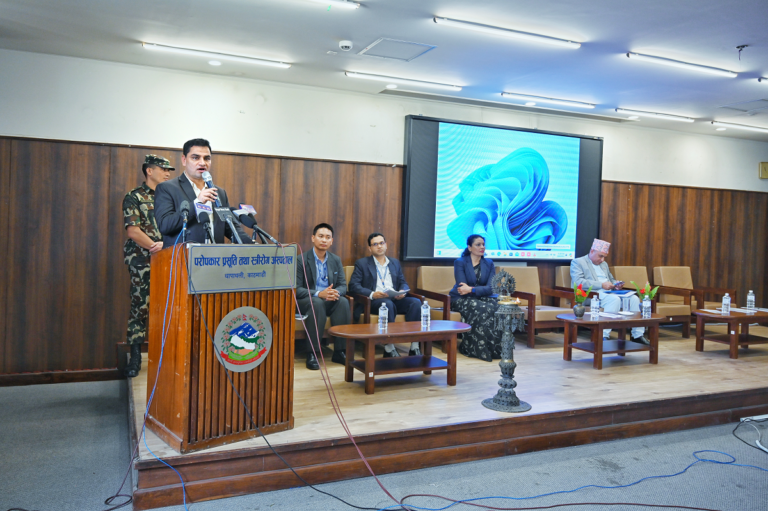
Pradeep Paudel, the then Minister for Health and Population, delivering a speech during the inauguration of the Mental Health Outpatient (OPD) Ward at Paropakar Maternity Hospital, Thapathali. Photo: WHO Nepal
Most government activities in the mental health sector remain limited to raising awareness. School nurses are deployed to facilitate student mental health services in educational institutions. Under the mental health service expansion program, 916 government health workers were trained in fiscal year 2024/25. Additionally, the government, in collaboration with the Swiss government, operates the “SAMI Project” at the municipal level to provide psychosocial counseling to migrant workers and returnees.
Thus, most awareness activities remain centered on projects implemented by national and international non-governmental organizations. Key international organizations running mental health programs in Nepal include the WHO, UNICEF, UNFPA, and United Mission to Nepal. However, these efforts fall short of meeting current demands
Due to inadequate government services, the growing demand for mental health support relies heavily on private clinics, hospitals, therapy centers, and meditation facilities. These private centers offer individual counseling, couples therapy, family counseling, child and adolescent counseling, peer counseling, student counseling, addiction treatment, and tele-counseling through psychiatrists, psychologists, therapists, and counselors
Unregulated practice in counseling and treatment
Questions continue to be raised regarding the regulation and quality of psychosocial counseling and treatment services. Public health expert Sharad Wanta states that because the government has failed to address mental health within a broad public health framework, psychosocial _ounselling and treatment have turned into commercial commodities. “Formulating a national mental health strategy and action plan only to let it collect dust does not solve the problem; government services are exceptionally weak,” he remarks. “Because of this, clients flock to private clinics, therapy facilities, and _ounselling centers where unregulated business thrives.”
Mental health services remain heavily concentrated in urban areas. Data showing that 78,885 people in Bagmati Province—the highest among all provinces—received mental health treatment at government hospitals in fiscal year 2024/25 supports this observation, despite Koshi Province having the highest prevalence of mental health issues overall
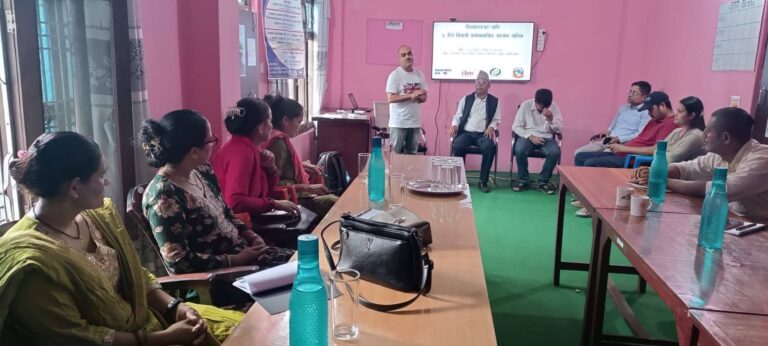
A student psychosocial counseling training session organized for teachers in Bhagawatimai Rural Municipality, Dailekh, and Triveni Rural Municipality, Rukum West. Photo: CMC Nepal Facebook
Clients face high costs from the moment they buy a ticket for psychosocial counseling and treatment. In Kathmandu, a single counseling session costs a minimum of Rs 500. Psychiatrists charge anywhere from Rs 3,000 to Rs 5,000 per session. “Even well-known psychiatrists charge Rs 3,000 and wrap up a session in just ten minutes,” a patient shared with Nepalnews
The distribution and sale of psychiatric medication present similar irregularities. While the Department of Health Services claims that 11 types of mental health medications are provided free of cost at government health facilities, in reality, free medications are rarely available. Even when available, they are often of poor quality and ineffective for treatment
During follow-up visits, psychiatrists frequently prescribe medications that must be purchased from external pharmacies. These medicines carry high price tags, making them unaffordable for low-income patients to take consistently. Irregular medication intake consequently hinders treatment effectiveness
Shortage of specialists and budget
To deliver basic services in a mental health department, a minimum team of five professionals is required: one psychiatrist, one psychiatric nurse, one psychologist, one counselor, and one social worker. Only psychiatrists are authorized to prescribe medication to patients
Currently, there are slightly over 300 psychiatrists in the entire country. While at least 100 psychiatrists are needed to provide basic mental health services in government hospitals nationwide, only 40 sanctioned positions exist. Furthermore, there is currently only one sanctioned position for a psychologist across the country, with no designated positions for other supporting personnel. Personnel trained as psychiatric nurses are rarely assigned to their specialized fields; nurses qualified for mental health departments are often found deployed across general operating theaters and ICUs.
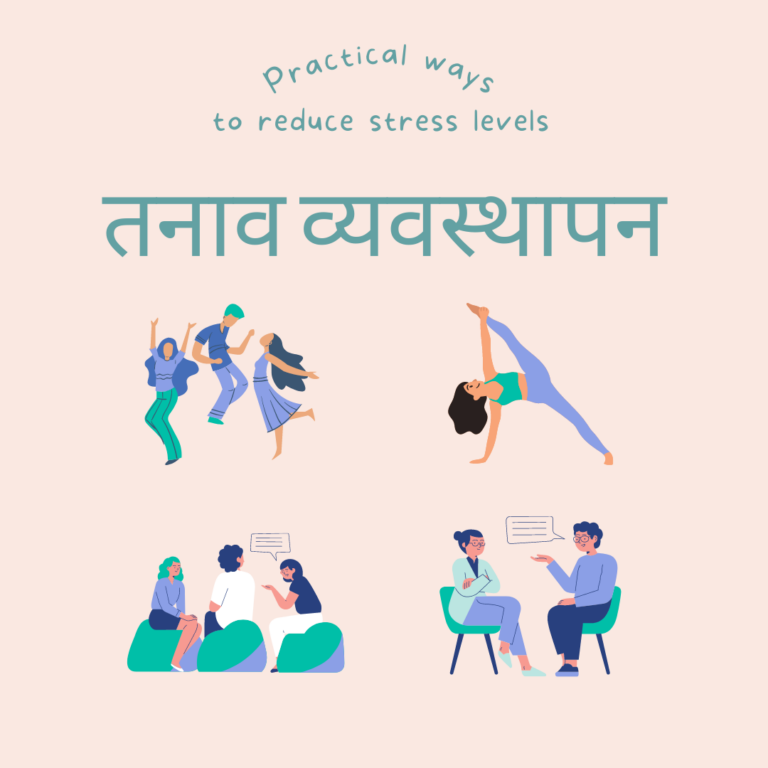
The mental health sector continues to face societal misconceptions and limited resources. To overcome these challenges and promote accessible mental health care, the government must enhance public awareness and expand services nationwide. Due to the lack of adequate government services, practitioners in private clinics, counseling centers, and therapy facilities operate without strict oversight and set their own fees. Additionally, fraudulent practices under the guise of online counseling are on the rise.
Pitambar Koirala, Program Manager at TPO Nepal, points out that the absence of clear standards, licensing requirements, and regulatory oversight for counseling practitioners has led to an arbitrary proliferation of clinics, therapy centers, and counseling facilities charging exorbitant rates. He notes that this trend threatens to erode public trust in mental health services altogether. “Without clear standards and licensing for psychologists and counselors, anyone can operate as they please,” Koirala states. “While psychiatrists are regulated by the Nepal Medical Council, no regulatory body exists for others. Anyone can set up practice as a counselor or therapist.”
An unsupervised branch
While unregulated commercialization persists in counseling and mental health treatment, the government has confined its mental health responsibilities to a single branch within the Department of Health Services. Dr. Thapa, Senior Consultant Medical Generalist at the Non-Communicable Diseases and Mental Health Section, admits that anomalies have spread widely because clear laws, standards, and regulatory jurisdictions remain unassigned
According to her, the section receives frequent complaints regarding private clinics, therapy centers, and counseling facilities charging arbitrary fees, pharmacies selling expensive medications, and free government hospital medications being substandard. She explains that the government’s procurement system fails to ensure drug quality. “Contracts are awarded to whichever bidder offers the lowest price, resulting in lower-quality medications,” she explains. “Without a legal basis specifying who should regulate these misconducts or what penalties should be imposed, we are forced to remain silent despite knowing these irregularities exist.”
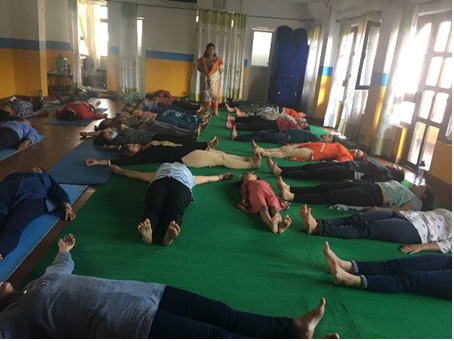
Exercise sessions conducted for mental stress relief. Photo: TPO Nepal Website
Dr. Thapa believes that service delivery remains weak because government investment in infrastructure and human re current conditions, we need a mental health OPD with a psychiatrist in every district hospital. However, both sanctioned positions and budgets remain severely insufficient,” she says
Compared to physical health, government investment in mental health remains minimal. Dr. Thapa notes that less than 1% of the total annual health budget is allocated to mental health. According to a policy brief published in May 2026 by HERD International, a research and development organization, only 0.2% of Nepal’s total health budget is spent on mental health
The Annual Report for FY 2024/25 published by the Department of Health Services highlights dependency on donors, project-centric initiatives, and the absence of long-term budgeting as major challenges to improving mental health care. ‘Mental health services remain a low priority for the government,’ the report notes
Dr. Adhikari, Deputy Spokesperson at the Ministry, disagrees that mental health services are restricted to a mere branch. “The government has prioritized mental health,” he says. “Plans are underway to advance this through dedicated legislation.”
Public health expert Sharad Wanta emphasizes that because social, cultural, economic, and political factors contribute to mental health issues, counseling and treatment should not be left solely to the medical field or the health sector. “Because the health sector cannot handle this alone, all stakeholders connected to the root causes of mental ill-health must take responsibility and address it through a broader public health lens,” he says
- Nepal’s Mental Health Care faces a crisis of access and accountability13 minutes ago
- The digital paradox: Nepal is connected, but not competitive41 minutes ago
- Siraha-Sarlahi section of postal highway in final stage1 hour ago
- Broad Peak tragedy marks sad episode in Nepal’s expedition history: UML1 hour ago
- Gold, silver prices drop in domestic market today1 hour ago
Related News
August 2, 2026
The digital paradox: Nepal is connected, but not competitive
August 2, 2026
Lock on knowledge: Kathmandu Valley Public Library left to stagnate
August 1, 2026
Timeline: The life and career of Nirmal “Nims” Purja
August 1, 2026
50 years of Manthan and its impact on Indian Cinema
August 1, 2026
The Rwanda model: What a nation rebuilt from ruin can teach Nepal
August 1, 2026
Obituary | Nirmal Purja, whose Himalayan feats rewrote mountaineering history, dies at 43
August 1, 2026
Seven decades of Nepal-China relations: A comprehensive timeline (1955-2026)

July 31, 2026
