


Florida leprosy cases reached a record. See where cases are being reported
Sun, August 2, 2026 at 11:30 AM
UpdatedSun, August 2, 2026 at 11:39 AM
 6VIEW ALL PHOTOS
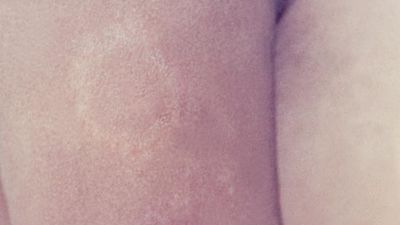
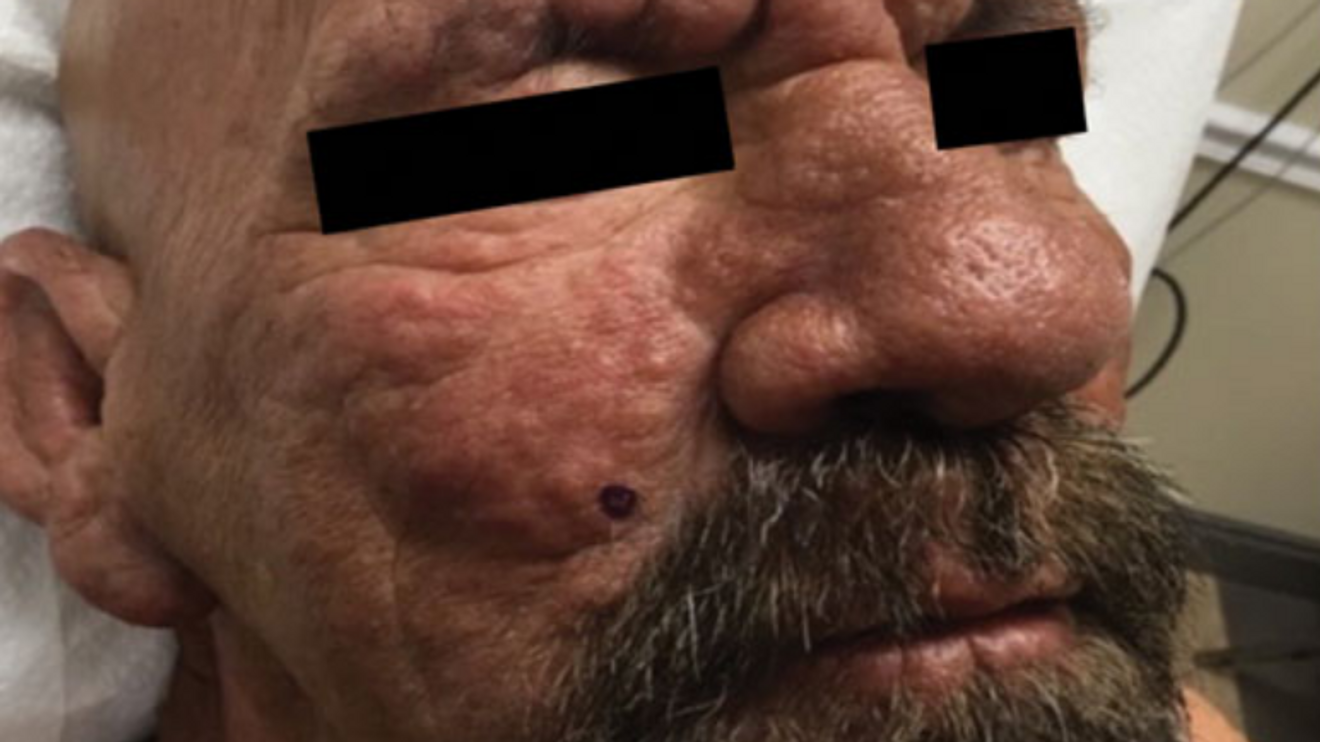
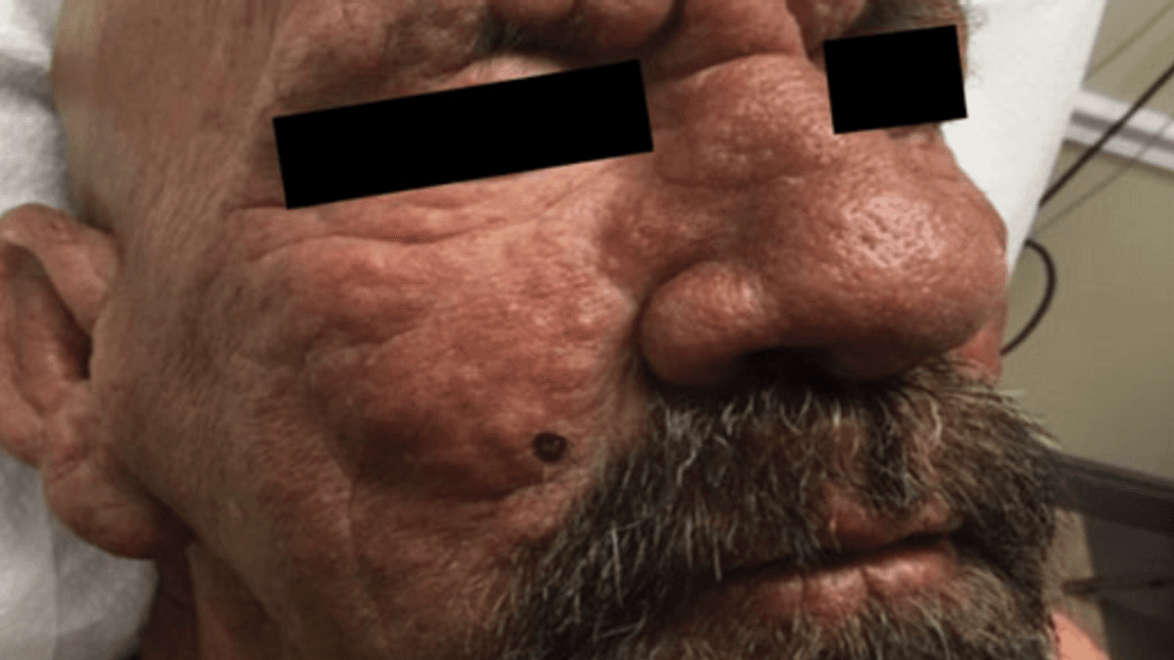
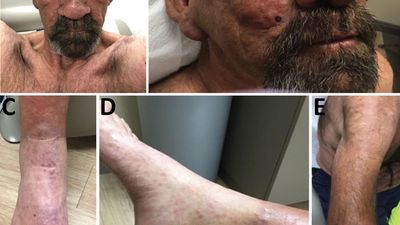
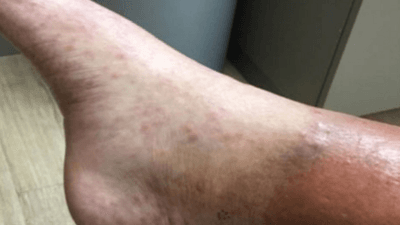
Clinical images show skin and soft-tissue changes associated with Hansen’s disease, also known as leprosy, affecting a patient’s face, arms, legs and feet. (Courtesy: CDC)
WEST PALM BEACH, Fla. (CBS12) —Florida reported more cases ofHansen’s disease, commonly known as leprosy, in 2025 than in any other year shown in the state’s modern disease database
But the infections were not spread evenly across the state
Florida Department of Health recordsshow 36 cases were reported in 2025, surpassing the previous high of 29 in 2015. Of the 36 patients, 27 were believed to have acquired the infection in Florida, one elsewhere in the United States and three outside the country. The
Another 17 cases had been reported across Florida in 2026 as of mid-July, according to preliminary state figures
The 2026 cases involved residents of Brevard, Charlotte, Duval, Highlands, Lake, Lee, Manatee, Miami-Dade, Okeechobee, Orange, Seminole, St. Johns, Sumter and Volusia counties
Those figures are based on each patient’s county of residence—not necessarily where the person encountered the bacteria or became infected
State health officials say cases are assigned to the county where a patient lived when the disease was identified, regardless of where the person was exposed, became ill, was hospitalized or received a diagnosis
What the data show in our area
Hansen’s disease remains rare in Palm Beach County and the Treasure Coast, according to finalized Florida Department of Health records available through 2024
Palm Beach County reported one case in 2024 and one in 2023. The county also reported one case in 2021, one in 2017 and two in 2015
St. Lucie County’s only case in the state’s 2015-2024 table was reported in 2019
Martin County reported two cases in 2016 but none during the following eight years. Okeechobee County reported one case in 2021, while Indian River County reported no cases from 2015 through 2024
A preliminary 2026 case has now been reported involving an Okeechobee County resident
Because Hansen’s disease can take years—or even decades—to produce noticeable symptoms, the county where a case is recorded does not necessarily identify where or when exposure occurred
Central Florida has recorded many of the cases
The state’s historical data show a heavier concentration in Central Florida, particularly in Brevard County
Brevard reported 20 of Florida’s 27 cases in 2020. The county also recorded 12 cases in 2019, nine in 2018, 11 in both 2015 and 2016 and seven in 2023
Volusia County reported five cases in 2023 and three in 2024. Polk County had three cases in 2024
Researchers have investigated whether Hansen’s disease is becoming endemic—or consistently present—in parts of Central Florida
Nine-banded armadillos can carry the bacteria that cause the disease and are considered one possiblefected armadillos as an uncommon
Researchers have also examined whether the bacteria can temporarily survive in soil, creating another possible environmental path of exposure
What is Hansen’s disease?
Hansen’s disease is caused primarily by the slow-growing bacterium Mycobacterium leprae. It can affect the skin, peripheral nerves, eyes and lining of the nose
- Possible symptoms include:
- Light, red or discolored patches of skin
- Numbness or loss of sensation
- Thick, stiff or dry skin
- Painless ulcers
- Muscle weakness or paralysis
- Enlarged nerves
- Eye problems
- Loss of eyebrows or eyelashes
The disease does not spread easily. Florida health officials say approximately 95% of people have natural immunity
Person-to-person transmission is believed to require prolonged, close contact with an untreated patient. It is not thought to spread through casual contact such as shaking hands, sitting next to someone or briefly sharing a room
Hansen’s disease is curable with a combination of antibiotics, although treatment can last one to two years. Delayed treatment can allow permanent nerve damage and disability to develop
What the numbers do—and do not—mean
Florida’s live reportable-disease database is preliminary. Case totals can change as health officials investigate reports, confirm diagnoses or reclassify patients
The state counts cases according to the date they were reported to the Department of Health, not necessarily the date symptoms began or a patient was exposed
Theannual dashboard currently contains finalized county figures through 2024. The newer 2025 and 2026 figures come from the department’s live Reportable Diseases Frequency Report
The available data also do not establish that Florida’s rising case count is the result of a single outbreak or a common source
Despite the increase, the overall number remains small in a state with more than 23 million residents. Health officials say Hansen’s disease is difficult to contract and can be cured when it is identified and treated
