


North Carolina’s first West Nile virus illness of 2026 reported: health officials
Wed, August 5, 2026 at 4:10 PM
UpdatedWed, August 5, 2026 at 4:19 PM
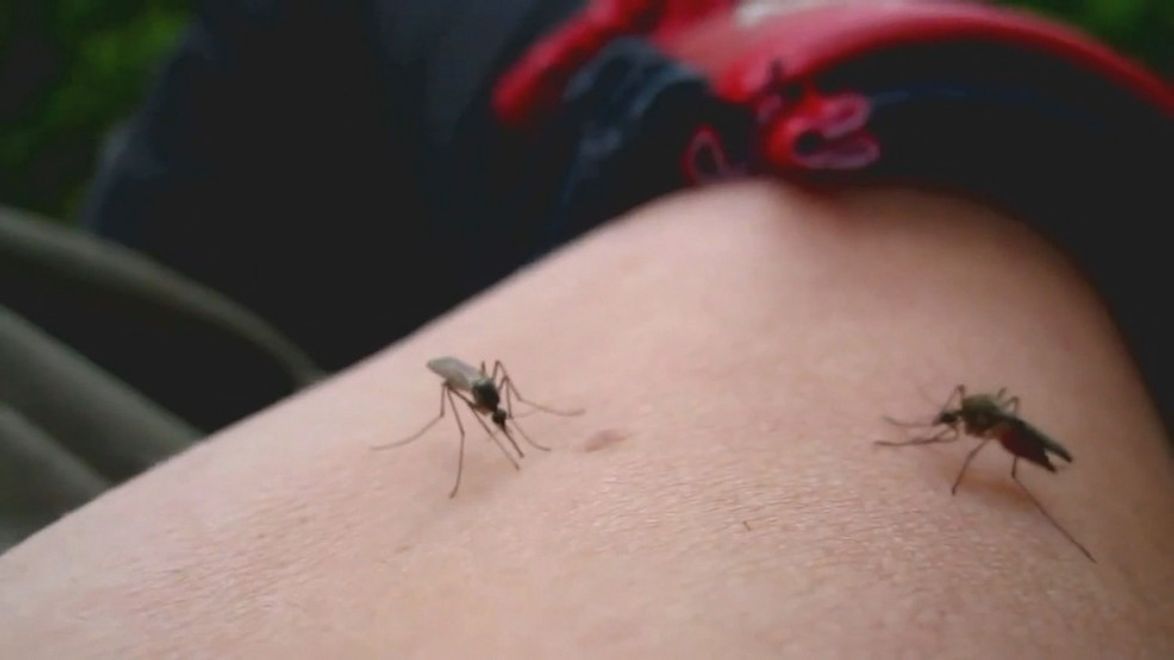
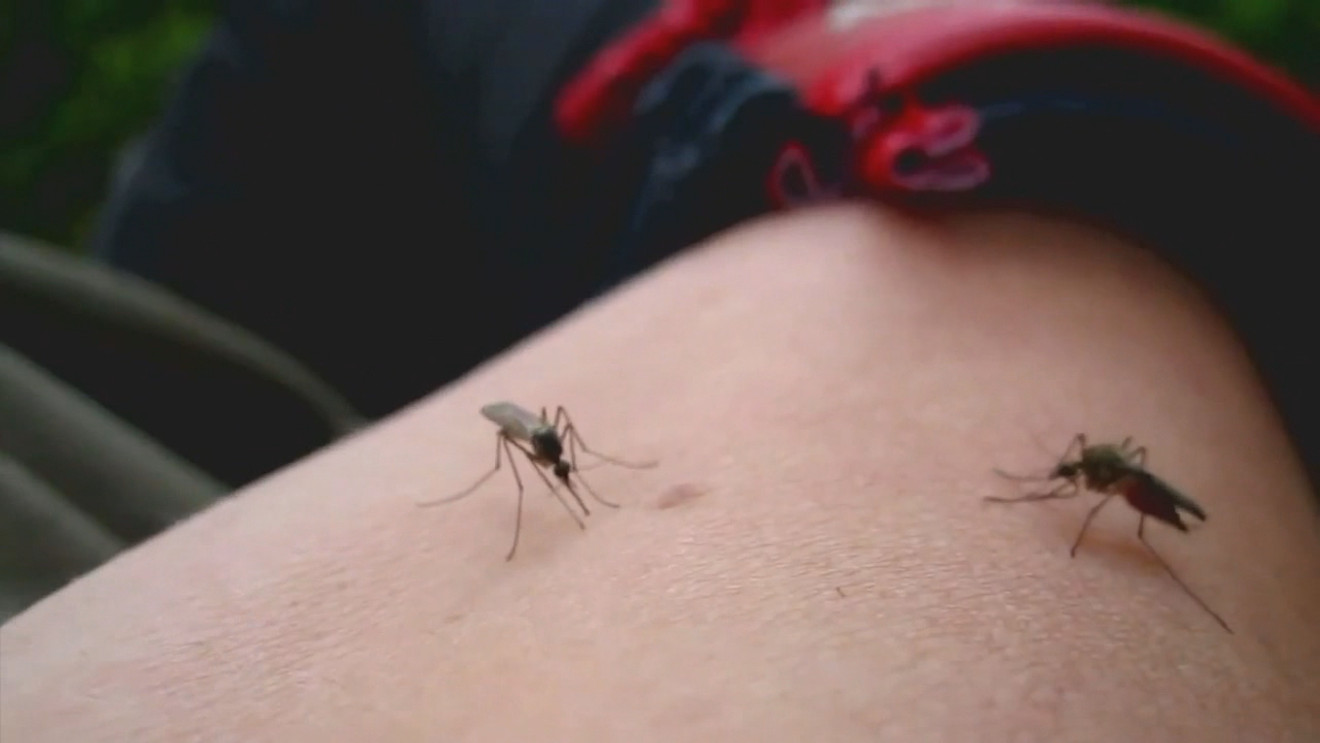
FILE – Mosquito. (Photo credit: WLOS staff)
RALEIGH, N.C. (WLOS) —The first case of disease associated with West Nile virus in North Carolina in 2026 has been identified, state health officials announced
In a press release Wednesday, the North Carolina Department of Health and Human Services (NCDHHS) said it is investigating the case, which occurred in a Gaston County resident. A West Nile virus-positive blood donor in Mecklenburg County was also identified through a routine screening, the department said
The NCDHHS said its Laboratory of Public Health also identified West Nile Virus in “multiple mosquitoes” collected in Cabarrus, Forsyth and Mecklenburg counties in July
CYCLOSPORIASIS CASES IN NORTH CAROLINA RISE TO 867, HOSPITALIZATIONS REACH 33
According to the CDC, West Nile virus is a disease that spreads through the bite of an infected mosquito. Infections occur during mosquito season, which typically ranges from June through October. The CDC said most infections occur in late August to early September
A majority of people infected with West Nile virus – around 80% – do not develop symptoms, according to federal health officials. Those who do experience symptoms, however, develop flu-like symptoms such as fever with headache or body aches, joint pain, vomiting, diarrhea or rash
Less than 1% of people infected with West Nile virus face severe, life-threatening illness that can affect the central nervous system. Elderly people and those with compromised immune systems face a higher risk of developing severe symptoms
AS CYCLOSPORIASIS CASES RISE, SHOPPERS TAKE EXTRA PRECAUTIONS WITH PRODUCE
The NCDHHS recommends the following tips to reduce the risk of exposure to the virus:
- Use mosquito repellent. Find an EPA-registered repellent and apply according to the instructions. Use these repellents after sunset, as mosquitoes typically feed after sunset and until dawn.
- Prevent water from collecting in containers around your home.
- Keep gutters clean and maintained.
- Ensure rain barrels have a tight-fitting screen or lid.
- Use EPA-approved larvicides on standing water in containers and low areas around your home.
- Drain any standing water around your home when possible.
- Use screened windows and doors.
