


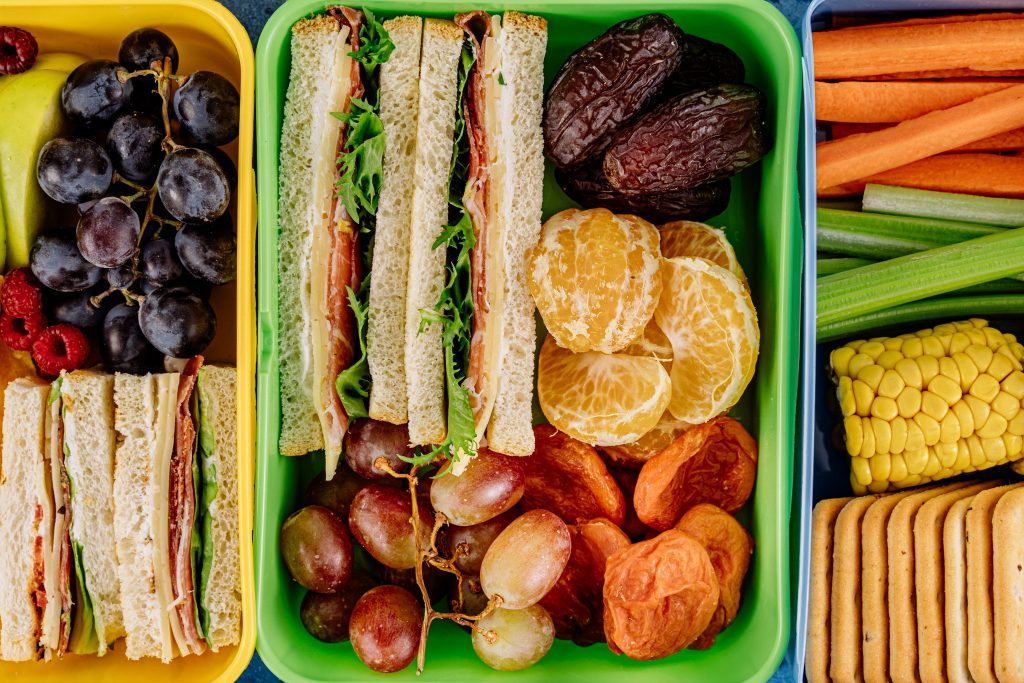
Healthy diets help children learn, and healthy eating habits have benefits that carry into adulthood. Parents can help establish these habits by packing the lunches their kids take to school, but with rising inflation, doing so without unduly draining the wallet can be challenging
“Grocery prices are certainly an issue for families — and healthier foods can sometimes be more expensive,” said Registered Dietitian Nutritionist (RDN) and Virginia Tech nutrition and exercise expert Brenda Davy She offered ideas for assembling low-cost lunches that don’t sacrifice variety. She also explained why it’s important to avoid ultra-processed foods when shopping for lunch box items.
Fruits and vegetables
“Seek out fruits and vegetables that are in-season, as they are often much less expensive. For example, apples may be a very economical option in the fall, and smaller ‘lunchbox size’ apples are a perfect size for young children’s lunchboxes. Shopping for locally produced items can also be economical,” Davy said
Peanut butter snacks
“Choosing store-brand natural peanut butter — that contains only peanuts or peanuts with some salt — is a nutritious option that provides protein. The natural-type peanut butters are also a great swap for the ultra-processed peanut butters — which include most of our popular national brands. Peanut butter with celery, or PB&J sandwiches made with whole-wheat bread and a low- or no-sugar jelly or fruit spread, are quick and healthy lunch items for kids,” she said
“Wraps made with a whole-wheat tortillas, bananas, and natural peanut butter are also a good nutritious option.”
Be cautious with fruit juices
“Applesauce and other fruit purees can be shelf-stable options for kid’s lunches — but it is helpful to check labels to be sure they don’t include any added sugars. Rather than juices or sugary drinks, having kids pack a reusable water bottle with lunches can provide fluids which are important for staying hydrated and mentally alert,” Davy said
With snack mixes, check labels or make your own
“Nuts and seeds are a great option for providing energy and healthy fats — many store brands are available that have either no added ingredients or just a light amount of salt. Dried fruits can also be a nutritiouse sticks can provide protein and calcium, but it’s wise to check food labels so that options with a lot of commercial food additives typical of ultra-processed foods can be avoided,” she said
“Although home cooking can be time-consuming, kid favorites like trail mix or snack mixes made with nuts and raisins or other dried fruits can be made at home relatively quickly and easily.”
How important is it to avoid ultra-processed foods when packing school lunches?
“Healthy dietary habits are ideally established early in life, as they may set the stage for kid’s lifelong food preferences. Kids also become more independent in their food choices as they get older, so packing lunches is an opportunity for parents to help their children adopt healthy dietary habits outside of the home setting. Overall dietary quality is poorest among U.S. children and adolescents aged 5-18 years compared to other child and adult age ranges, and kids in this age range also have the highest ultra-processed food consumption across all U.S. age groups. Ultra-processed foods represent 60% or more of their total calorie intake,” Davy said.
“In children, research has linked high ultra-processed foods consumption with numerous health problems including tooth decay, depression, anxiety, obesity, and poorer cognition. Research in adults has associated ultra-processed food intake with increased risk of type 2 diabetes, cardiovascular disease, cancer, and mortality.”
Brenda Davy is a professor and RDN in the College of Agriculture and Life Sciences’Department of Human Nutrition, Foods, and Exercise at Virginia Tech. She studies the role of diet and physical activity in the prevention and treatment of obesity and related conditions, beverage consumption, and weight management. Her current research focuses on the influence of ultra-processed food consumption on type 2 diabetes risk and eating behaviors, water consumption, and weight control
Interview
To schedule an interview with Davy about inexpensive school lunches, email mediarelations@vt.edu.
Contact:
Virginia Tech Media Relations
