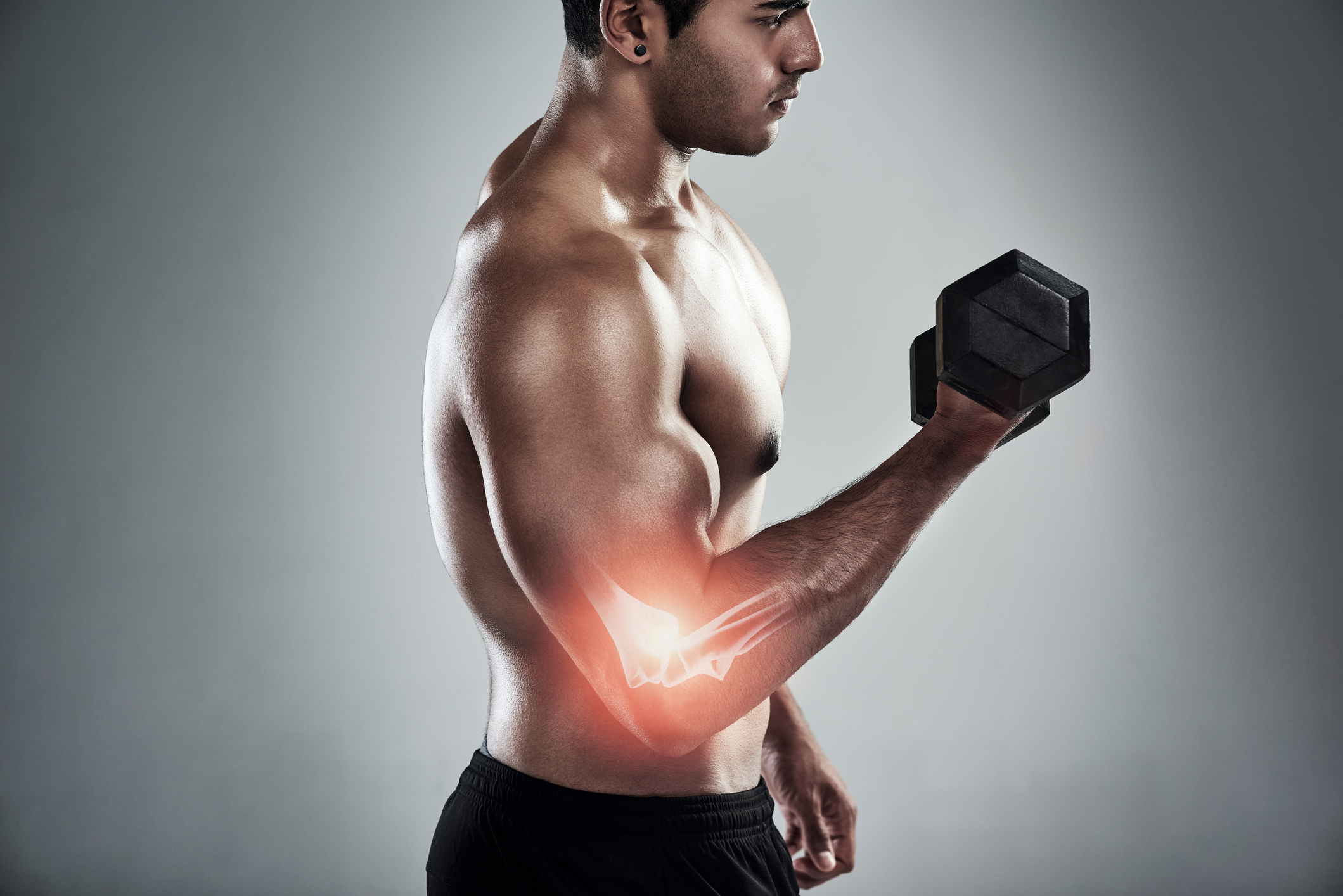
Osteoporosis isn’t just a women’s health issue. Experts explain why strength training, walking and balance work can help protect your bones and reduce your risk of fractures as you age
Osteoporosis is a silent systemic disease often diagnosed only after a bone fracture has occurred. According to the most recent report, musculoskeletal conditions – that includes osteoporosis – are widespread among men and raise serious risk
The report, published in February, reveals something specialists in this area know only too well – and that is that exercise reduces the risk of musculoskeletal disorders by 40% in men over 50. With that in mind, we spoke to some medical experts about the health condition and how men can help themselves by incorporating fitness into their daily lives
“Osteoporosis is often thought of as a women’s disease, but that misconception has left many men underdiagnosed and undertreated,” explained Dr. Strickland – who is board certified by the American Board of Orthopaedic Surgery and is an active member of leading professional organizations including the American Academy of Orthopaedic Surgeons (AAOS) and the American Orthopaedic Society for Sports Medicine (AOSSM)
“Approximately two million men in the United States have osteoporosis, and millions more have low bone density
“Many of the same risk factors apply to both men and women, including inadequate weight-bearing exercise during adolescence and early adulthood—when peak bone mass is built—being naturally thin or underweight, smoking, excessive alcohol use, low testosterone, certain medications, and medical conditions that interfere with nutrient absorption or bone metabolism,” she added
“Exercise is one of the most powerful tools we have to protect bone health because bone responds to mechanical load. The best exercise program includes progressive resistance training, weight-bearing activities, balance work, and core strengthening
“I encourage patients to prioritize:
• progressive strength training, including squats, lunges, deadlifts, and upper-body resistance exercises
• Weight-bearing activities such as brisk walking, hiking, stair climbing, jogging, or racquet sports when medically appropriate
• Balance and stability exercises to reduce fall risk
• Hip and core strengthening to improve overall function and decrease fracture risk
“Swimming and cycling are excellent for cardiovascular health, but because they are not weight-bearing, they should complement – not replace – strength training and impact exercise when bone health is the goal
“The good news is that it’s never too early – or too late – to invest in your bones. Building peak bone mass early in life and maintaining muscle strength throughout adulthood are among the most effective strategies for reducing the risk of osteoporosis and fractures later in life.”
Not just for women
In agreement is Milica G. McDowell, a Doctor of Physical Therapy with over 20 years of experience, who also points to the fact that men are as prone to women as getting it
“Osteoporosis used to be seen as associated with female aging, but it also affects men, and surprisingly more severely than women. 30% of hip fractures from falls occur in men, and a man is 2x more likely to die in the first year following the fall than a woman is. (31% mortality rate for men, 17% mortality rate for women) 31,000 hip fractures result in death as little as 6 months from a hip fracture, yet the conversation is often focused only on preventing falls and fractures in women,” she explained.
“Men don’t want hip strength and bone density to be a blind spot, and it’s easy to make a small shift in focus while training to make sure you are offsetting fall risk and have strong hips, glutes and back muscles to fortify your skeleton, for life. Resistance training can boost your bone density, making those bones more able to tolerate stressors whether that’s a fall, a trail run, or the stress of finally kicking your boss’s butt at pickleball.”
A 2026 systematic review (the type of research that evaluates other research) found that 60-90 minute sessions of heavier, low rep, focused resistance training increased bone density in both the lumbar spine and femoral neck (think your low back and your hip)
“You want to load your posterior chain, work on hip extension and not forget to do walking movements and single leg loaded lifts (since walking, jogging and running are all essentially single leg movements/ repeatedly!)
“These longer sessions are the ones that show the bone mineral density gains, so yes, it’s a long session, but you can focus on high load, long rest and not high reps (high reps/low weight doesn’t move the needle on bone density). Add 5-10 lbs monthly depending on your starting weight and rotate and use variations of the exercises to avoid plateau and burnout/fatigue.”
Get the plan
As for a workout plan to follow, one of the world’s leading Neuromusculoskeletal Medicine/Osteopathic Manipulative Medicine physicians, Dr. Jonathan Bruner advises on a good exercise routine to follow
“Depending on the severity of the disease, the biggest concern is from people with osteoporosis is falls. Fractures commonly occur in the spine (from compression), hip (from direct trauma), and/or arm (attempting to stop the fall). Spinal and hip fractures are particularly concerning due to their high mortality rates. The good news is that with some strategic exercises, these fractures can be prevented.”
Exercises to Improve Bone Density
Weight-bearing exercises promote osteoblast activity, leading to more production of bone
These can include:
1. Standing from a seated position
*Find a firm chair like a dining room chair with arms
*Attempt to stand
*You may use your arms if needed at first, but the goal is to be able to stand up from a seated position using only your legs
2. Wall Push-ups
*Find a stable wall and put your arms at chest level, about shoulder-width apart
*At first, keep your feet a couple of feet from the wall as you lower your chest toward the wall
*Then extend your arms to bring your body back to the starting position
*As you get stronger, you can start to move your feet farther from the wall for more of a challenge
3. Walking
*It is important to have good, supportive walking shoes
*Aim for 30-60 minutes, 3-5 days per week, but any amount will be of benefit
4. Weight lifting
*If new to this, I highly recommend starting with machines and a personal trainer to minimize any injury. You’ll want to do low weight with high repetitions to ensure you’re not putting too much strain on your bones
*There are many different options for weight lifting that your personal trainer can guide you through
*Find a personal trainer that has experience working with osteoperotic patients
Exercises to Prevent Falls
In addition to promoting strong bones, it is important to feel grounded and limit falls
1. Mobility
*Spine – Cat/Cow
*Hip – Hip Circles
2. Balance
*Standing on one leg
3. Yoga
*A fantastic option that combines all of these exercises and more! If you are new to Yoga, make sure you find a studio that is familiar working with osteoperotic patients to ensure you are doing the correct exercises with the correct form
About
Suzanne Baum is an award-winning journalist and lifestyle presenter with expertise across fitness, health, beauty, news, fashion and celebrity. With a strong media background of over 20 years experience, Suzanne has written and held senior editorial roles across numerous magazine and newspaper titles, as well as lifestyle outlets.
With a passion for wellness and sport, Suzanne regularly writes and edits shopping pages and product reviews featuring everything from the best anti-ageing products to the latest fitness fashion. Her knowledge and authentic journalism has given her an excellent reputation in the industry.