


Over a year ago, Times of Malta wrote, in the context of obesity, that: “Too often, the public health sector is firefighting instead of planning with foresight”. Crisis management means that we lurch from one solution to another, creating entities, forging partnerships with the private sector, endless initiatives – but the approach is piecemeal and the poor results speak for themselves
In spite of everything said and done by politicians, a report by the National Audit Office in 2023, and endless debates on taxation on unhealthy products, Malta remains stubbornly at the top of European obesity rankings. The World Health Organisation found 75% of Maltese men and 60% of women were overweight, with equally pessimistic childhood obesity rates
Obesity is a complex issue, from a poor diet, to lack of exercise, and even genetics. There is not much that can be done about the latter, but there is a common thread underlying the first two: we are talking here about behaviour and personal choices, issues that are by no means limited to Malta. This is why it is so refreshing to read about a University of Malta research project which looked into practical ways to improve what people eat
The study proved how effective hands-on cooking and nutrition education could be, using a proper scientific approach including control groups
Those who were recovering from obesity were given a six-week course, which in itself defines that the hard work starts after the original, tough decision to lose weight: the equivalent of overcoming denial but then having to work at it every single day of the rest of your life…
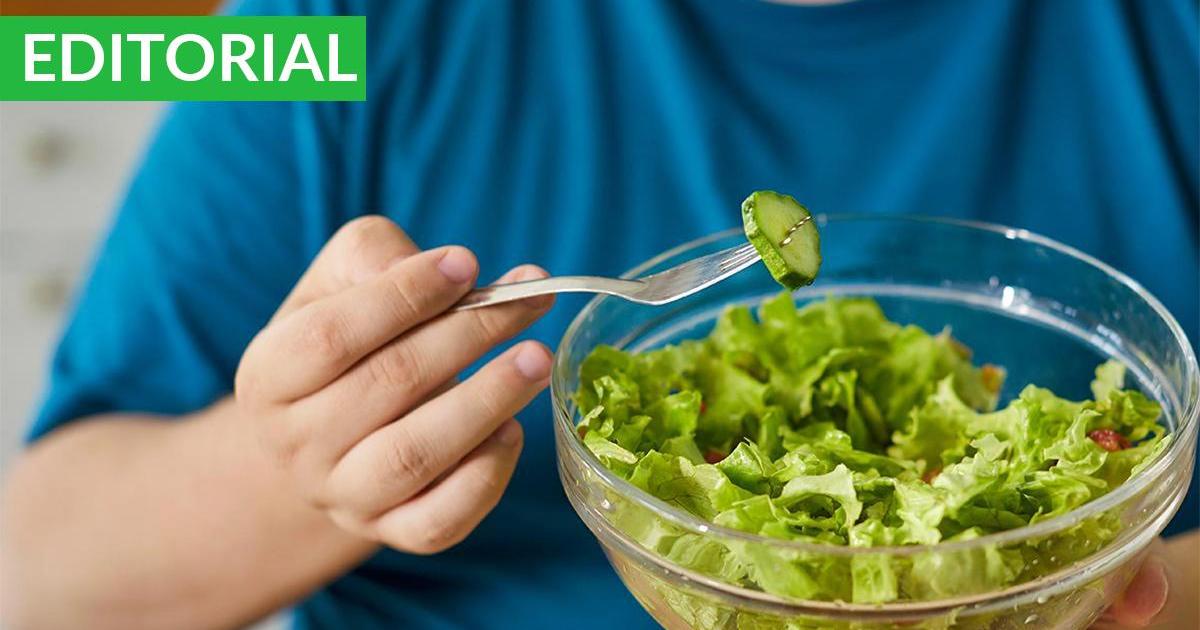
The results were truly encouraging: those who completed the programme became far more confident with cooking and food preparation practices, among other things. Eating zucchini? Using cauliflower rather than potatoes? These small steps matter, sometimes far more than grand gestures, with national entities, highly paid staff, strategies and policies
Perhaps teaching people how to cook is just as effective, just as good a place to start
The study recommends extending the approach across the community, through partnerships with local councils, schools and NGOs. It also suggests reaching out across segments of the population and to those at various stages of life, from families and older adults to those with chronic health conditions
One statement deserves to be highlighted: “addressing obesity through skill-based, empowering approaches that go beyond information provision to provide lifelong competencies with relevance for personal health and national well-being.”
Whatever is done, we cannot wait any longer. Malta has failed to make real inroads against obesity
There was a brief ruffling of feathers when seven people died from obesity in 2024, but it is not only about death but also quality of life, mental well-being and even life expectancy
Obesity significantly increases the risk of developing diabetes, high cholesterol, hypertension, and cardiovascular disease – all of which can lead to life-threatening conditions including strokes, heart attacks, and arterial disease
The NAO had warned that in spite of various initiatives, the problem had refused to go away, and that strengthened political will was needed to put this on the agenda across all sectors of government
Successful as this research was, this is not a fight that will be won with one punch. This is a long-term problem – and an unpopular, inconvenient one, that does not confer instant success for politicians or others who attempt to tackle it
As the NAO said, throwing money, legislation and expertise at the problem will not work while there is “incoherence in the wider policy framework, shortcomings in policy implementation and inconsistencies between policy frameworks and major projects design”.
This study was just a small glimmer of hope, rooted in science. Step by step, one person at a time
