


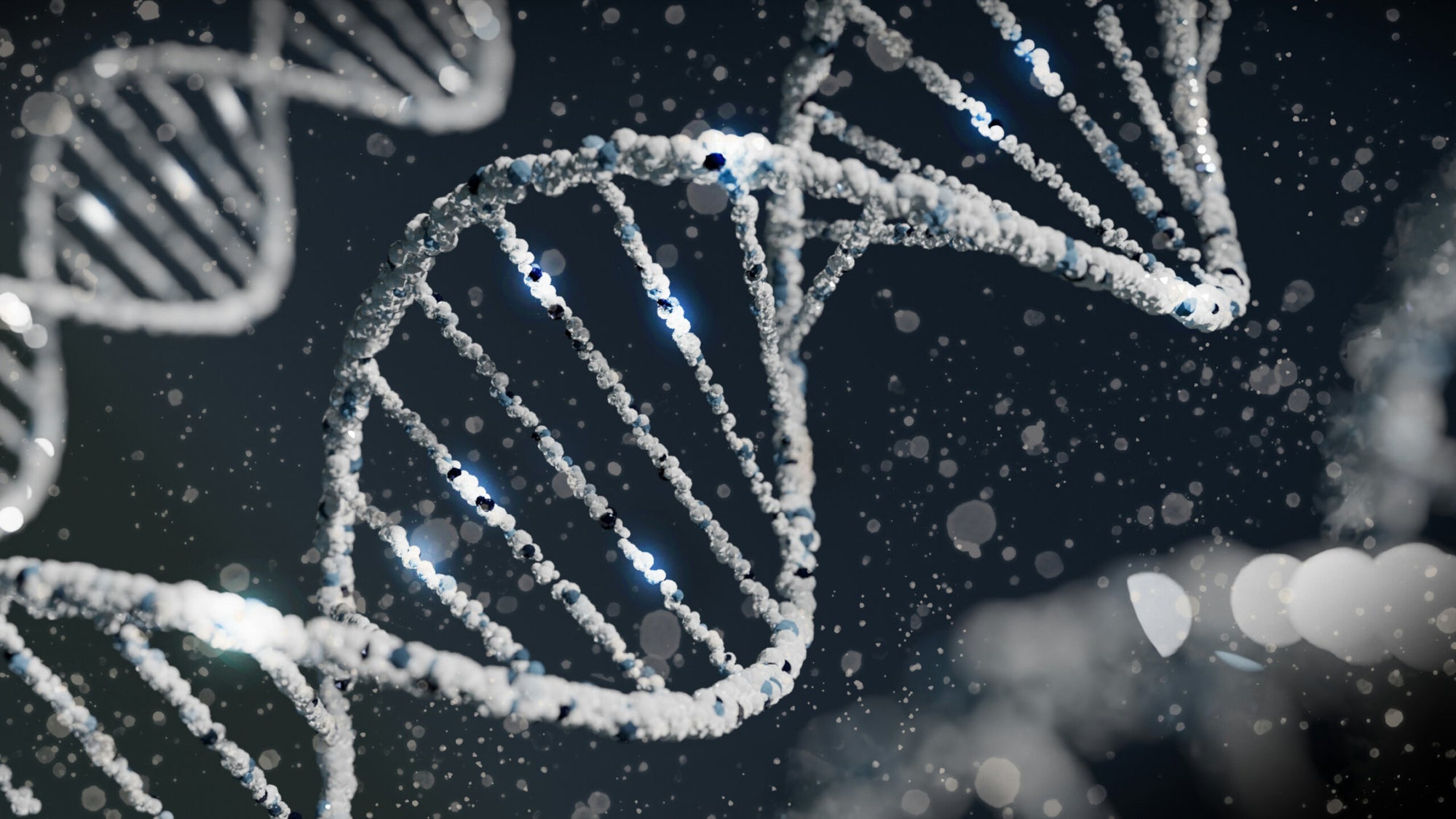
“Burn fat, build muscle.” It’s a familiar workout slogan, but the benefits go far beyond aesthetics. Having less belly fat and more muscle guards against heart attacks, Type 2 diabetes, and a host of other metabolic diseases
Some people may have a genetic edge
A massive study of over one million people across three continents discovered a rare mutation in a gene called FNIP1 is linked to a healthier metabolic profile. The gene helps cells sense nutrients and generate energy. All of us have FNIP1, but about one in 7,000 people inherit a protective version. On average, they had a 60 percent lower risk of heart disease and metabolic disorders
Silencing FNIP1 in human liver cells switched on a genetic program that breaks down fats. In mice fed a tasty but high-fat diet, disabling the gene curbed weight gain, prevented fatty liver disease, improved insulin sensitivity, and kept their blood sugar levels steady
The findings are great news for everyone else. Rather than relying on a naturally occurring mutation, future gene editing therapies could potentially recreate its protective effects in people against a host of cardiometabolic diseases, a leading cause of death worldwide
Everyone has a unique metabolic profile shaped by both genes and environment. By analyzing diverse populations, the study fished out a protective variant that spans ancestries and lifestyles. The broad reach suggests targeting FNIP1 could benefit people around the world
The study illustrates the power of efforts to find rare, beneficial genes across large populations, wrote the authors at Regeneron Pharmaceuticals, a New York biotechnology company
Mutant Protector
Small changes in DNA can have large consequences. Some genetic variants raise the risk for health issues. The APOE4 variant, for example, increases the chances of developing Alzheimer’s disease. Others, however, are a gold mine for new treatments
A notable example is CCR5. People who inherit a rare mutation in both copies of thegene are naturally resistant to HIV. The mutation prevents the virus from tunneling into immune cells and replicating. The discovery has led to multiplesuccess stories in which bone marrow transplants from donors carrying the mutation kept HIV at bay, without the need for lifelong antiviral drugs
Protective mutations could also lower the risk of heart disease. Rare variants of PCSK9, a gene involved in cholesterol metabolism, disable the gene and slash dangerously high levels of LDL, or “bad” cholesterol that clogs arteries. The discovery has already spurred a handful of therapies that block the gene or its protein with early successes
“Identifying genetic variants associated with protection from disease is a powerful strategy,” wrote the authors. “However, protective genetic variants are often extremely rare, so finding them requires sequencing the genomes of large populations.”
Go Big
To better understand cardiometabolic diseases, the team sequenced the genomes of over a million people from 11 studies across the Americas, Europe, and Asia, including people with African ancestry. They also linked genetic data with participants’ health records
The researchers searched for gene variants that influence a blood biomarker for cardiometabolic disease. Called TG:HDL, the biomarker is the ratio between two types of fats. The first, triglycerides, is packaged into tiny “bubbles” that circulate the bloodstream. High levels are linked to heart attacks, strokes, and other metabolic problems. In contrast, high-density lipoprotein, often called “good” cholesterol, ferries excess fat away from tissues and blood vessel walls to the liver, where it can be cleared.
Across the populations in the study, a lower TG:HDL ratio—that is less TG, more HDL, or both—tracked with better metabolic health. People with lower ratios had reduced insulin levels, lower blood pressure, and less fat buildup in the liver and muscles. The biomarker also predicted diabetes risk, heart problems, and liver scarring, making it a powerful snapshot of overall metabolic health
Be Part of the Future
Sign up to receive top stories about groundbreaking technologies and visionary thinkers from SingularityHub.
100% Free.No Spam.Unsubscribe any time.

The team then scanned the genome for rare gene variants linked to TG:HDL. Roughly 60 genes popped up, all involved in energy storage and active in the liver and fat tissues
But one gene stood out: FNIP1. Rare variants essentially disable the gene by disrupting its protein-making instructions. People with one copy of these variants had lower liver fat and blood sugar and roughly 60 percent lower risk of cardiometabolic disease
The finding “was remarkable and thought-provoking, and immediately motivated us to dig deeper into the biology of this discovery,” wrote the team. But a key question remained: Were the variants actually protecting people, or were they simply correlated with better health?
To find out, the team silenced the gene in human liver cells using a method called siRNA. Rather than snipping the gene, siRNA blocks cells from producing targeted proteins. Without functional FNIP1, liver cells ramped up genes involved in breaking down fats
The researchers then turned to mice. Using CRISPR-Cas9, they got rid of FNIP1 and related signaling pathways specifically in mice fed a high-fat, high-sugar diet. The intervention rapidly activated mitochondria—the cell’s energy factories—and lysosomes, the acid-filled recycling centers that break down waste. Despite gorging on the unhealthy diet, mice lacking functional FNIP1 had less body and liver fat, more muscle mass, and better sensitivity to insulin
That’s not to say FNIP1 is a “villain” gene. Normally, it acts as a metabolic brake, helping the body conserve precious energy when food is scarce. But many of us now face the opposite problem, an abundance of calories and not enough physical activity. Releasing that brake, through medication or gene editing, could rev up the body’s natural fat-burning machinery
Turning the finding into a therapy won’t be simple. The protective effects were found in people who carried the mutation from birth. A short-term drug or gene therapy delivered later in life might not reproduce the same effects
Safety is another major concern. Paradoxically, people who have mutations in both copies of FNIP1 develop heart disease and immune deficiency. And mice without functional FNIP1 throughout the body are more prone to liver damage and cancer. Targeting treatments specifically to the liver—for example, using lipid nanoparticles—could limit side effects, but any potential therapy will need to be thoroughly tested for safety
The team is searching for drug candidates that inhibit FNIP1. But for now, they’ve shown the power of large-scale genetic screens across diverse populations to find rare protective variants—and potential paths towards treating diseases that affect millions of people
“Identifying FNIP1, a previously poorly characterized gene involved in lipid metabolism, is highly novel and promising for future drug development for metabolic health,” Satoshi Koyama at the Broad Institute, who was not involved in the study, said in a research briefing. “I sincerely hope that this discovery will one day benefit patients with metabolic disorders.”
Genetics
Shelly Fan
Shelly Fan
Dr. Shelly Xuelai Fan is a neuroscientist-turned-science-writer. She’s fascinated with research about the brain, AI, longevity, biotech, and especially their intersection. As a digital nomad, she enjoys exploring new cultures, local foods, and the great outdoors.
Related Articles
Why Do Some People Never Get Cancer? The Answer May Be in Their Blood
Shelly Fan
Aug 06, 2026

Scientists Find a Surprising New Way Stress Cascades From Brain to Body
Shelly Fan
Jul 14, 2026

How the Bilingual Brain Switches Languages With Ease
Shelly Fan
Jul 06, 2026
Science
Why Do Some People Never Get Cancer? The Answer May Be in Their Blood
Shelly Fan
Aug 06, 2026
Science
Scientists Find a Surprising New Way Stress Cascades From Brain to Body
Shelly Fan
Jul 14, 2026
Science
How the Bilingual Brain Switches Languages With Ease
Shelly Fan
Jul 06, 2026
What we’re reading
