


Researchers at Waseda University in Japan tested two weeks of the sulforaphane (SFN) precursor supplementation compared to placebo in a crossover study involving 14 healthy participants completing maximal exercise
“These findings suggest that short-term SFN supplementation may mitigate exercise-induced muscle damage and oxidative stress, suggesting a modest influence on the circulating biomarkers associated with muscle damage without altering the endurance capacity of healthy people,” they wrote
They noted that the supplement may be a non-invasive strategy to modulate acute responses to exercise, but more research is needed before recommending it as a regular supplement for physically active people
SFN is an isothiocyanate, a natural, sulfur-rich compound found in cruciferous vegetables such as broccoli, kale, and cauliflower. As a bioactive compound, sulforaphane has been studied extensively for its potential therapeutic effects
It has anti-inflammatory and antioxidant properties, and researchsuggests it may be beneficial for cancer, type 2 diabetes, and brain health
Additionally, broccoli seed extract has been reported to increase SFN levels during exercise
EIMD involves inflammation and oxidative stress induced by prolonged or intense exercise, affecting athletes’ exercise tolerance and recovery. Antioxidant supplementation may help to address excessive production of reactive oxygen species and restore redox balance
In the current study, the researchers assessed biomarkers of muscle damage and oxidative stress to evaluate sulforaphane’s ability to improve antioxidant defenses and attenuate EIMD
The double-blind, placebo-controlled crossover study involved 14 healthy participants aged 21-30 who were recreationally active. They completed two intervention periods in which they consumed a sulforaphane glucosinolate capsule or placebo for two weeks, separated by a three-week washout period, before crossing over to the alternate treatment in the second trial
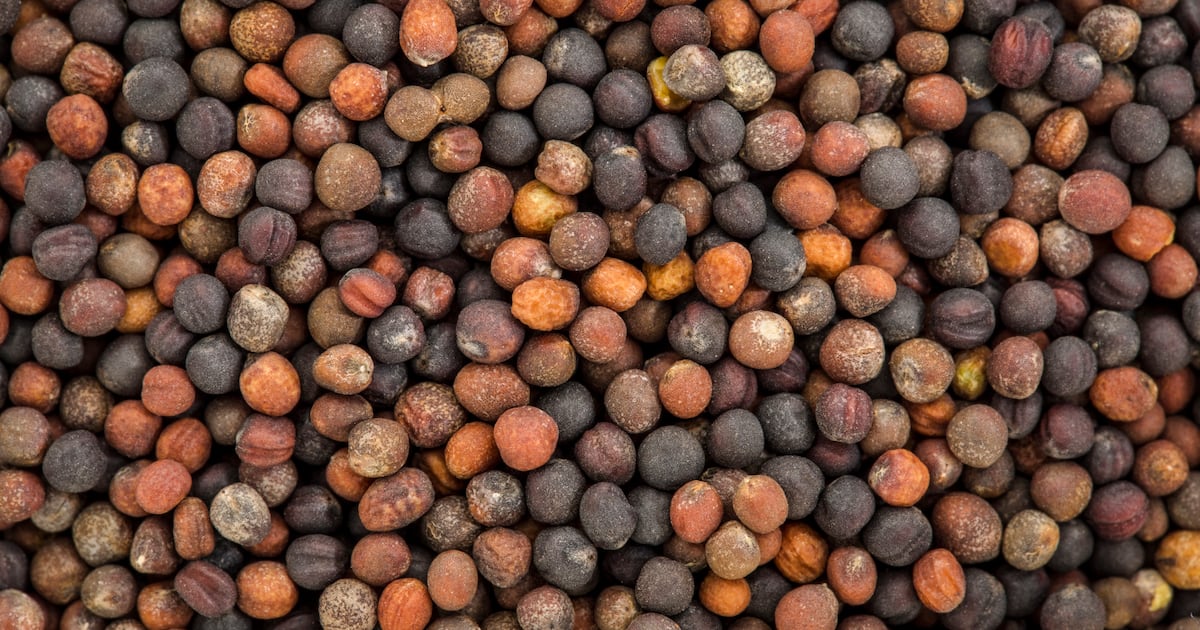
The supplement contained TrueBroc broccoli seed extract (Brassica Protection Products, USA) standardized to 13% glucoraphanin, together with mustard seed powder as a naturalto SFN. The test capsules were supplied by Murakami Farm Co., Ltd., who funded the research
Researchers collected blood samples before and immediately after supplementation and two hours after maximal exercise using a cycle ergometer to induce oxidative stress
The findings showed that sulforaphane supplementation did not change the participants’ endurance capacity or blood cell counts
However, it did significantly lower serum creatine kinase (CK) activity and myoglobin (Mb) concentration following exercise – these are both markers of muscle damage and oxidative stress
The researchers found some beneficial changes in reactive oxygen metabolites and antioxidant markers. They noted that this indicated that the supplement “may modulate the acute oxidative response to exercise, while supporting endogenous antioxidant defenses.”
The study acknowledged that the findings are preliminary and that larger studies with extended follow-up are needed to define the relevance of SFN to exercise-related redox regulation
