


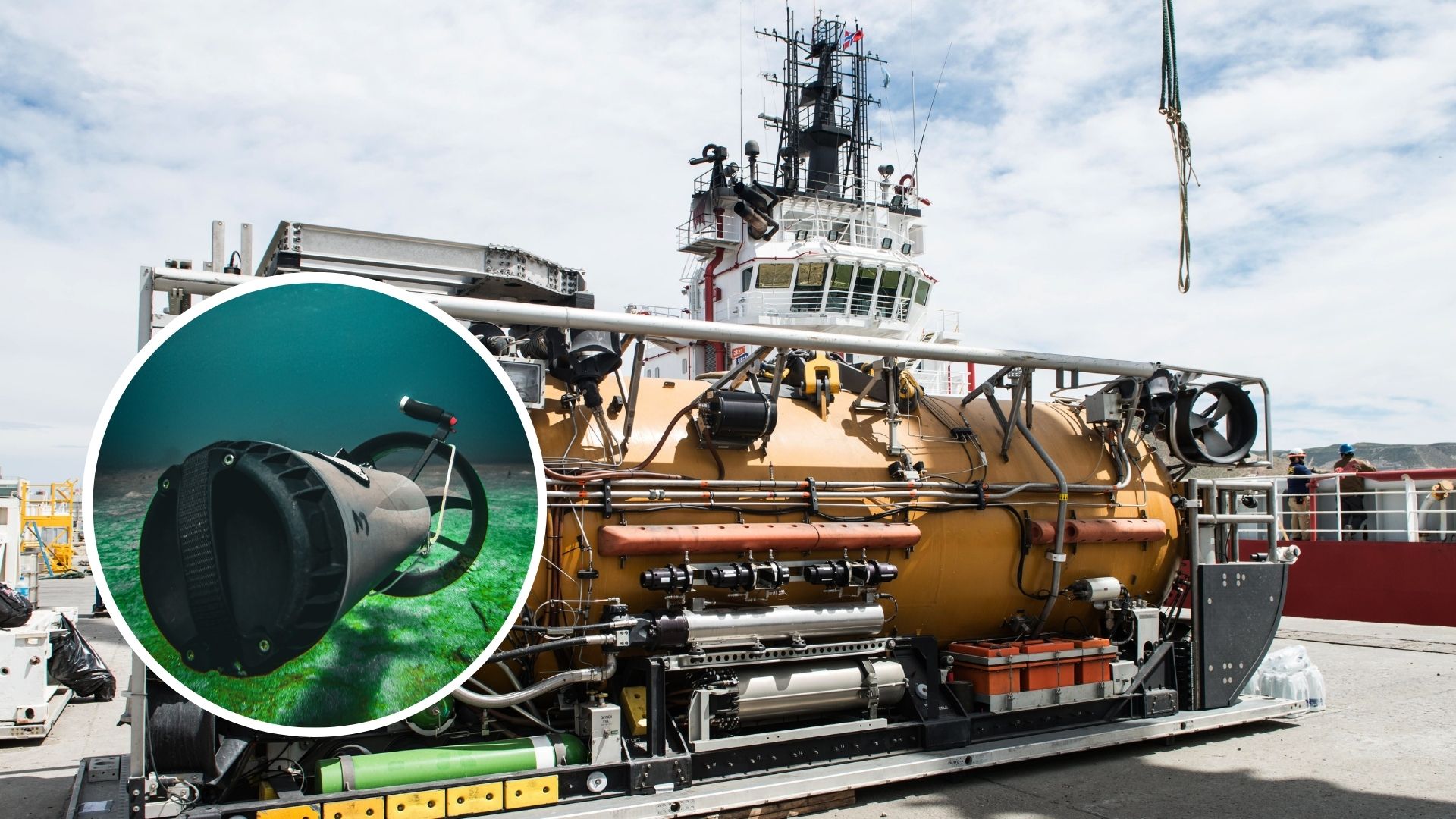
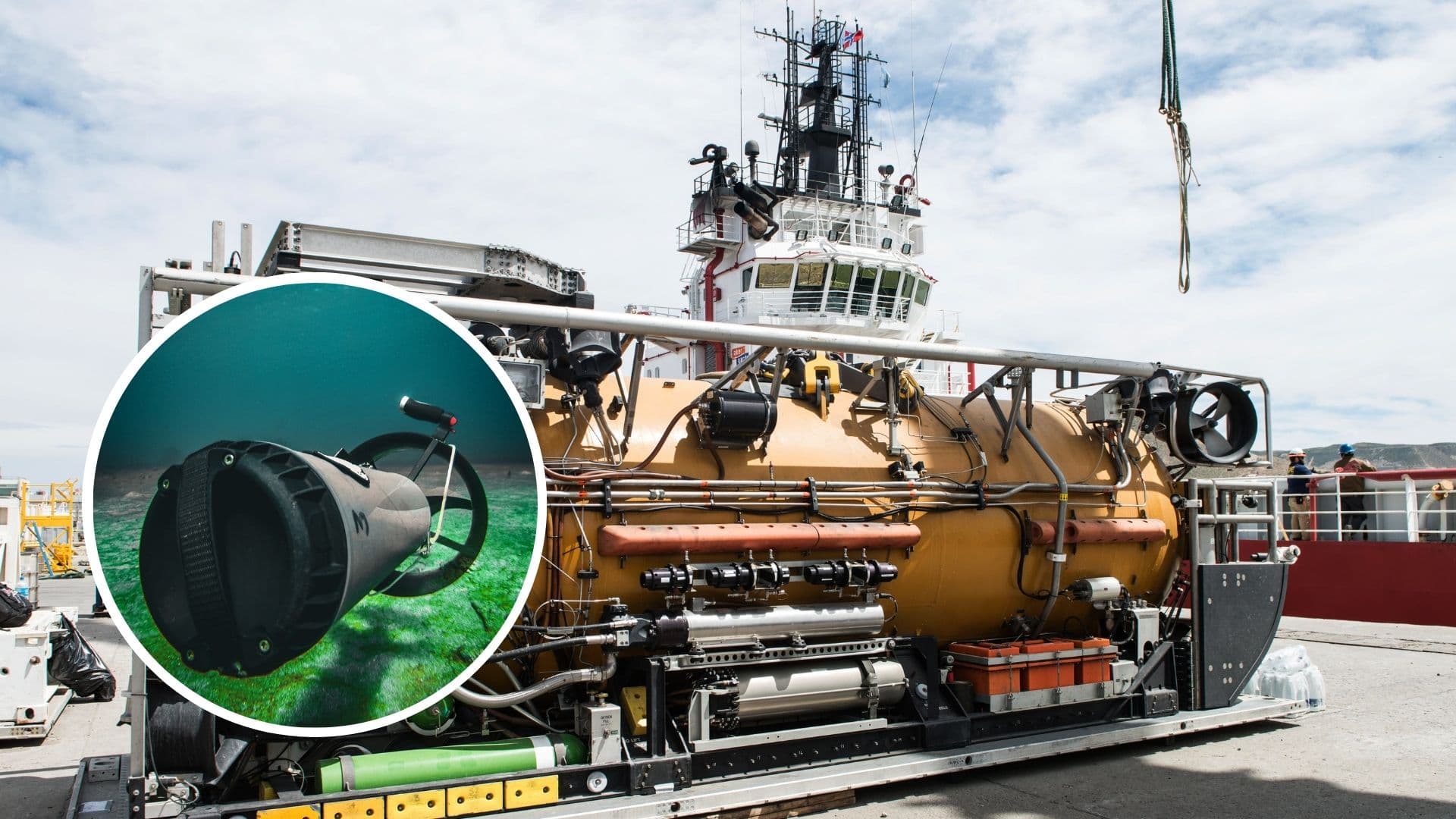
Autonomous undersea systems have showcased immense warfare power during the Exercise Rim of the Pacific 2026 (RIMPAC 26), the world’s largest international maritime exercise. Australia and the United States successfully tested AUKUS Pillar II subsea and seabed warfare capabilities during the exercise.Paul Clark , Directorate of Undersea Warfare and Data Commander, stated that RIMPAC demonstrated how AUKUS Pillar II was helping its partners work together to rapidly develop and integrate advanced capabilities.“RIMPAC gives us a valuable opportunity to bring together people and capabilities in a real-world environment,” said Commander Clark.“Continually testing these capabilities helps us better understand how they operate in challenging conditions. We are able to accelerate their development through collaboration with AUKUS partners.”
Subsea capabilities were deployed and tested
As part of the activity, United States Navy subsea capabilities were deployed and tested alongside Australia’s autonomous and remotely operated undersea vehicles from the Australian Defense Vessel Guidance. The vessel supports the testing and deployment of robotic and autonomous, crewed and uncrewed underwater systems, and undersea surveillance systems, according to a press release.“The ability for technologies and systems to operate together is fundamental to how we work alongside our partners in the future,” said Discipline Lead Maritime Robotic and Autonomous Systems Communications Justin Dinale.“RIMPAC allowed us to identify opportunities to improve our ability to communicate with our partners’ capabilities. We worked alongside our AUKUS and industry partners to increase the interoperability of our autonomous systems.”
Ability to protect its critical undersea infrastructure
It was also revealed that the successful testing of capabilities at RIMPAC 26 strengthens defense’s ability to protect its critical undersea infrastructure, and further advances the development and integration of undersea warfare capabilities across the partnership. Australia’s subsea capabilities included the Kongsberg HUGIN Superior autonomous underwater vehicle, which worked alongside the Schilling work-class remotely operated vehicle to conduct a complex navigation and search of a section of the undersea domain in the exercise area. This demonstrated how AUKUS partners are improving their ability to detect, deter and respond to maritime threats.AUKUS partners also deployed Australia’s Lightfish Seasat uncrewed surface vessel and the Rock Lobster deployable underwater acoustic communication relay system, demonstrating interoperability between Australian and United States underwater acoustic communications technologies. Rock Lobster was developed by L3 Harris in collaboration with the Royal Australian Navy and Defense Science and Technology Group, as per the release.It was also revealed that the development of modern capabilities builds on previous testing undertaken through the Maritime Big Play exercise and experimentation series. Maritime Big Play enables AUKUS partners to accelerate interoperability between uncrewed capabilities operating in the maritime domain.
More from Military
See All
MilitaryTaiwan’s counter-drone shield exposed by testing failures and China’s new threats: Report
MilitaryNew 50,000-sq-foot L3Harris facility to deliver advanced undersea training systems for US Navy
MilitaryNew sonar network tracks underwater submarine drones from tiny UUVs to XLUUVs
MilitaryUS Army funds autonomous logistics vehicle TALUS to resupply troops in contested areas
MilitaryBoeing ramps up Mach 15 space interceptor hardware output under seven-year agreement
The exercise took place off the coast of Hawaii, RIMPAC 26 and involved 34 nations and more than 25,000 personnel
Get the latest in engineering, tech, space & science – delivered daily to your inbox.
By subscribing, you agree to ourTerms of UseandPoliciesYou may unsubscribe at any time.
Subscribe to

Today!
Access to exclusive content, expert insights and a deeper dive into engineering and tech. No ads, no limits.
Explore Now!
ByPrabhat Ranjan Mishra
Prabhat, an alumnus of the Indian Institute of Mass Communication, is a tech and defense journalist. While he enjoys writing on modern weapons and emerging tech, he has also reported on global politics and business. He has been previously associated with well-known media houses, including the International Business Times (Singapore Edition) and ANI
- 1Magnetic waves now generate their own rhythm and lock onto outside signals
- 2China’s ‘Doctor Octopus’ robots get a brain that can learn across bodies
- 33-orbit spacecraft could help US remove satellites nearing end of life
- 4New sonar network tracks underwater submarine drones from tiny UUVs to XLUUVs
- 5Robots construct 65 distinctive homes in planned US 3D-printed metro district
