


August 17, 2026
ByLynne Christensen,
Staff Writer
- Reviewed byRobert H. Shmerling, MD,
Senior Faculty Editor, Harvard Health Publishing; Editorial Advisory Board Member, Harvard Health Publishing
Share
Print This Page
If you have gout, it’s not just your joints you need to worry about. Studies show that people with gout have an elevated risk for developing heart disease, including coronary artery disease (narrowing of the arteries that supply blood and oxygen to the heart), heart failure, and arrythmias (heart rhythm abnormalities)
Why would there be a connection between gout, which is a form of arthritis, and heart disease? While the link is complex and not completely understood, there are plausible explanations. And “when it comes to an action plan, especially lifestyle factors like diet, what’s good for gout is also good for your heart,” says Dr. Robert Shmerling, senior faculty editor at Harvard Health Publishing and former clinical chief of the Division of Rheumatology at Beth Israel Deaconess Medical Center
What is gout?
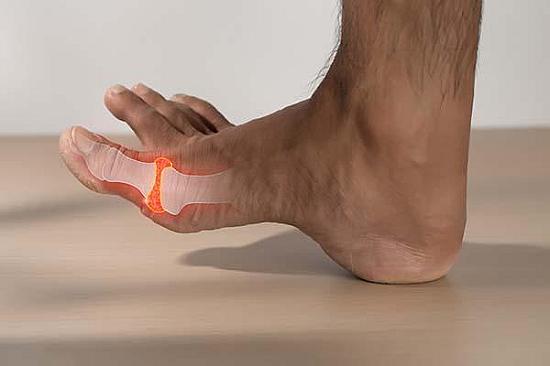
Gout occurs when too much uric acid builds up in the bloodstream. Normally, the body efficiently eliminates this waste product, mostly through urine. In people with gout, the body makes too much uric acid or doesn’t remove enough of it (or both). The substance accumulates in the bloodstream and in tissues throughout the body. Occasionally, it forms needle-shaped crystals inside a joint. The immune system launches an attack, causing joint pain and swelling, which is a gout flare
Shared risk factors for gout and cardiovascular disease
While the exact cause of gout is not entirely known, it’s likely that genetics plays a role. Other factors also raise your risk. “There are conditions that increase your uric acid levels and set you up for possibly developing gout, and some these are also risk factors for heart disease,” says Dr. Shmerling. Most people with gout have at least one of these conditions. They include obesity, diabetes, and high blood pressure
Gout itself may raise your risk for heart disease. During a gout flare, the immune system produces inflammation. Between flares, low-grade inflammation can persist in the body. Ongoing inflammation increases the risk for heart disease, at least in part because inflammation can damage the lining of blood vessels and promote fatty plaque build-up that can reduce blood flow
Can treating gout lower heart disease risk?
“The good news is that gout is readily treatable,” says Dr. Shmerling. While dietary and other lifestyle measures can help (see “How lifestyle changes can help protect your joints and heart”), most people with gout need medications. These treatments may also lower your risk of heart disease
A study published in the March 2026 issue of JAMA Internal Medicine found that people with gout who lowered their uric acid levels in the blood below 6 milligrams per deciliter with medication were 9% less likely to have a heart attack or stroke or die from heart disease over the next five years
There are two types of gout medication. The first type relieves symptoms of a gout flare, and includes nonsteroidal anti-inflammatory drugs (NSAIDs) such as ibuprofen or naproxen, as well as colchicine and corticosteroids. The second type is medication — most commonly allopurinol (Aloprim, Zyloprim) or febuxostat (Uloric) — that’s used to prevent future attacks by bringing down uric acid levels. These drugs for reducing uric acid levels are typically recommended for anyone with severe or frequent gout flares (two or more flares per year).
If you have gout, it’s important to take care of it, but don’t neglect your other health conditions. Talk to your doctor about your added risk for heart disease. Besides monitoring uric acid levels, be sure to have your blood pressure, blood glucose, and cholesterol levels checked. There are medications to help keep these under control if needed
How lifestyle changes can help protect your joints and heartTake care of your joints, your heart, and your overall health by following well-studied dietary patterns. Both the Mediterranean diet and the DASH (Dietary Approaches to Stop Hypertension) diet can help keep uric acid levels low, and they are also good for the heart. These dietary approaches emphasize vegetables, fruits, whole grains, olive oil, low-fat dairy products, fish, legumes, and nuts. They also call for limiting red meat and added sugars Your joints and heart also benefit from regular physical activity. Aim for 150 to 300 minutes a week of moderate aerobic activity (brisk walking or cycling), as well as strength training at least two days a week These measures — a healthy diet and regular exercise — can also help people who would benefit from <a href="https://healthylife7.com/book-reveals-how-to-manage-pre-diabetes-type-2-diabetes-without-drugs-weight-loss/" title="Book Reveals How to Manage Pre-Diabetes, Type 2 Diabetes Without Drugs, Weight Loss“>weight loss. If you are still unable to maintain a healthy weight, consider talking to your doctor about weight-loss medication |
Image: © Tharakorn/Getty Images
About the Author
Lynne Christensen,
Staff Writer
Lynne Christensen is a staff writer who contributes articles to Harvard Health Publishing’s flagship website and its four newsletters: the Harvard Health Letter, Harvard Heart Letter, Harvard Women’s Health Watch, and Harvard Men’s Health Watch. She …
See Full Bio
View all posts by Lynne Christensen
About the Reviewer
Robert H. Shmerling, MD,
Senior Faculty Editor, Harvard Health Publishing; Editorial Advisory Board Member, Harvard Health Publishing
Dr. Robert H. Shmerling is the former clinical chief of the division of rheumatology at Beth Israel Deaconess Medical Center (BIDMC), and is a current member of the corresponding faculty in medicine at Harvard Medical School. …
See Full Bio
View all posts by Robert H. Shmerling, MD
Share
Print This Page
Disclaimer:
As a service to our readers, Harvard Health Publishing provides access to our library of archived content. Please note the date of last review or update on all articles
No content on this site, regardless of date, should ever be used as a substitute for direct medical advice from your doctor or other qualified clinician
