


Holly Williams
UpdatedMon, 17 August 2026 at 12:31 pm UTC
Firms are to come under pressure to adapt to rapidly changing consumer demand as more than a third of Britons would consider using new weight-loss pills over jabs, according to new research
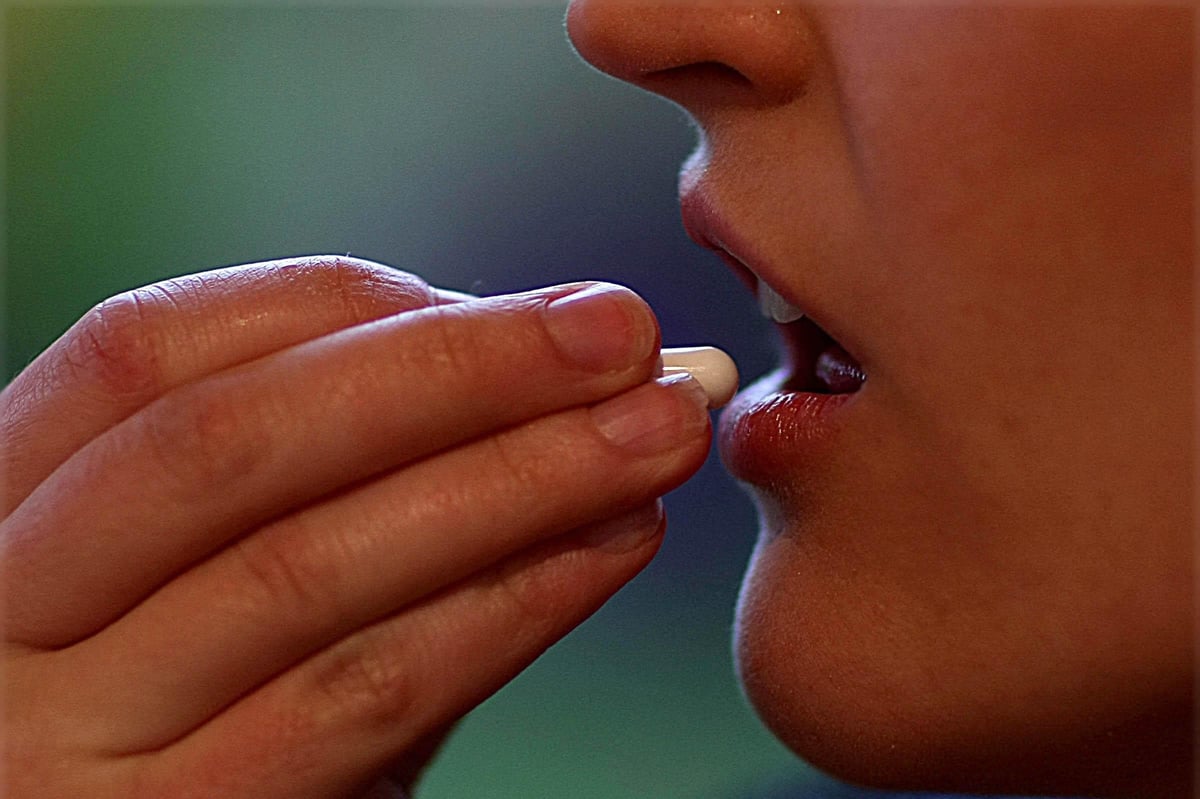
With the launch of Mounjaro-maker Eli Lilly’s new <a href="https://healthylife7.com/book-reveals-how-to-manage-pre-diabetes-type-2-diabetes-without-drugs-weight-loss/" title="Book Reveals How to Manage Pre-Diabetes, Type 2 Diabetes Without Drugs, <a href="https://healthylife7.com/is-it-personal-weight-loss-personalized/" title="Is it Personal? Weight Loss Personalized.”>Weight Loss“>weight loss pill gaining approval last week for use in the UK, consumers are increasingly expected to turn to medication to shed the pounds in what is likely to prompt a major shift in buying behaviour
A survey commissioned by audit, tax and consulting firm RSM UK found 34% of people would consider taking weight-loss medication in a tablet form rather than injections – and this increased among younger generations, rising to 43% for millennials and 42% for Gen Z
The poll of 2,000 people, conducted for RSM by 3Gem between July 27 and July 31, also found higher earners more likely to try the new tablets, with more than half (58%) of those on an annual salary of more than £80,000 saying they would consider it in pill form
This could mark a big transformation moment for consumer-facing firms, given the rise in popularity of weight-loss medication known as GLP-1s, despite the reported side-effects
Nearly a quarter (24%) of those polled said they had used or were currently using weight-loss injections, with many saying they were eating smaller portion sizes (45%), snacking less often (39%) and drinking less alcohol (32%) as a result
Jacqui Baker, head of consumer markets at RSM UK, said: “We’re already seeing signs of GLP-1s influencing consumer behaviour
“The question for consumer-facing businesses will be what happens to people’s baskets as they change what, when and how much they consume
“We could see a redistribution of spending rather than an outright reduction
“Some categories will undoubtedly face pressure, while others could benefit, for example, across the vitamins, supplements and wider health and wellness market.”
She added: “For retailers, the rise of weight-loss drugs could impact not just what they sell, but how they manage stock, sizing and anticipate demand as consumers’ needs change
“GLP-1s have the potential to become a catalyst for a much broader shift in consumer behaviour.”
Eli Lilly’s new daily weight loss pill, known as Foundayo, was authorised last week by the Medicines and Healthcare products Regulatory Agency (MHRA), following the approval of a pill version of Novo Nordisk’s similar weight-loss drug, Wegovy, in June
Foundayo is not yet available on the NHS and will be evaluated by health service spending watchdog the National Institute for Health and Care Excellence (Nice)
The MHRA approved the first GLP-1 pill for weight loss, a tablet form of Wegovy, in June
Experts are forecasting that the pills will be much cheaper than GLP-1 jabs
