


- A Canyon County resident over the age of 65 is Idaho’s first reported human case of West Nile virus meningitis this year, but is recovering at home.
- Infected mosquitoes spread West Nile virus through bites, prompting Idaho health officials to encourage preventative measures such as wearing insect repellent and protective clothing.
- Risk of severe illness from West Nile virus is higher for older people, those with weakened immune systems, and individuals with certain medical conditions, with symptoms ranging from fever to hospitalization or death.
A Canyon County resident over the age of 65 is Idaho’s first reported human case of West Nile virus meningitis this year, public health officials announced Monday
The infected person was hospitalized but is recovering at home, the Idaho Department of Health and Welfare announced in a news release.
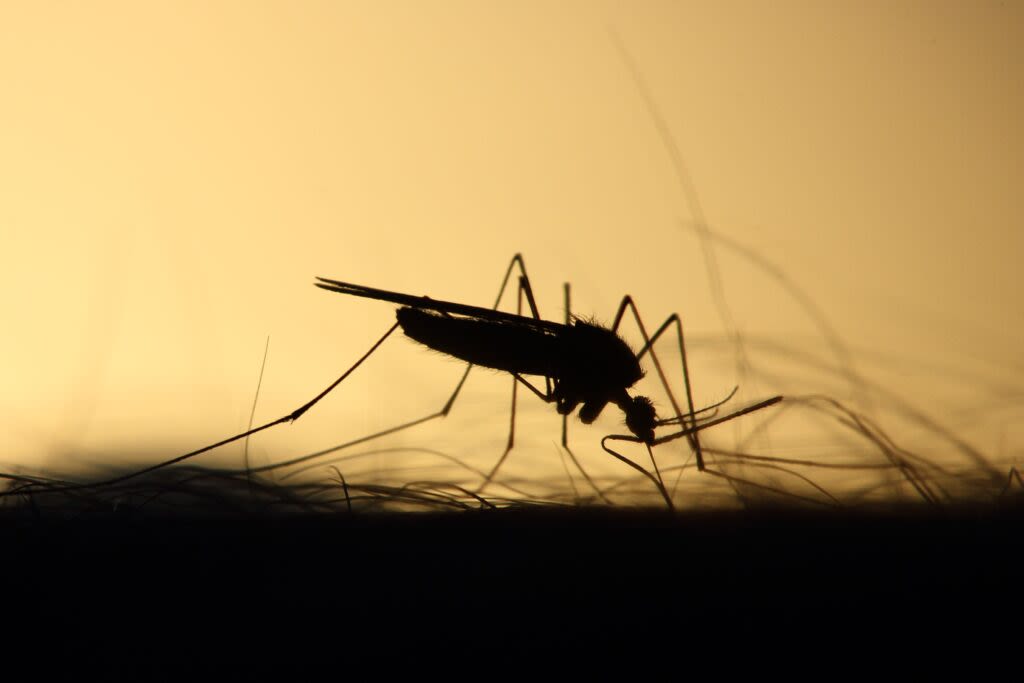
Infected mosquitoes spread West Nile virus through bites
Idaho health officials pointed to the case of the disease to encourage people to take steps to prevent mosquito bites while outdoors and on their properties
Advertisement
“The report of the first severe West Nile virus disease of the season in an Idaho resident is a good reminder for all of us to take protective measures against mosquito bites,” Idaho State Epidemiologist Dr. Christine Hahn said in a written statement. “This includes wearing insect repellent and protective clothing in addition to reducing standing water around gardens and homes where mosquitoes can lay eggs.”
Most people infected with West Nile don’t feel sick. A fifth of people infected develop a fever and other symptoms like a headache, body aches, joint pain, nausea, vomiting, diarrhea, swollen lymph glands or a rash. Risk of severe illness, and death, can be up to 40% higher in people that take immune system suppressants, such as treatments for cancer, autoimmune disease, and organ transplants, said Southwest District Health Epidemiologist Lekshmi Rita Venugopal
“With West Nile virus detected in mosquitoes in Southwest Idaho again this summer, it’s especially important for people with weakened immune systems to avoid mosquito bites,” she said in a written statement
The risk of severe illness is higher for older people and people who have some medical conditions. Severe illness can affect the brain and spinal cord, and can lead to hospitalization or death. Officials encourage people who believe they are sick with West Nile to contact their healthcare provider
Tips to avoid West Nile virus
To avoid West Nile infections, Health and Welfare encourages people to:
Advertisement
Avoid mosquitoes, especially when those that spread West Nile virus are most active between dusk and dawn
When outdoors, wear loose-fitting, long-sleeved shirts and pants.
Use insect repellents on exposed skin. Find repellents approved by the Environmental Protection Agency, or EPA, and follow product instructions carefully. Find repellents online using the EPA’s search tool or a CDC chatbot
Use mosquito netting to cover strollers and baby carriers.
People should also take steps to mitigate mosquitos on their property, Health and Welfare suggests, including:
If your home has damaged screens, repair or replace them
Mosquitos like to breed in standing water. Reduce standing water on your property, including toys, trays or pots outdoors that can hold water. For bird baths, static decorative ponds and animal water tanks, change water weekly to prevent mosquito larvae from maturing into adults
Find more tips online on Health and Welfare’s website.
