


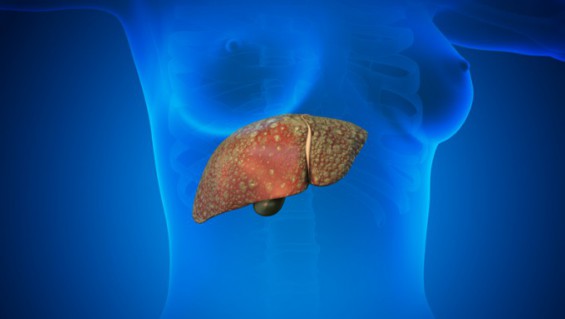
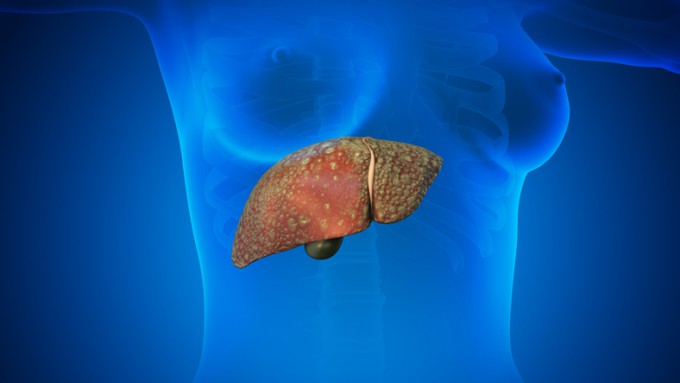
One in four Korean adults has metabolic dysfunction–associated fatty liver disease. Provided by Getty Image Bank
One in four Korean adults has metabolic dysfunction–associated fatty liver disease (MAFLD). The risk of developing the disease dropped markedly among those who practiced at least three healthy lifestyle habits
The Korea Disease Control and Prevention Agency (KDCA) announced on the 19th that the National Institute of Health (KNIH) analyzed data from 23,111 men and women aged 19–80 who participated in the Korea National Health and Nutrition Examination Survey (2016–2021), and confirmed that adopting healthy lifestyle habits reduces the risk of developing metabolic dysfunction–associated fatty liver disease
Metabolic dysfunction–associated fatty liver disease was previously referred to as non-alcoholic fatty liver disease (NAFLD). It is a chronic liver disease in which fat accumulates in the liver and is accompanied by cardiometabolic risk factors such as obesity and diabetes. Because it can progress to liver cirrhosis or increase the risk of cardiovascular disease, it requires continuous management
According to the study, the prevalence of metabolic dysfunction–associated fatty liver disease among Korean adults is 24.1%—about one in four adults
The research team analyzed the relationship between four healthy lifestyle habits—healthy eating, sufficient physical activity, non-smoking, and adequate sleep—and metabolic dysfunction–associated fatty liver disease. A healthy diet was defined as being in the top 33.3% on the Korean Healthy Eating Index. Sufficient physical activity was defined as performing at least 150 minutes of moderate-intensity physical activity per week or at least 75 minutes of vigorous-intensity physical activity. Adequate sleep duration was defined as sleeping an average of 7–9 hours per day.
The analysis showed that the more healthy lifestyle habits people practiced, the lower their likelihood of having metabolic dysfunction–associated fatty liver disease. Those who practiced two healthy lifestyle habits had a 17.5% lower probability of having the disease than those who practiced 0–1 habit. Practicing three to four habits was associated with a 28.6% lower probability

Provided by KDCA
When the researchers examined combinations of healthy lifestyle habits, they found that practicing a healthy diet, sufficient physical activity, and non-smoking together produced the clearest benefit, reducing the risk of metabolic dysfunction–associated fatty liver disease by 32%
This study is significant in that it confirms that a combination of healthy lifestyle habits, rather than a single habit, influences liver health
Kim Won-ho, head of the Department of Convergence Research for Chronic Disease at KNIH, said, “Metabolic dysfunction–associated fatty liver disease is not limited to liver disease; it can also be related to the burden of chronic diseases such as cardiovascular disease, so early prevention and management are crucial,” adding, “We will continue to generate scientific evidence needed to develop lifestyle improvement and chronic disease prevention strategies to promote public health.” The study results were published online on June 24 in the international journal BMC Public Health.
<Reference>doi.org/10.1186/s12889-026-28291-3
Copyright ⓒ DongA Science. All rights reserved.
