


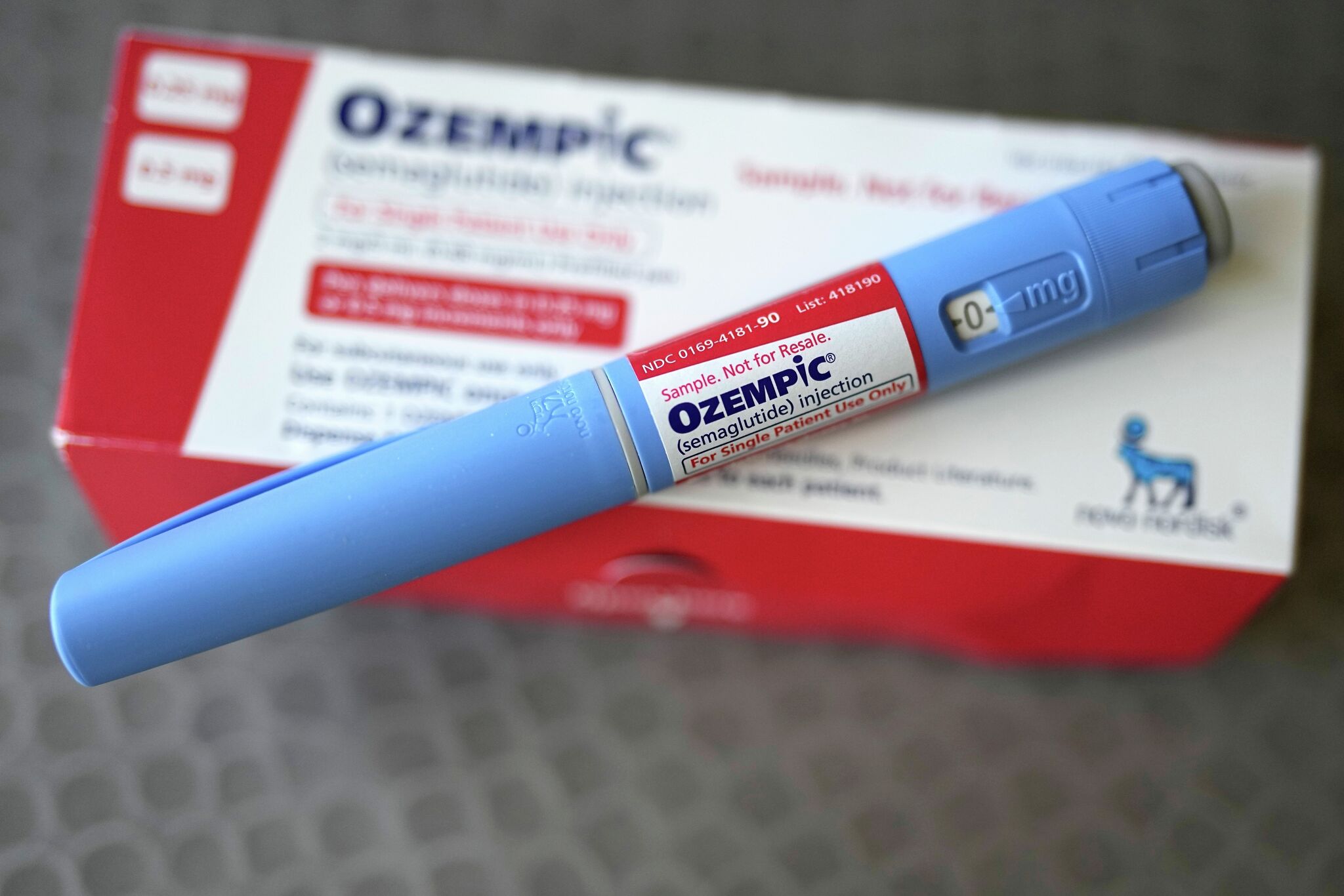
1 medications have changed the conversation around weight loss. Drugs such as semaglutide and tirzepatide can be extremely <a href="https://healthylife7.com/novo-begins-study-to-find-lowest-effective-dose-for-wegovy-pill/” title=”Novo begins study to find lowest effective dose for Wegovy pill”>effective for the right person, especially for people dealing with obesity, type 2 diabetes or weight-related health conditions. But I think we need to have an honest conversation about what these medications can and cannot do
First, GLP-1s are not simply “fat-burning drugs.” They work partly by reducing appetite, increasing feelings of fullness and, depending on the medication, slowing digestion. For someone who has struggled with obesity for years, that can be a powerful medical tool. FDA-approved weight-management medications such as Wegovy and Zepbound are intended to be used along with reduced-calorie nutrition and increased physical activity, not in place of them
Article continues below this ad
Losing weight isn’t the same as losing fat
This is one of my biggest concerns from a fitness standpoint
When body weight drops rapidly, the weight loss isn’t automatically 100% body fat. Research involving GLP-1-based medications has shown that a portion of the weight lost can come from lean tissue. Reviews have reported considerable variation between studies, but lean-mass losses have accounted for roughly 15% to 40% or more of total weight loss in some trials. Importantly, “lean mass” isn’t identical to skeletal muscle, so we shouldn’t exaggerate the numbers, but preserving muscle should absolutely be part of the conversation.
This is why I believe anyone using these medications for weight loss needs to take protein intake and resistance training seriously
Article continues below this ad
Higher protein intake during weight loss can help preserve lean mass, and resistance training provides the body with a reason to maintain muscle and strength. There isn’t one universally prescribed “GLP-1 protein number” for everyone, but research consistently supports adequate-to-higher protein intake during calorie restriction combined with resistance exercise
Simply eating dramatically less without paying attention to nutrition and strength training is not the goal
What happens when you stop?
This is another area where expectations need to be realistic
Article continues below this ad
You don’t technically have to remain on a GLP-1 forever, but obesity is often treated as a chronic condition, and significant weight regain after discontinuing medication is common. In the STEP 1 extension study, people who stopped semaglutide regained about two-thirds of the weight they had previously lost within the following year
So the idea that someone can simply take the medication for several months, lose 40 pounds and return to exactly the same lifestyle deserves serious reconsideration
Medication can reduce hunger. It cannot automatically teach you how to grocery shop, manage stress, understand portions, prioritize protein, strength train consistently, sleep better or change a lifetime of behavioral patterns
Those skills still have to be developed
Article continues below this ad
GLP-1s aren’t for everyone
These medications can provide tremendous benefits, but they also have potential side effects. Common ones include nausea, diarrhea, vomiting, constipation and abdominal discomfort. More serious warnings include pancreatitis, gallbladder problems, kidney injury related to dehydration and severe gastrointestinal issues. Certain medications are contraindicated in people with a personal or family history of medullary thyroid carcinoma or MEN 2, and weight-loss GLP-1 medications should not be used during pregnancy.
That’s why this decision belongs between you and a qualified healthcare provider, not TikTok, Instagram, your trainer or your friend who lost 30 pounds
The bigger picture
I’m not anti-GLP-1. I think they can be incredible tools when they’re medically appropriate. What I’m against is treating them like a shortcut that replaces everything else
Article continues below this ad
Whether medication is part of your journey or not, the long-term goal should still be the same: build muscle, improve your nutrition, move your body, develop healthier habits and create a lifestyle you can actually maintain
Medication can assist the process. It shouldn’t become the entire process
Fred Sassani, founder of Bodies By Design, is a certified personal trainer and nutrition specialist with over 20 years of experience. Bodies by Design is at 15812 Windermere Dr., Suite 100B, in Pflugerville. Learn more at bbdforlife.com
Article continues below this ad
