


As a little girl, I thought success looked like my older sister: 5 am mornings, colour-coded to-do lists and enough coffee in her system to qualify as a small power plant. I assumed adulthood would eventually turn me into that person
It didn’t. But here’s the twist: my generation didn’t reject her mindset. We just made it prettier.
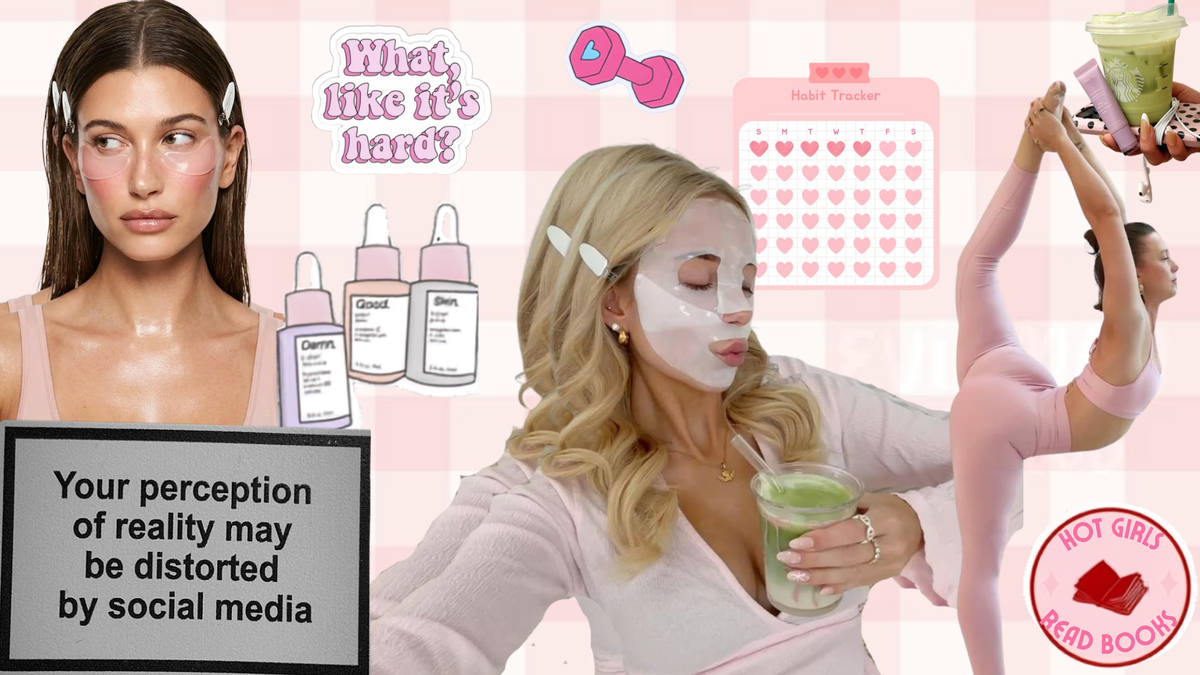
The hustle now comes with a matcha, a Pilates class, a morning routine, a journal and a carefully curated idea of what “balance” is supposed to look like.We still want the career, the money, the side hustle and the five-year plan. We’ve just stopped finding the glamour in admitting we’ve slept four hours for the third night in a row. Somewhere along the way, we watched ambition eat everything else around it, and we drew a line: work hard, but not at the cost of becoming someone you don’t recognise.
Which explains why the new face of success looks suspiciously well-rested
How Balance Became Aspirational
Social media has changed what success looks like. We no longer just see the promotion, the business or the nice flat. We see the 6 am walk, the pre-work workout, the overpriced coffee and the self-help book propped open on the bedside table. The lifestyle isthe success story, and without realising it, we lose the difference between a real routine and optimised content
So naturally, we start wanting it too. Not just that influencer’s career, but her morning. Not just her job, but the seemingly supernatural ability to fit work, exercise, friendships and eight hours of sleep into one day. The internet makes “having it all” look surprisingly manageable, mostly because nobody is filming the seventeen minute search for the keys that were in her pocket all along
The woman working until midnight might be working harder. But the one who wakes up early, goes to Pilates, answers emails and still reads before bed looks like she has cracked the code. Success, it turns out, isn’t just about getting somewhere anymore. It’s about looking well-balanced on the way there
The New Flex Is Good Taste
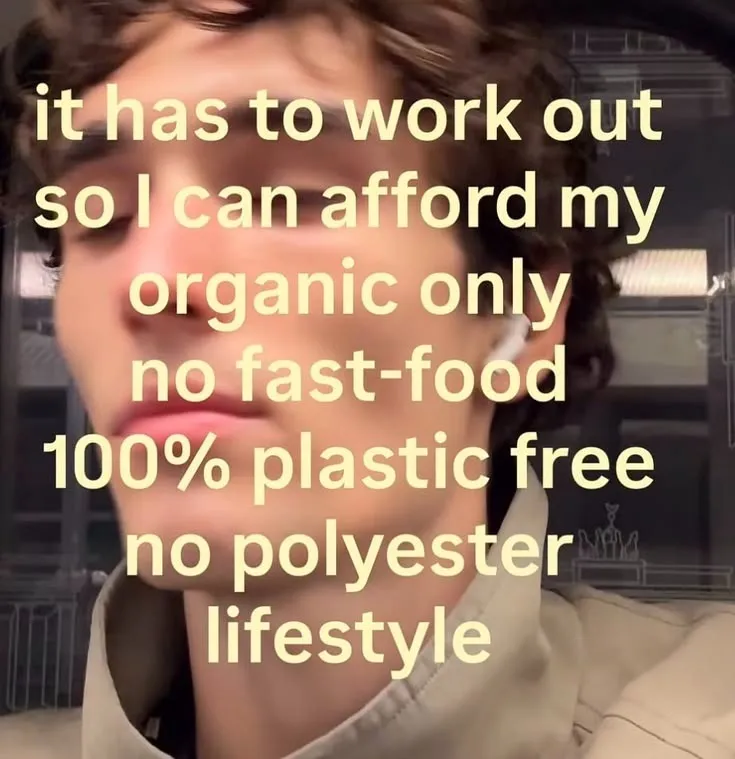
Your coffee isn’t just coffee; it’s single-origin beans from a tiny roaster that “doesn’t really advertise.” Your book club isn’t just a book club; it meets at a wine bar where everyone has strong opinions on Murakami. The yoga studio has eucalyptus towels and a waiting list. You insist your groceries have to be organic, refuse to put anything on your face unless it’s been described as “clean”, and the alkaline water costs enough to make people reconsider drinking tap
Individually, they’re just preferences.Stacked together, they start to look like a personality
The old flex was easier to clock: a designer handbag,a five-star hotel, a car that came with a waiting list. Now, some of the most enwhere to go, being the first to discover something niche. We’re not just showing people what we have anymore. We’re showing them who we are. Disciplined. Healthy. Intentional. Busy, but in avery controlled way. The flex isn’t just having an expensive life. It’s knowing how to curate one
Is Wellness Truly Self-Care Or An Additional Milestone?
Once ‘being well’ becomes part of the lifestyle, it starts getting measured too. Think about it. Gen-Z tracks itself in its sleep, quite literally, then wakes up to a report on sleep, breathing, stress and recovery. (WHOOP, Apple Watch, Oura Ring — don’t act innocent) Then come the macros, protein goals, step counts and water reminders. Give it time and breathing will need a dashboard too
None of this is necessarily bad. Knowing more about your health can be useful. But it gets a little strange when feeling good starts to feel like another assignment. You’re not just sleeping; you’re trying to sleepwell. You’re not just exercising; you’re hitting a number
Wellness has started borrowing the language of productivity: track, improve, optimise, repeat. We set out to push back against hustle culture and somehow started hustling our sleep and our steps instead. So maybe it’s worth asking: have we just made wellness another KPI? And if balance needs this much maintenance, is it really balance—or just hustle culture in activewear?
