


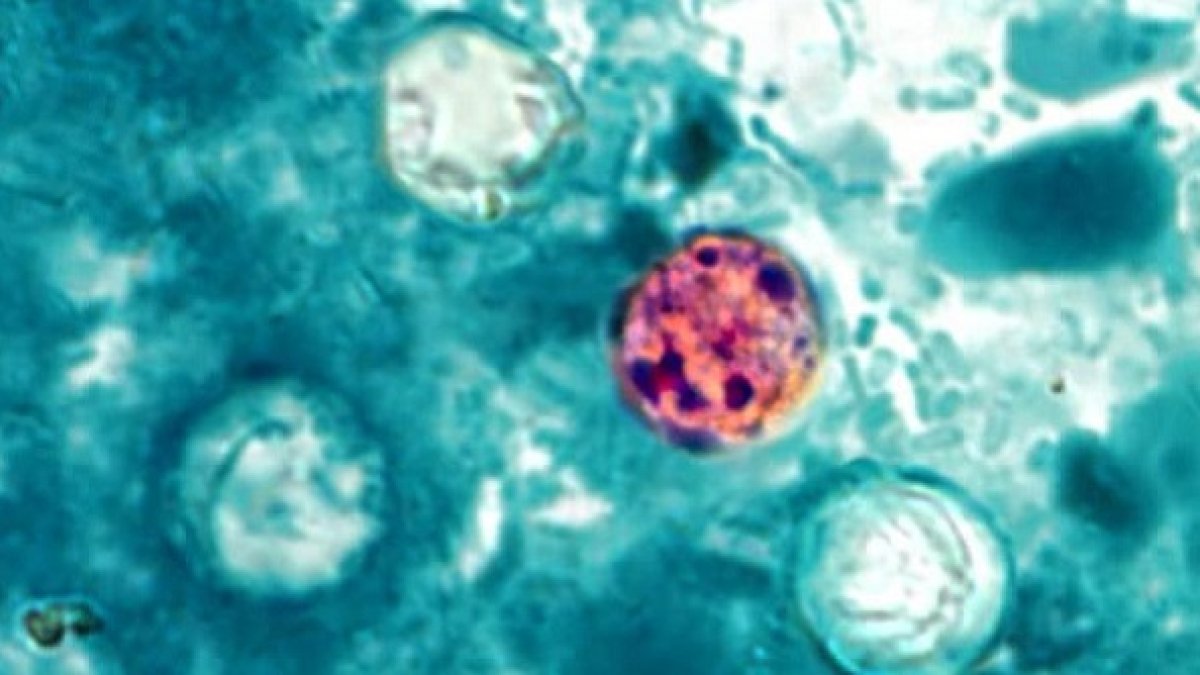

Cases of a parasitic infection that causes “explosive” diarrhea are now soaring in the Midwest, with an unusually high number reported in parts of Michigan and Illinois — sparking a warning from health officials
As of Monday, Illinois health officials said they were seeing “a higher-than-average number of reported cases of cyclosporiasis,” with a similar trend being reported in several U.S. states
Stream NBC 5 for free, 24/7, wherever you are
WATCH HERE
In Michigan, cases rose from 170 on June 30, to 572 by July 4, with the highest cluster of cases coming from southeast Michigan. By July 6, the numbers climbed to 681
And the numbers could be even higher than reported
The surge in cases remains a mystery, however, as officials search for a potential source
The Illinois Department of Public Health said “no singlee is no evidence of a large outbreak accounting for all or most of these cases.” They are working with the Centers for Disease Control and Prevention to look for trends in recent cases
“As of July 4, 2026, no specific produce grower/supplier, or specific produce type has been identified as then Services said
Health officials from both states, as well as the CDC, have noted that U.S. cases have previously come from contaminated produce and are urging residents to take extra precautions when cleaning fresh fruits, vegetables and herbs
And certain items could be riskier than others
What is cyclosporiasis?
According to the CDC, “cyclosporiasis is an intestinal illness caused by a parasite.” It is a form of food poisoning tied to parasitic infection
While not usually life-threatening, the parasite infects people
Health officials are investigating a spike in cyclosporiasis, a parasitic illness nicknamed the “explosive diarrhea parasite.” Here’s how it spreads, the symptoms to watch for and what the CDC says so far.
Which produce items have been behind previous outbreaks?
Infections do not spread from human to human, butcan spread
Health officials said the parasite is most common during the spring and summer months, leading to a potential spike in cases, however the recent surge is unusual
According to Michigan health officials, the following foods have been linked to outbreaks in the past in the U.S. and Canada:
- Bagged salad mixes and kits (pre-cut lettuce blends with romaine, iceberg, red cabbage, carrots)
- Fresh cilantro (coriander leaves)
- Fresh basil
- Raspberries
- Snow peas
- Green onions (scallions)
“Some of the common things that have been implicated in the past are certain herbs like garlic, cilantro, probably because it’s harder to clean those,” Dr. Sharon Welbel, chair of infectious diseases for Cook County Health, said. “Berries, particularly raspberries, again harder to clean them because they’re so fragile, as well as mixed greens.”
The health department issued an alert asking “entities in Southeast Michigan who are preparing, processing, or serving raw produce, including restaurants and other commercial kitchens” to take the following precautions:
- Lettuce/leafy greens: buy whole heads of lettuce (rather than prewashed, bagged lettuce or salad mixes), throw away the outer 2–3 layers of leaves and wash the inner leaves under running water. For leafy greens that can be cooked, cooking is the safest option.
- Cilantro, basil: Wash thoroughly under running water, separating the leaves. Safest when cooked.
- Green onions: Trim the root end and remove the outer layer, wash thoroughly under running water. Safest when cooked.
- Raspberries: Their bumpy surface makes them especially hard to clean; the parasite can hide in the tiny crevices. Safest when cooked (pies, jams etc.). Consider frozen raspberries as an alternative (freezing may reduce but does not guarantee elimination of the parasite).
- Snow peas: Wash under running water and rub the surface. Safest when cooked.
Welbel suggested people soak “delicate things” like basil or cilantro for a while
Other suggestions from officials include:
- Cook when you can. Heating food to 158°F or higher kills cyclospora.
- Wash all fresh produce under clean running water, even if you plan to peel it.
Dr. Irfan Hafiz, an infectious disease physician at Northwestern Medicine, told NBC Chicago some people may also contract such infections from swimming in lakes, ponds or waterparks as well
What are the symptoms?
Symptoms can appear between days and weeks of ingesting infected water or food
The main symptom is watery, or “explosive” diarrhea, theCleveland Clinic reports, noting that other stomach issues can also be reported
“The first thing is explosive diarrhea, bloating, cramping, loss of appetite,” Welbel said. “Some people have a low-grade fever but that’s pretty uncommon.”
- Watery diarrhea (most common)
- Loss of appetite
- Weight loss
- Cramping
- Bloating
- Increased gas
- Nausea
- Fatigue
Less common symptoms may include things like vomiting, body aches, headache, low-grade fever and other flu-like symptoms, the CDCreported
“Anyone experiencing gastrointestinal illness, such as sudden and ongoing diarrhea, should contact their health care provider and their local health department,” the Michigan health department said Monday
When compared to other stomach bugs, experts said the hardest part of cyclospora is the timing
“The symptoms are a bit less, but they go on longer. Noroviruses kind of hits you hard and then it’s done. This kind of just drags on for a longer period of time,” Hafiz said
The CDC also added that without treatment, symptoms can last even longer, or potentially return
“Without treatment, symptoms can last anywhere from a few days to a month or longer,” the CDC stated. “Some symptoms, such as diarrhea, may go away and then return. Other symptoms, such as fatigue, may continue after the gastrointestinal symptoms have stopped.”
Who is most at-risk?
Officials said it is most important that people with a higher risk of dehydration or weakened immune systems take extra precautions during the outbreak. Young children, infants and elderly people are among those most at-risk
HealthJul 2
CDC is tracking the
Health & WellnessJul 1
