


Report: Health care premiums doubled for 200,000 Washingtonians after Trump cuts
Thu, August 20, 2026 at 1:29 PM
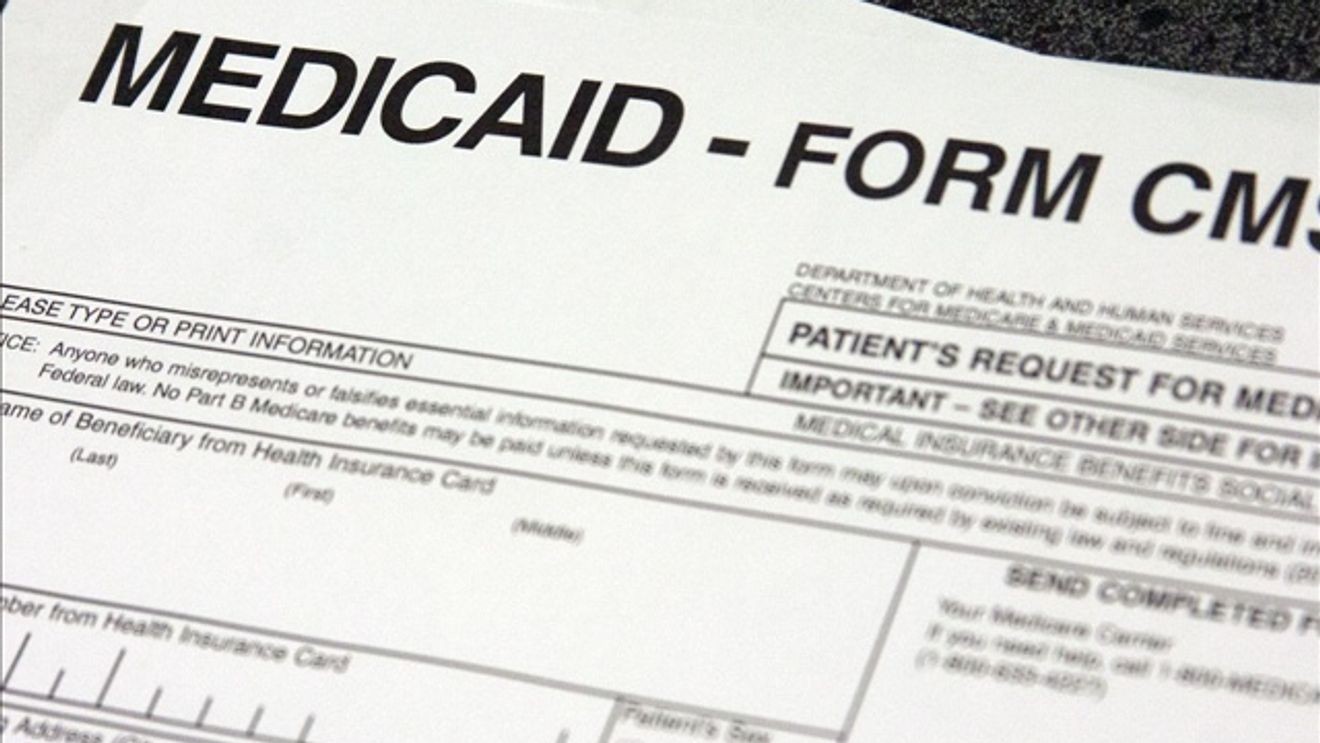
Generic photo of Medicaid form. (File photo)
SEATTLE —More than 200,000 Washingtonians have seen their health insurance premiums double after Republicans declined to extend enhanced Affordable Care Act premium tax credits and enacted what U.S. Sen. Patty Murray says were sweeping health care cuts, according to a new report highlighted by the senator
Murray, a Washington Democrat and vice chair of the Senate Appropriations Committee, released a statement from Washington, D.C., saying the impacts are being felt more than a year after Republicans passed what she called “the single largest cut to health care in our country’s history,” and nearly a year after Republicans blocked Democratic efforts to extend the ACA tax credits
SEE ALSO | Republicans block WA senator’s resolution to stop Trump rule raising child care costs
“We are over a year past Republicans passing the single largest cut to health care in our country’s history, and it has been nearly a year since Republicans blocked Democratic efforts to extend the ACA tax credits. Republicans have created a national health care crisis in America, causing costs to skyrocket and clinics to struggle keeping their doors open,” Murray said. “Trump and Republicans would rather give trillions in tax breaks to billionaires and endlessly fund Trump’s war with Iran than help working Americans afford their doctor appointments and prescriptions. Republicans chose to put billionaires and foreign wars ahead of health care for the American people—but the people can have the last word using their voice and their vote.”
The report details the effects of the One Big Beautiful Bill Act, described in Murray’s release as cutting more than $1 trillion from health care to fund tax breaks for millionaires and billionaires. It says 50,545 Washingtonians lost Medicaid, CHIP, or ACA coverage. It also says premiums doubled for 226,813 people across Washington state after Republicans refused to extend the ACA enhanced premium tax credits
The report includes an example of how the premium increases can affect families: A family of four in Washington state making $130,000 a year saw its average annual premium rise by $12,392, bringing the total cost to $23,442 this year
Hospitals and clinics in Washington state are also projected to take significant financial hits, according to the report. It says providers are facing a $160 million loss in funding and a 5.6% spike in uncompensated care, and are expected to lose between $31 billion and $51 billion over the next decade due to the health care cuts
The release lists 37 hospitals, clinics and nursing homes in Washington state as at-risk, having announced service cuts, closing, or already closed
Nationally, the release says the Republican health care cuts represent more than a $400 billion hit to hospitals. One estimate cited in the release says more than 170 rural hospitals will likely be forced to close or scale back services, which could mean longer travel for maternity care and emergency room visits and longer wait times. Washington is described as one of the states most at-risk, with 22 hospitals at-risk of closing or reducing services
The release also says an estimated 477,000 health workers will lose their jobs as a result of Republican cuts to Medicaid
In Washington state, the release says hospitals could lose at least $662 million in Medicaid revenue every year under the One Big Beautiful Bill Act, and the state is expected to lose between $31 billion and $51 billion in federal Medicaid dollars over the next decade
The release notes that Washington’s uninsured rate was 4.8% in 2024, the lowest in the country, but says the Republican bill is expected to push that rate into the double digits. It also says nearly 2 million people in Washington — roughly one in five — are enrolled in Apple Health, the state’s Medicaid program. The release says Washington’s 4th Congressional District has the highest Medicaid enrollment in the state, with nearly 300,000 people, or 38% of residents, relying on Apple Health, including 70% of children in the district.
