


 Kelsey Kryger
Thu, August 20, 2026 at 9:01 PM UTC
There’s no magic supplement that supports your longevity better than exercise. You’ve likely heard health experts say exercise is the best medicine, and it’s the truth. Regular exercise has been shown to strengthen the heart, lower blood pressure, and improve blood flow while also lowering the risk of other chronic diseases. Any kind of exercise is great, but different training modalities offer varying benefits, which is why building a well-rounded workout routine may be your best bet for a healthier heart.
“The healthiest people aren’t the ones who specialize in one type of exercise; they’re the ones who train multiple physiologic systems,” says Abid Husain, M.D., Hone Health’s Head of Heart Health and Medical Advisor. “My longevity prescription is simple: move every day, perform moderate aerobic exercise most days, strength train two to three times weekly, and include occasional high-intensity efforts.”
This doctor-backed recommendation falls in line with the CDC’s recommendation that adults get at least 150 minutes of moderate-intensity aerobic activity and two days of muscle-strengthening activity each week. Rather than relying on one type of workout, try spreading different forms of exercise throughout the week. Here’s how to build a heart-healthy workout routine
Heart Healthy Weekly Workout Routine
Aerobic Exercise, 3-5x/week
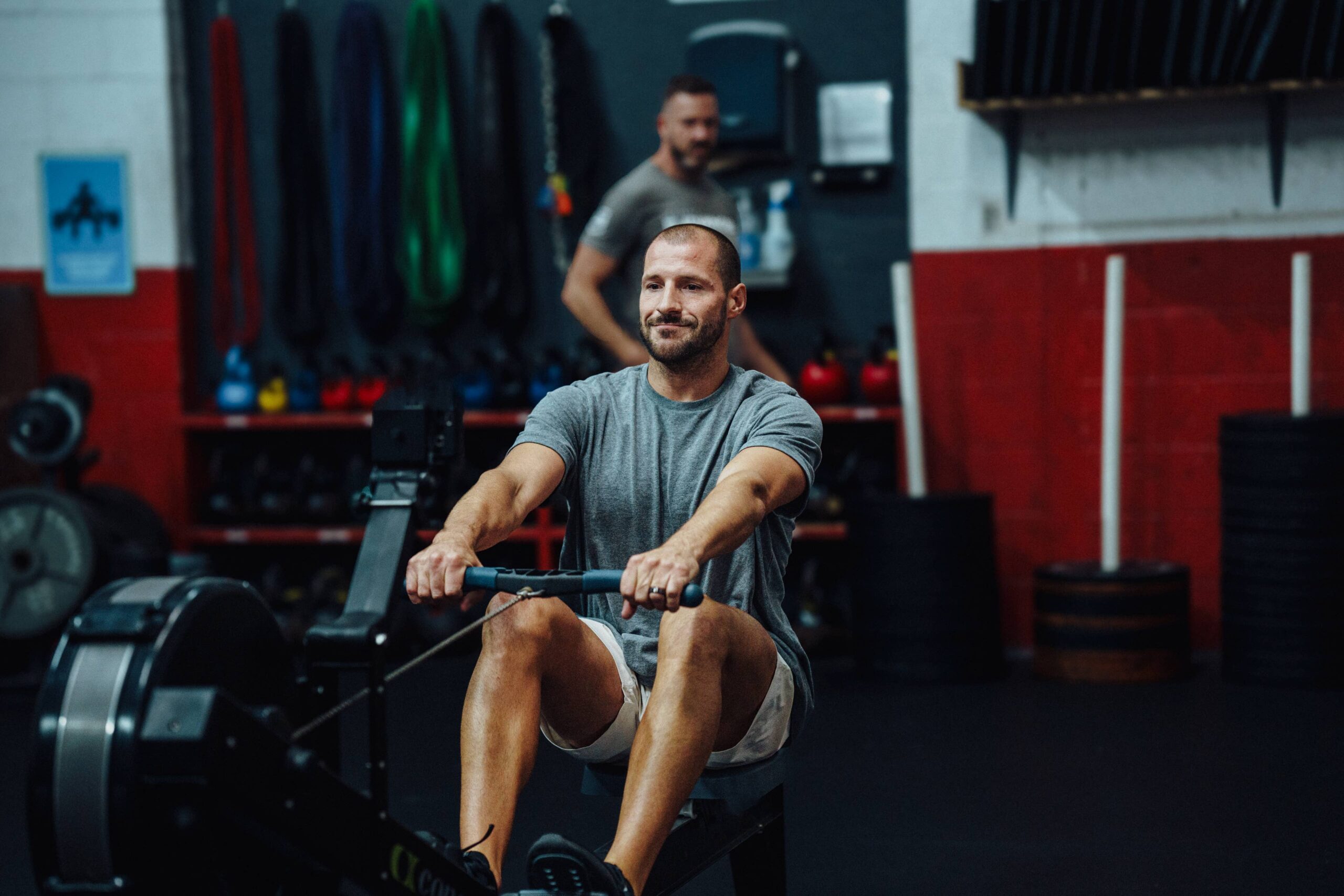
For most people, the foundation of a weekly workout routine should be built around steady aerobic exercise, performed at a pace where you could still carry on a conversation. Steady state training improves heart and blood vessel health, mitochondrial function, insulin sensitivity, and exercise capacity, which is one of the strongest predictors of long-term health
“My recommendation is to find an activity you enjoy and can do consistently and safely,” says Leonard Pianko, M.D., an Aventura-based cardiologist. “You can ride the bike or elliptical at the gym, walk at a brisk pace, swim laps, or dance the night away. The key is moderate intensity. To determine if your exercise is moderately intense, your breathing rate should increase. You should be able to speak in full sentences but be unable to sing a song.”
Advertisement
Resistance Training, 2-3x/week
In order to maintain and continue to build muscle mass with age, you’ve got to hit the weights. Getting into the gym anywhere from two to three times a week is a good target. You might follow a traditional push, pull, legs split or focus on full-body workouts, depending on what works best for you. Building and maintaining muscle helps regulate blood sugar, inflammation, and metabolism while preserving strength, balance, bone density, and independence as we age. Strength training can also support healthy blood vessel function by increasing blood flow and promoting nitric oxide production.
“Aerobic exercise alone isn’t enough, and resistance training is equally important,” Husain adds. “Beginning in our thirties, we naturally lose muscle unless we preserve it.”
High-Intensity Training, 1-2x/week
Husain recommends doing one or two brief high-intensity workouts each week, as long as you’re physically able. By alternating between short bursts of vigorous activity and recovery periods, you repeatedly challenge your heart to work harder before allowing it to fully recover. High-intensity workouts could look like running intervals outside, taking a group fitness HIIT class, or setting up a circuit workout that alternates between periods of all-out effort and recovery
Challenging the cardiovascular system in this way helps preserve physiologic reserve, which is the body’s ability to tolerate illness, recover from injury, and maintain performance with age. Research has shown high-intensity training can improve VO2 max, lower resting heart rate and blood pressure, and improve blood vessel function. And the best part is you can get these workouts done in less time than with steady-state cardio
Experts
Abid Husain, M.D., Hone Health’s Head of Heart Health and Medical Advisor
Leonard Pianko, M.D., Aventura-based cardiologist
Sources
Physical Activity Basics. CDC, 2023
Training the Vessels: Molecular and Clinical Effects of Exercise on Vascular Health—A Narrative Review. Cells, 2019
High-intensity interval training for health benefits and care of cardiac diseases – The key to an efficient exercise protocol. World Journal of Cardiology, 2019
This story was originally published byMen’s Journalon Aug 20, 2026, where it first appeared in theFitnesssection. Add Men’s Journal as aPreferred
