


El Paso health officials urge vaccines as whooping cough cases rise in the city
Fri, August 21, 2026 at 7:25 PM

 4VIEW ALL PHOTOS

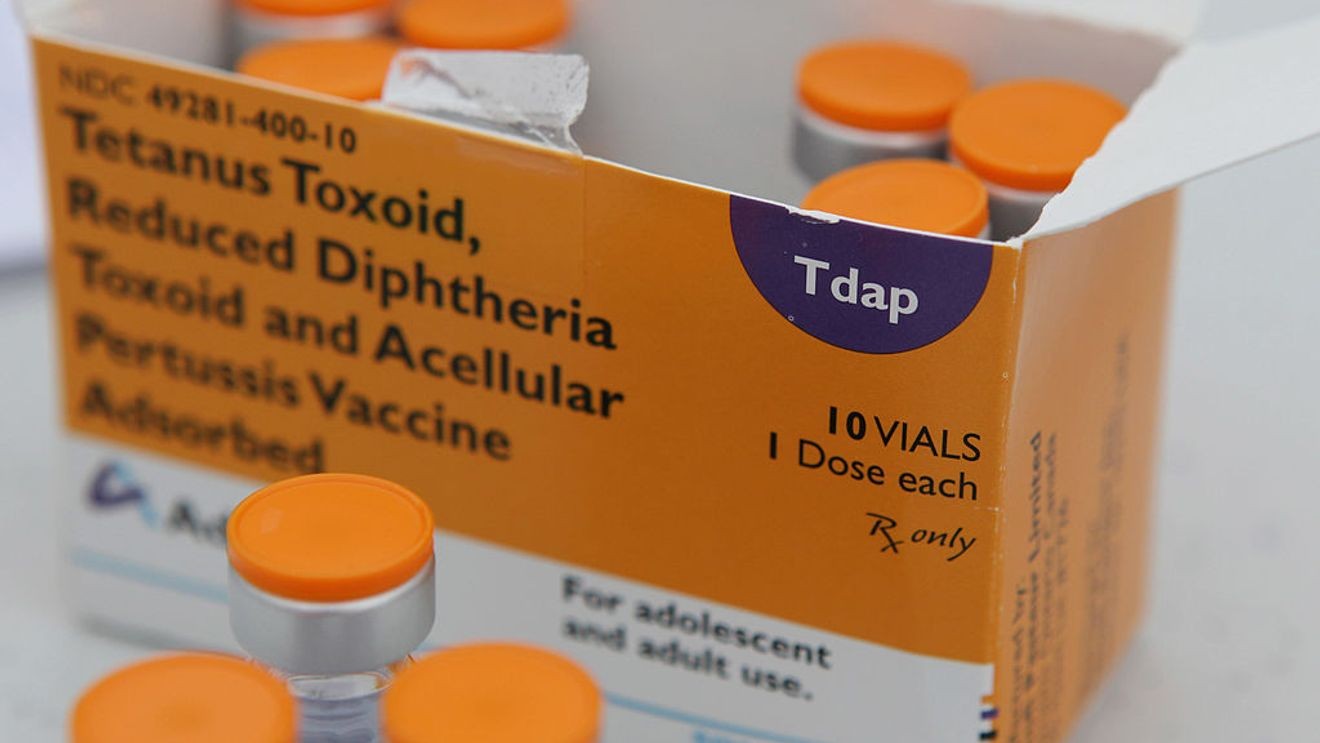
VALLEJO, CA – AUGUST 11: A box of Tdap vaccinations sits on a table during the Solano County health fair August 11, 2010 in Vallejo, California. California medical officials are urging California residents to get booster shots for whooping cough as the state is in the midst of the largest outbreak in over fifty years. Close to 1,500 cases of whooping cough have been reported this year, including six cases that resulted in deaths of children under three years old. (Photo by Justin Sullivan/Getty Images)
EL PASO, TEXAS (KFOX14/CBS4) —A resurgence of whooping cough cases in El Paso is raising concerns among public health officials as vaccination rates decline locally and across the country
Pertussis, also known as whooping cough, is a vaccine-preventable disease
According to El Paso health officials, confirmed pertussis cases in El Paso rose from zero in 2023 to eight in 2024 and 19 in 2025. The greatest burden has been among infants, adolescents and young adults
“We’ve seen a sharp increase in pertussis cases. The pertussis respiratory condition affects mainly small infants, and those are the ones that end up hospitalized with complications and eventually, some of those babies that are infected with pertussis may die,” said Dr. Hector Ocaranza, Health Authority for the City and the County of El Paso. “We have seen also at the cases of measles, which can also be prevented with a vaccine.”
Health officials note that immunity to pertussis decreases over time, whether it comes from a past infection or vaccination. Vaccination with the tetanus, diphtheria and acellular pertussis vaccine, known as Tdap, remains the most effective strategy to prevent transmission and severe illness, particularly in infants, who face the highest risk for hospitalization, serious complications and death
“We expect to see more of these vaccine-preventable diseases in people as we have a decline in the vaccination rates for many of the other diseases. It is unfortunate because the higher the vaccination rate that we have in the community, the better the protection we’re going to be having for our very small infants, which are the ones that may develop the complications,” Dr. Ocaranza said
The Tdap vaccine has been approved by the U.S. Food and Drug Administration since 2005 for people 10 and older and has an established safety and effectiveness profile. It may be given as early as five years after a previous tetanus-diphtheria (Td) or diphtheria-tetanus-acellular pertussis (DTaP) vaccine
Additional Tdap doses may also be recommended five to 10 years after a previous Tdap dose in certain circumstances, including infant caregiving, wound management or post-exposure prophylaxis
“We’re hoping that people talk to their doctor, especially if they have any questions regarding the vaccine, and dissipate a lot of the questions and fears that they may have read, either on social media or any other information venue. Because misinformation is the biggest obstacle that we have right now. And by talking to your doctor, you’re gonna be able to create that sense of confidence that vaccinating your child or yourself is gonna be the right way to do it, to keep yourself healthy and the rest of the family as well,” Dr. Ocaranza said.
RECOMMENDED:El Paso reports first West Nile virus death 2026
Sign up to receive the top interesting stories from in and around our community once daily in your inbox.
