


 Sophie Hirsh
Sat, August 22, 2026 at 12:16 AM UTC
When talking about how to live a healthy life, most people probably think about physical health; some may think about mental health. But there’s an important component of our overall health that affects us more than we realize: our emotional health
In case you aren’t familiar, this pertains to one’s awareness and capacity for dealing with emotions there are a lot of ways we can improve our emotional health. That said, what are the most emotionally healthy habits? And which are the most important?
To find out, we spoke with three psychologists: Dr. Ayli Carrero Pinedo, PhD, a licensed psychologist and the founder of California-based In Alignment Wellness Services;Dr. Kamran Eshtehardi,PhD, a licensed clinical psychologist in private practice in California; and Dr. Robin F. Goodman, PhD, a New York-based licensed clinical psychologist and the Assistant Director of Public Education and Bereavement at Child HELP Partnership at St. John’s University
After all three psychologists shared their picks for best behaviors in this category with Parade, they then worked together to rankthetop 10 most emotionally healthy habits. Keep reading for the full list, their insights on why these habits are so beneficial and their tips on how to incorporate these practices into your life
What Defines an Emotionally Healthy Habit?
“An emotionally healthy daily habit is something we do every day that reduces negative mental health symptoms and helps us achieve and maintain emotional regulation,” Dr. Eshtehardi explains to Parade
“Emotionally [healthy] daily habits are small, repetitive, values-aligned practices that improve self-regulation, self-development and self-awareness,” adds Dr. Carrero Pinedo. “When done consistently, they become part of a person’s baseline functioning so they are better prepared when a crisis hits.”
According to Dr. Goodman, when it comes to trying to form new emotionally healthy habits, “it’s important to understand not just how to do them but why you do them.”
The 10 Most Emotionally Healthy Daily Habits, Ranked by 3 Psychologists
Dr. Carrero Pinedo, Dr. Eshtehardi and Dr. Goodman all agree that these are the 10 most emotionally healthy daily habits, ranked from good and healthy (#10) to the absolute healthiest (#1)
10. Listening to music

“Music is easy to incorporate into your day-to-day life, and can have a major impact on your mood and stress level,” says Dr. Eshtehardi. “Several studies have shown that listening to music, especially playlists that are meant to evoke a certain mood, can reduce stress, symptoms of anxiety and symptoms of depression while enhancing our mood.”
If you’re looking for more ways to incorporate listening to music that makes you feel good into your life, he suggests treating it like its own activity
“Sitting back and just listening to music is also a great alternative to scrolling on our phones,” the psychologist adds
Related: 3 Psychologists Agree: This Is the Biggest Benefit of Learning an Instrument as a Kid
9. Reading books

“Reading books can reduce stress, reduce symptoms of anxiety and depression and improve empathy, emotional intelligence and sleep quality,” says Dr. Eshtehardi—especially when you consider that reading can be an “excellent alternative to scrolling on our phones.”
If you find it hard to focus on reading, he has a few tips. First, know that the more you read, the more you’ll get used to it, and the less challenging it will be to focus. Additionally, it’s key to read books that actually bring you joy, as this will make reading more appealing
“If you want to read more, you have to start by finding things you’re interested in reading,” he states. “Many people believe that reading should be ‘productive’ and therefore reading fiction books is a waste of time. This is not true. In fact, reading literary fiction can be particularly effective at increasing emotional intelligence and empathy.”
And as an alternative to reading books, Dr. Goodman suggests crossword puzzles and coloring books
8. Reduced social media use

“The average American spends five hours a day looking at their phones. What they’re looking at is, more often than not, algorithm-curated content,” Dr. Eshtehardi notes
“There are a plethora of issues that can emerge from too much exposure to this type of content,” he continues. “The simple takeaway is that reducing time spent on our phones, specifically looking at algorithm-curated content, will improve how we feel.”
To reduce your screen time, he suggests replacing it with “other healthier habits,” such as reading, listening to music and exercising
Related:A Social Media Coach Is Begging People To Stop This Common Online Habit
7. Practicing gratitude and mindfulness

According to Dr. Goodman, thinking of something you are grateful for every day can make a huge difference
“Some days this can be harder than others,” she admits. However, “some days it may be as simple as being grateful for a soft bed to rest, a cup of your favorite coffee or the ability to care for yourself. Searching for and focusing your mind on gratitude makes it more likely you will see it. It’s not just the half-full vs half-empty; it is that you will see what you look for.”
Dr. Carrero Pinedo agrees that a daily gratitude practice is wonderful for our emotional health
“Taking time to reflect on the day can help shift perspective away from negative things in your life,” she explains
She recommends doing this as part of your bedtime routine by asking yourself questions such as, “What made my day difficult?” “How was I supported today?” and “What made me feel good?”
Similarly, practicing mindfulness is great for emotional health. Dr. Carrero Pinedo shares that “acknowledging what is happening in the present moment helps us focus on facts and change our relationship with our internal experiences.”
6. Spending time outside

Dr. Goodman is a big advocate of spending time in nature, or at least interacting with the outdoors in some way
“This can be as simple as mindfully taking five minutes to look outside the window or taking a walk,” she says. “Stepping away from your thoughts, seeking and recognizing there is [a] world bigger than you can be useful.”
Advertisement
Related:7 Psychological Benefits of Gardening, According to a Psychologist
5. Moving or taking walks

“Movement is medicine. It releases accumulated stress, shifts mood and reconnects you with physical sensations,” states Dr. Carrero Pinedo
She adds that “exercise does not need to be intense to be beneficial,” and can be as simple as doing some stretches in your living room or taking a 10-minute walk around the block
If you find it hard to motivate yourself to exercise, she suggests habit stacking movement with a meal (such as taking a walk after lunch every day). She also recommends “checking in about how you feel after the activity rather than how well you did shifts the perspective from performance to effectiveness.”
Dr. Eshtehardi is also a big advocate of regular movement—specifically walking, noting that “studies have shown that regular walking reduces symptoms of depression and anxiety.”
4. Connecting with others

“Being in community helps us reduce stress levels and increase our sense of belonging,” explains Dr. Carrero Pinedo
Not only that, but connecting with others “has been shown to be one of the most protective mental health factors at all ages,”
To be more proactive about connecting with others, Dr. Carrero Pinedo suggests that you “search the web for activities [that you enjoy or want to try] and schedule them.” Then, “invite others to do the activity with you or make small talk with someone during the activity.”
If you don’t have anyone to spend time with in person, connecting with others “can be as simple as doing something kind for a stranger,” Dr. Goodman says. “Thanking someone [or] complimenting someone allows you to connect to people around you.”
Or, if you prefer virtual connection, Dr. Goodman says there’s a lot of merit to phone calls and texts with loved ones
3. Eating well and staying hydrated

Though your eating and hydrating habits may not seem related to your emotional health, all three psychologists agree that these are some of the most important factors that contribute to our emotional state
“Nutrient deficiencies, malnourishment or dehydration can lead to a host of negative mental, emotional and physical impacts,” explains Dr. Eshtehardi
“Diet is very tricky and there’s no one-size-fits-all approach,” he adds
If healthy eating has been a challenge for you, he recommends seeing a doctor or a nutritionist to determine what your body needs. And if you suspect you’re not getting enough water, “try to gradually increase your water intake throughout the day,” he notes
2. Practicing good sleep habits
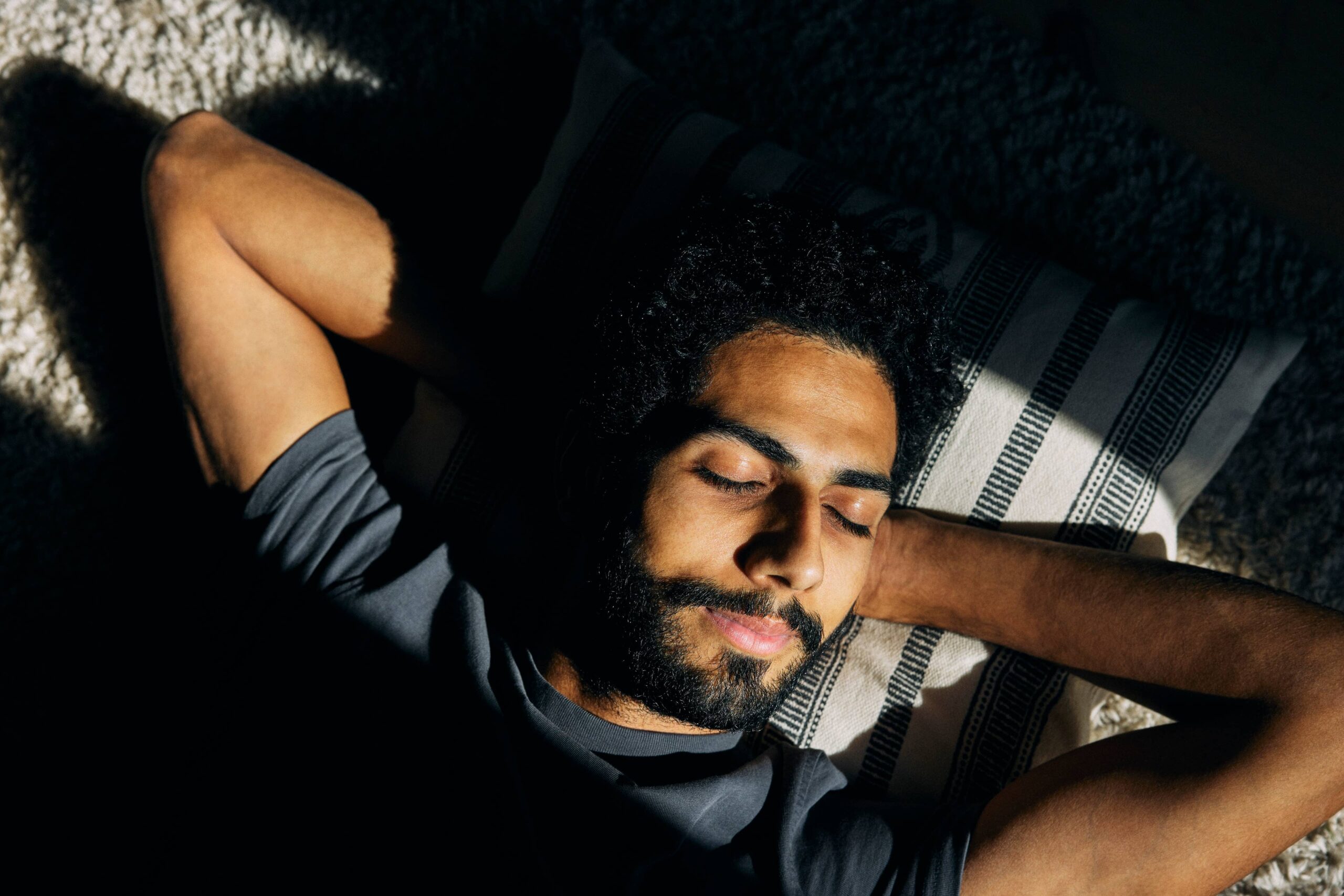
Dr. Eshtehardi is a major advocate of good sleep, noting that he would personally put practicing positive sleep habits at #1 on his list, though he agrees that it makes sense in the #2 slot, too
“Sleep has a major impact on our mental and emotional well-being,” he says. “People who experience poor sleep report feeling mental exhaustion, sadness, anger and stress. Improving sleep can measurably reduce symptoms of anxiety and depression.”
Dr. Carrero Pinedo adds that “sleep is critical for clear decision-making, storing energy and a strong immune system.”
Her top tip for healthy sleep is to only lie down in your bed when you are sleepy and ready to close your eyes, as this can strengthen the connection between sleep and your sleep area
“Staying in bed when you are not asleep actually promotes insomnia because your brain starts to associate being in the sleeping area with being awake,” she explains. “If you are not asleep within 20 minutes of lying down, get up and go to another area. Go back only when you’re feeling sleepy.”
Dr. Eshtehardi recommends reading before bed (instead of scrolling on your phone!) to help yourself relax, and going to bed early rather than engaging in “revenge bedtime procrastination, which is the habit of delaying going to sleep as a way to maximize free time and maintain a sense of control.”
1. Checking in with yourself
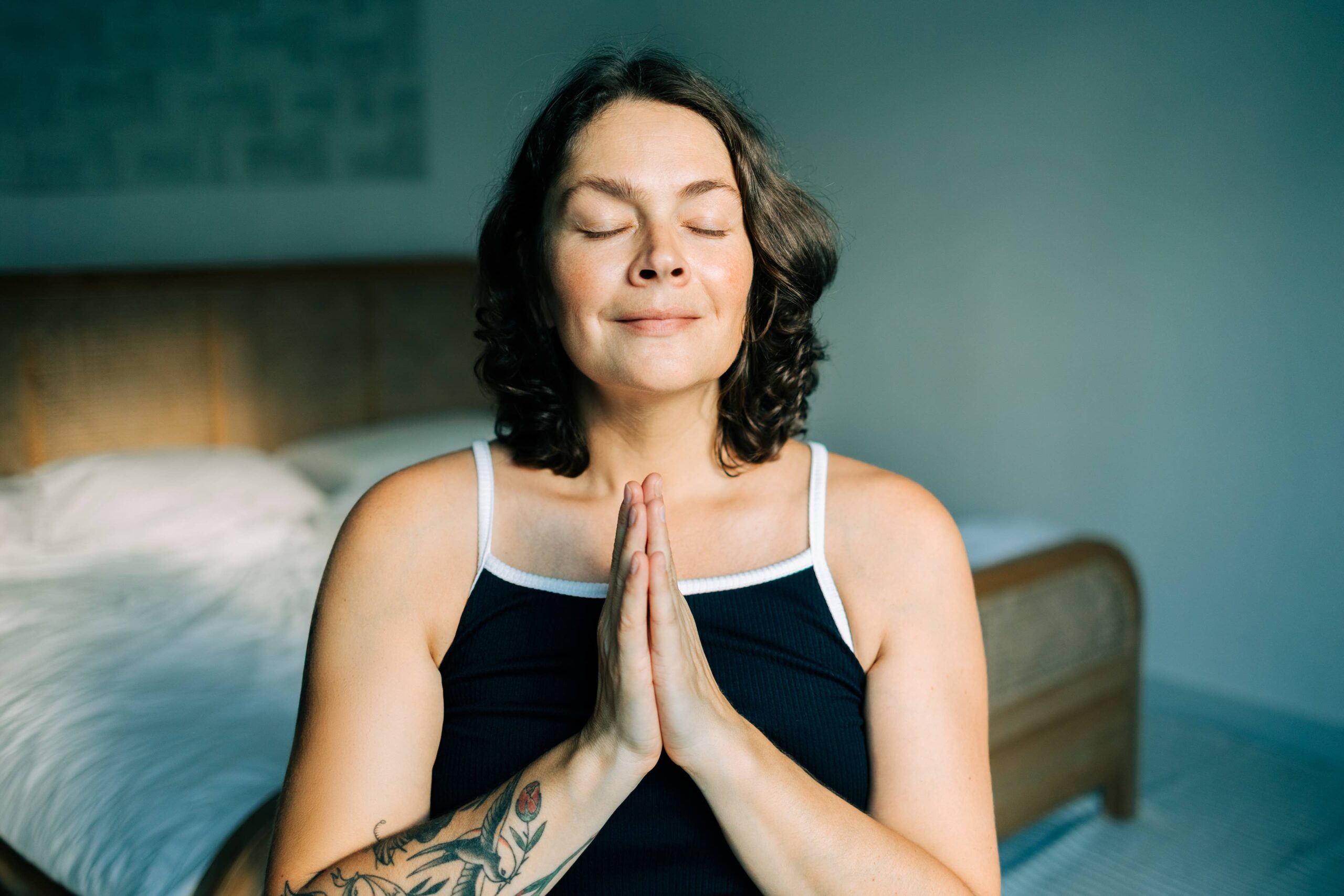
All three psychologists agree that in many instances, checking in with yourself is the most important thing you can do for your emotional health
“If we do not check in with ourselves, we cannot identify our needs,” says Dr. Carrero Pinedo
“Improving awareness of emotional patterns and triggers expands our emotional capacity and ability to effectively communicate how we feel and what we need from others,” she explains. “Over time, it also helps us reduce impulsive or avoidant reactions under stressful situations.”
So how can you hone this habit of checking in with yourself? Dr. Carrero Pinedo is a fan of sitting down to journal
“Spend one minute writing down a situation that brought up strong emotions,” she suggests. “Then, spend another minute identifying one emotion and one need, followed by a small action that supports your need.”
According to Dr. Goodman, checking in with yourself is all about “being mindful about how your body is feeling and creating a sense of calm. Learning and doing calming breaths or muscle relaxation at a set time or being intentional about doing it when your body needs a reset creates a cascade of change.”
She adds: “Because the mind and body are connected, a calmer body can result in a calmer mind.”
Up Next:
Related: 3 Psychologists Agree This Is the Most ‘Underrated’ Positive Parenting Habit
Sources:
Dr. Ayli Carrero Pinedo, PhD, is a licensed psychologist and the founder of In Alignment Wellness Services
Dr. Kamran Eshtehardi, PhD, is a licensed clinical psychologist in private practice
Dr. Robin F. Goodman, PhD, is a licensed clinical psychologist and the Assistant Director of Public Education and Bereavement at Child HELP Partnership at St. John’s University
The transformative power of music: Insights into neuroplasticity, health, and disease. (2023) Brain, Behavior, and Immunity
For many Americans, their smartphone is the last thing they see at night and the first thing they see in the morning. (2025) YouGov
Increased walking can lessen depression. UCLA Health
This story was originally published byParadeon Aug 22, 2026, where it first appeared in theLifesection. Add Parade as aPreferred
