


Snoring, subways and stealth ads: how big pharma targets China’s waistline
By Andrew Silver
Mon, August 24, 2026 at 10:51 AM GMT+5:30
5 min read
SHANGHAI, Aug 24 (Reuters) – Weight-loss drugmakers, vying to tighten the belts of Chinese consumers, are promoting <a href="https://healthylife7.com/illegal-imports-of-obesity-drugs-surge-3-5-fold-in-korea/” title=”Illegal imports of obesity drugs surge 3.5-fold in Korea”>obesity awareness in metro stations, exercise studios and soccer stadiums as local restrictions prevent the direct advertising of prescription medicines in the world’s second-largest drug market
China’s rate of overweight or obese people could reach more than 65% by 2030, the country’s National Health Commission has said
Novo Nordisk, Eli Lilly, Pfizer and local firm Innovent Biologics are competing for market share with their versions of once-weekly GLP-1 weight-loss injections in China. Lilly led the once-weekly GLP-1 sales on Alibaba’s Tmall e-commerce platform and JD.com in the second quarter
China does not allow drug companies to advertise prescription medicines directly to consumers. They can provide information to the public about the risks of specific diseases and recommend that they engage with doctors. Campaigns cannot mention product names, but might indirectly encourage people to seek help
“Don’t forget to pay attention to Dad’s snoring and promptly visit a respiratory department or sleep center,” a banner with a Lilly logo advised commuters recently at a metro station in Shanghai’s central Jingan district. Snoring is a common symptom of sleep apnea, which is strongly linked to being overweight. Lilly’s GLP-1 drug Mounjaro has been shown in clinical trials to alle
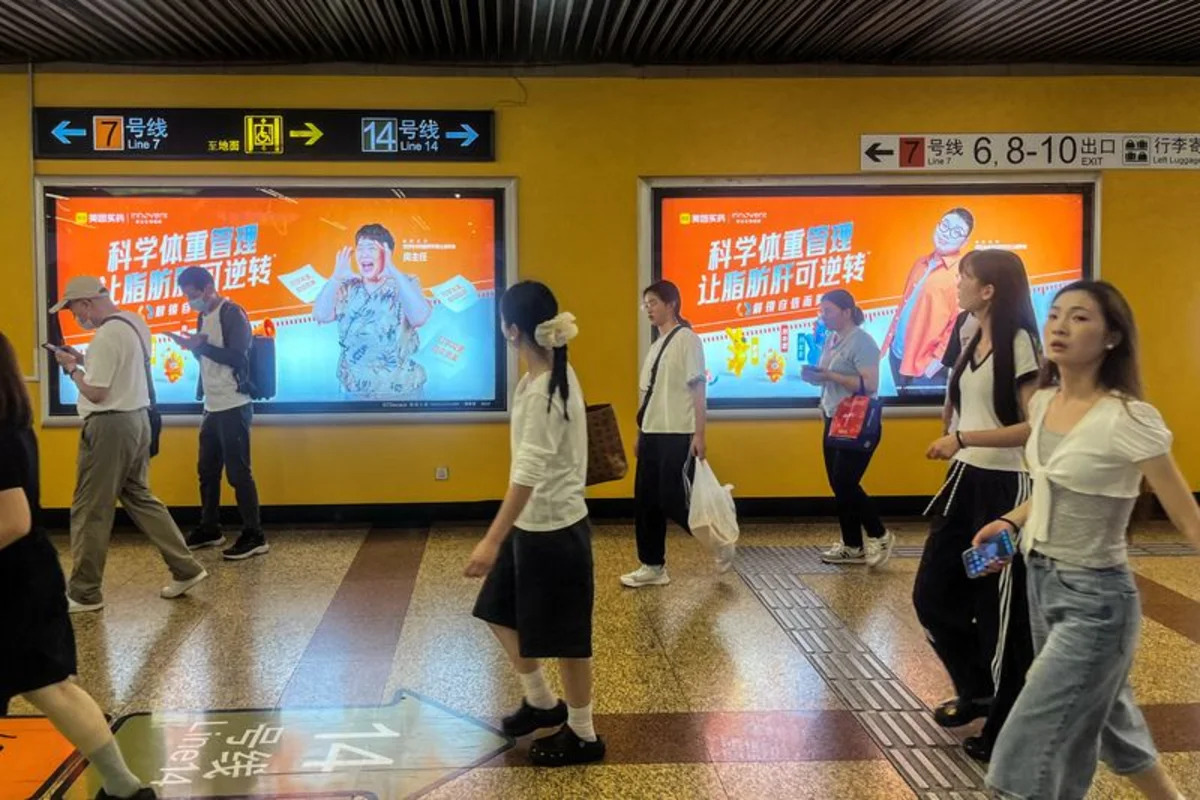
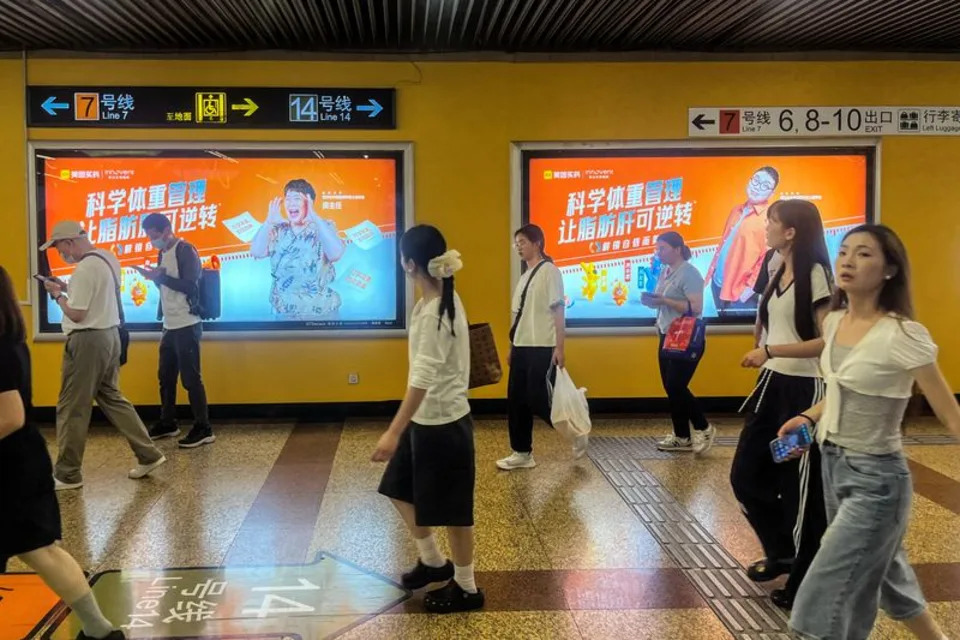
Ads from Innovent and e-commerce giant Meituan displayed on a wall in the same station last month said “scientific weight management” can reverse fatty liver disease. Another ad at a soccer stadium in Suzhou during a July match said “Innovent Biologics weight loss amazing!” repeatedly, a stream on the Weibo social media platform showed
Gym chain Supermonkey toutedto launch a “healthy weight loss party” in June and July. A Pfizer employee told a crowd at one such party in Shanghai that the company hoped to help them build a lasting, healthy way of life. Afterward, a trainer led a weightlifting session for attendees, a post by the drugmaker on Xiaohongshu – which was later deleted – showed
The communication efforts of drugmakers go well beyond campaigns related to other medicines, said Jia Hepeng, a professor of science communication at Soochow University in Suzhou
“I rarely see pharmaceutical companies promoting prescription drugs for hypertension, tumors, and other diseases in public settings, or even through indirect advertising,” Jia said
