



Intermittent Fasting: Hype vs. Reality in Human Studies

Ratopati
August 24, 2026
It is very difficult to prove that intermittent fasting is effective, just like any other change in lifestyle. But new technology helps us understand better what works and what doesn’t
It is seen that a new phase of debate about the benefits of intermittent fasting starts every few months
Intermittent fasting involves fasting for a few days a week or eating only for a few hours a day. It is generally known as a method that makes it easier to lose weight compared to calorie reduction methods
But its benefits are not limited to this. Reducing the risk of cancer and cognitive decline is also among its benefits. Perhaps this is why intermittent fasting is becoming very popular
However, recent evidence has raised questions about the credibility of these claims. Based on studies, intermittent fasting can be shown to be more or less effective than other diets
One study even claimed that intermittent fasting could be harmful and increase the risk of heart disease
Krista Varady, a professor of nutrition at the University of Illinois at Chicago, says, ‘Scientists do not always agree on all facts. Let alone influencers. This is not magic.’
So, has intermittent fasting been overhyped? Or is it an effective diet that can extend our lifespan? And why are the evidence so varied?
Many researchers say that the biggest obstacle to strengthening the data is the most difficult issue to solve
Varady says, ‘We don’t know what people are actually eating. This applies to many, possibly all, types of dietary changes.’
- Ancient Eating Habits
Intermittent fasting aims to show how our ancestors ate. Mark Mattson, a neuroscientist at Johns Hopkins University in Baltimore, says, ‘We did not grow up in an environment of eating three meals and two snacks a day.’
Fasting causes changes in metabolism. The body starts burning fat in the blood instead of sugar first. This change in metabolism alters the behavior of cells
Healthy cells begin to recycle old and damaged proteins. This process is called autophagy. It makes cells like new again
In theory, this has a direct impact on the claimed health benefits
In a significant study published in the ‘New England Journal of Medicine’, Mattson linked this metabolic change to longevity and a reduction in diseases (such as diabetes and cancer)
But there is only one problem. The strongest evidence comes from studies on mice, flies, and worms. For them, intermittent fasting was like a good treatment
The mice ate as many calories as they were given. But when their eating time was limited, they remained fit and healthy into old age. On the other hand, other mice became obese and sick
However, evidence from studies on humans is not as reliable

- Mice and Humans
The effects of fasting have been seen differently in mice and humans. The main question is how intermittent fasting affects <a href="https://healthylife7.com/foundayos-private-launch-lays-bare-the-nhs-obesity-lottery/” title=”Foundayo’s Private Launch Lays Bare the NHS Obesity Lottery”>obesity
Based on the type of intermittent fasting, Varady says, ‘It reduces weight by about 5 percent’ in humans
She says, ‘It is as effective as any other diet strategy. But in the case of humans, excellent results like those in mice have not been found.’
Even with a small weight loss from intermittent fasting, there can definitely be metabolic benefits
Varady says, ‘There is some reduction in indicators of metabolic risk, including cholesterol and blood pressure. It also appears to reduce the symptoms of polycystic ovary syndrome.’
She states that the less healthy a person is when starting this process, the more health benefits they will receive. However, these benefits are less apparent in humans compared to those seen in mice
In addition, more stringent forms of intermittent fasting (e.g., alternate-day fasting) can reduce lean body mass and make individuals metabolically less healthy
The same applies to claims of improved cognitive function. Clear differences are seen in data from mice and humans. Similar mixed results have been obtained from cancer research

In animal studies, intermittent fasting was linked to protection from cancer and better tolerance of toxic chemotherapy. However, a large study on humans failed to replicate the methods that proved effective in mice
Researchers developed a special diet that mimicked the biological changes that occur in the body during prolonged fasting. In theory, it was hypothesized that healthy cells would become stronger and cancer cells weaker
However, the expected metabolic changes did not occur in the humans in whom this was tested
Despite this, the 5:2 diet may be beneficial for women with metastatic breast cancer during chemotherapy. It can improve their quality of life and slow the progression of the disease
Amidst confusing and differing results, one thing becomes clear. The benefits of intermittent fasting in humans are not as impressive as in animals. What is the reason for this?
Some reasons are basic biological differences. For example, mice have a much higher metabolic rate than humans, which can lead to misunderstandings

Courtney Peterson, an associate professor of nutrition at Harvard School of Public Health, says, ‘A 16-hour fast for a mouse is equivalent to several days of fasting for a human because their metabolic rate is so high.’
Varady explains that the mice used in these studies are usually genetic copies of each other, which cannot detect the diversity seen in humans. She says, ‘They are really very poor models.’
However, perhaps the biggest obstacle is not biology but information. Peterson says, ‘It is very difficult to know what people are actually eating.’
- Memory Lapses
One reason for the clear relationship between diet and its effects in animal studies is that there is no doubt about what they are eating
Mice and other laboratory animals have no choice but to ‘adhere to the diet’. Researchers feed them as much and as often as they provide. This makes it easier to determine the direct relationship between diet and biological or medical effects
However, in most human studies, the intake of nutrients cannot be controlled
They can be told about the diet to follow and given a food diary (on paper or sometimes virtual)
Then they start living their lives and choosing their own food. Varady says, ‘We have no way to measure what people are actually eating in nutrition research. So we are completely dependent on them telling the truth.’
But even honest people’s memory is not perfect. They may forget to write down a meal in their food diary. Or due to shame for not adhering to the diet, they may omit mentioning a few things they ate during fasting
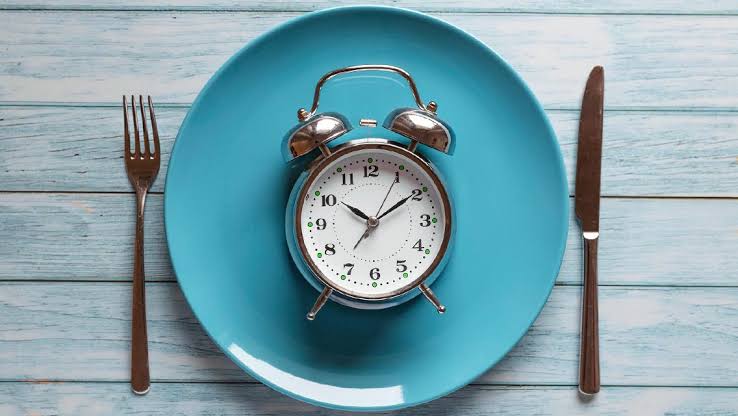
Varady estimates that only 50 percent of the participants in her study return food records. The rest sometimes manipulate them
Varady says she inadvertently discovered this information when she was a young professor of nutrition
As she walked past a room where study participants were waiting to submit their food records, she saw someone hastily writing down the details of the entire week’s meals
She says, ‘They were just making things up. And I thought, ‘Oh, this is useless data.’ And then it occurred to me, ‘How many other people might be doing this?’
According to Thomas W
Wilson, a nutrition researcher at Aberystwyth University, an international team of researchers developed an equation in 2025 to estimate the scope of this problem
It was found that about 30 percent of people underestimate the amount of food they eat. He adds, ‘It is rare for people to overestimate the amount they eat.’
The most accurate way to determine how much energy a person is actually consuming is through ‘doubly labeled water studies’
In these studies, participants drink water containing safe stable isotopes of hydrogen and oxygen. By measuring how quickly these are eliminated from the body through sweat and urine, scientists can calculate how much energy the body has used during that period
The 2025 equation revealed that people underestimate by an average of 400 to 800 calories. But this can vary for each individual
When Varady used this to find out how different a person’s dietary recall is from reality, the results were astonishing
She says, ‘People report eating 1,600 to 2,000 calories daily. But when we get the actual data from ‘doubly labeled water’, we find they are consuming 3,500 calories.’
According to Peterson, even nutritionists find it difficult to provide accurate nutritional information. There is a lot of variation in food quantities. Moreover, the nutrition composition tables used by scientists to estimate the nutrients in food (e.g., how many macronutrients are in a burger) only contain average information, not complete information for a specific product
These shortcomings are so well-known and concerning that there have been calls to stop publishing studies based on self-reported diets
But the reality is that nutritionists cannot stop using records and surveys. Varady says, ‘This is the only method we have.’
But perhaps this situation will not last long
- Smart Forks, Necklaces, and Tooth Sensors
Not all human studies rely solely on information provided by the participants themselves
‘Inpatient feeding trials’ are a rigorous type of study where what participants eat is precisely controlled by researchers. This can provide data as accurate as studies on mice
Every calorie is carefully controlled. Food is weighed, and even if you feel like snacking during fasting periods, nothing can be done. There is no refrigerator
Peterson has conducted these trials. In her study, intermittent fasting appeared to be more effective compared to general studies. For example, reductions in blood sugar and blood pressure, decreased molecular damage called oxidative stress, and increased autophagy

However, these trials are small and short-term due to their cost, which limits the conclusions that can be drawn. Very few participants have the time to be included in a food trial for six months
But what if you could create an environment similar to these strictly monitored conditions with the help of technology?
Nutritionists are actively seeking new methods that rely less or not at all on self-reporting. New technologies can now provide more accurate records of what people eat
For example, in some studies, people are asked to take photos of everything they eat. But this still requires people to record the data themselves, so others use cameras attached to glasses or necklaces (e.g., FitNable or Autographer)
These cameras take photos every seven seconds or as soon as chewing is detected. However, privacy concerns may arise due to the cameras
Other sensors are also being developed to monitor food without cameras. These include necklaces that detect chewing, smart forks that detect when and how much food a person brings to their mouth, and nutrient sensors worn on the teeth
Most of these methods are still in their early stages. For now, the most practical approach is regular blood and urine tests, which can monitor macronutrients in the body
Wilson says, ‘Urine and blood analysis will give you a lot of information about the composition of food.’
Wilson states that no single technology can solve this problem, even with many new and old technologies available
However, by combining them, a ‘take-home panopticon’, i.e., a home monitoring system, can be created
In a study published earlier this year, Wilson and his colleagues reviewed various methods and technologies and suggested that they could be effective if used together
This team is now in the final stages of a study where these combinations are being tested. This includes subjective food diaries, objective biomarkers from blood and urine tests, and devices like cameras. The study is testing whether this combination of technologies can provide nutrition researchers with information similar to that obtained from hospitalized patients, even when patients are living their normal lives outside
Wilson says, ‘I don’t want to ask you what you ate yesterday.’
- Need for Information
Mattson believes that clinical trials of intermittent fasting need to go further. This should include not only adherence to rules, food, and calorie data but also data on physical activity and sleep
These are things that ‘are carefully controlled in animal studies.’
On one hand, researchers and companies are trying to strike a difficult balance between people’s privacy and understanding their eating habits
On the other hand, social media influencers are presenting results from mice as if they were from humans and exaggerating some benefits of intermittent fasting
Varady says, ‘I’m seeing so much misinformation, so I’m thinking about starting a YouTube channel.’
This problem is not limited to intermittent fasting. She says, ‘This is why people get so frustrated with nutrition research.’
She points to advice related to cholesterol, which has been described as ‘deadly’ and then ‘okay’ for years. She says, ‘This is because we don’t know what people are eating.’
(Published by Collective Newsroom for BBC)
This specific news has been automatically translated by AI. As a result, there may be some inaccuracies or
language errors
Related Articles

Koshi Province Chief Minister Hikmat Kumar Karki Secures Third Vote of Confidence
Biratnagar. Koshi Province Chief Minister Hikmat Kumar Karki has received a vote of confidence for…
Koshi Province Chief Minister Seeks Vote of Confidence for Third Time
Biratnagar. Koshi Province Chief Minister Hikmat Kumar Karki is taking a vote of confidence for…

MP Harkaraj Rai Criticizes Legal System’s Ineffectiveness
Kathmandu. Chairman of Shram Sanskriti Party and MP Harkaraj Rai (Hark Sampang) has attacked the…
Rabi Lamichhane Shows Political Maturity, Urges Focus on Future Plans
Kathmandu. Ruling Rastriya Swatantra Party (RSP) Chairman Rabi Lamichhane has shown increasing political maturity in…
Opposition Party Demands ‘Save Daughters National Awareness Campaign’ Amidst Rising Violence Against Girls
Kathmandu. The opposition party, Communist Party of Nepal (CPN), has demanded that the government start…

Maoist Insurgency’s Legacy: Human Trafficking, Economic Decline, and Political Turmoil
Human trafficking has emerged as the final consequence of the war against capitalism and imperialism….

Motorcycle Accident Claims One Life in Mahendranagar
Mahendranagar. One person has died in a motorcycle accident. Goursingh Mahara died this morning on…

CPN (UML) and Congress Face Power Struggle, Province Faces Dissolution Risk
Biratnagar. Indra Bahadur Angbo, the leader of the CPN (Maoist Centre) Koshi Province Parliamentary Party,…
