


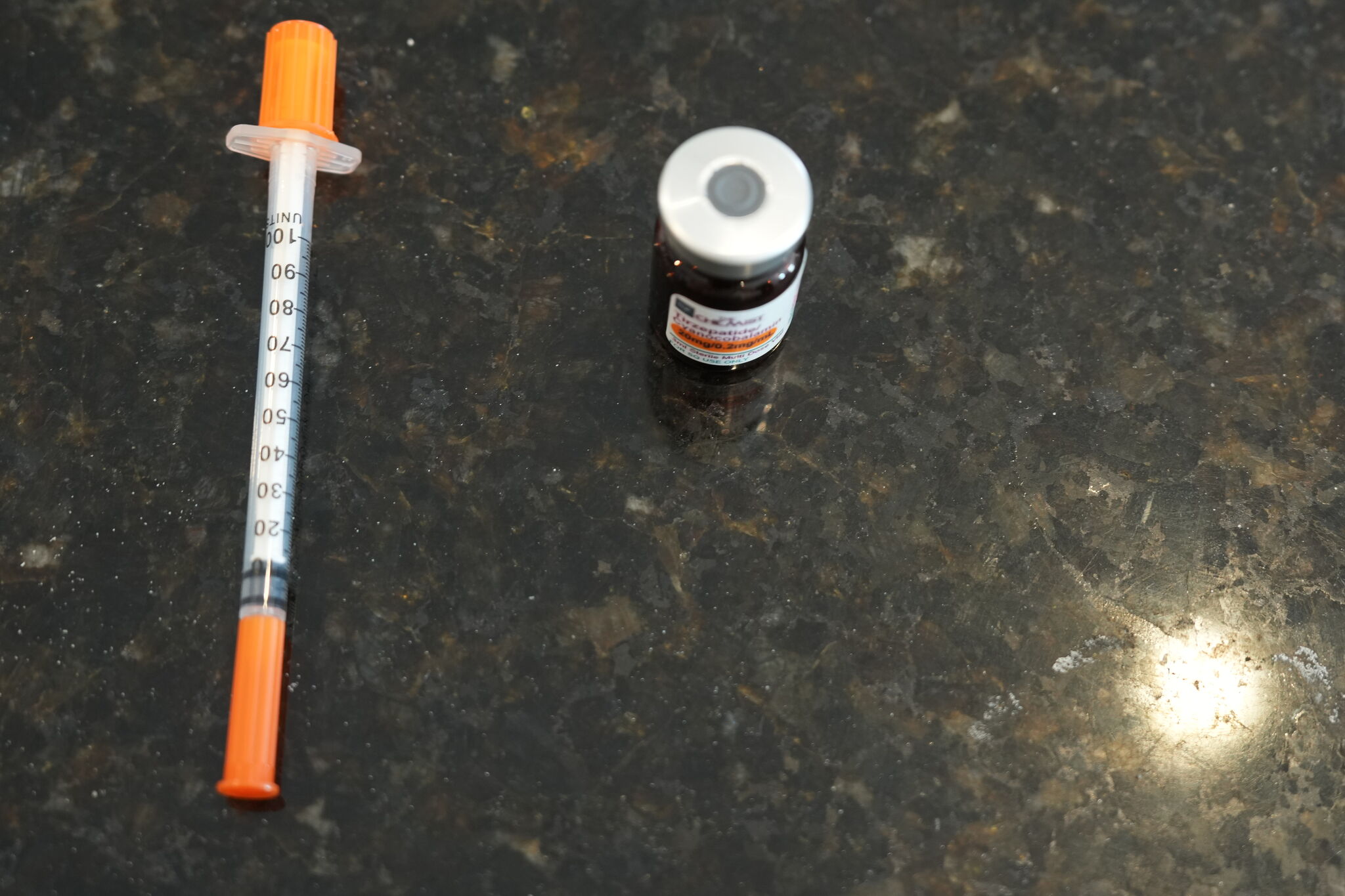
Federal regulators are turning up the heat on sellers of copycat weight-loss drugs. Earlier this summer, theFood and Drug Administration sent warning letters to dozens of companies marketing compounded GLP-1s over misleading advertising
That action is more than welcome. The growing trade in compounded GLP-1s continues to expose patients to serious health risks. If left unchecked, it could have devastating effects on the future of medical innovation
Few medicines have transformed modern healthcare like GLP-1s. Originally developed forType 2 diabetes, they have since been approved forobesity,heart disease,chronic kidney disease and more.Millions of Americans now take them, and researchers continue to investigate their potential againstaddiction andneurodegenerative disorders
Article continues below this ad
Demand for these medicines surged so rapidly that drug makers couldn’t keep up. A nationwide shortage emergedin 2022. Federal law allowed qualifying compounders to make versions of these medicines while the drugs remained on FDA’s shortage list
The shortages came to an end last year. Yet sellers of compounded GLP-1s continue to do brisk business. Consider just one example: Houston-based Empower Pharmacy generated $311 million in revenue in the first 10 months of 2024, according to reporting from the Houston Chronicle, with nearly one-third coming from a single compounded semaglutide formulation
Make us a Preferred Source on Google to see more of us when you search.
Add Preferred Source
That booming market should concern patients. Compounded drugs arenot approved by the FDA. They do not undergo the same review for safety, effectiveness and quality as brand-name medicines
As of May, the FDA had received990 reports of adverse events associated with compounded versions of the GLP-1 semaglutide, the active ingredient in Wegovy and Ozempic, and more than730 associated with compounded tirzepatide, the active ingredient in Zepbound and Mounjaro
Article continues below this ad
Some cases have been severe. A study by my colleague Wayne Winegarden of the Pacific Research Institute noted that compounded semaglutide has been connected toat least 100 hospitalizations and 10 deaths. Regulators have also warned aboutdosing errors, improper storage and products made with ingredients of questionable quality
Then analysis of2,465 shipments of semaglutide and tirzepatide between September 2023 and January 2025 found that239 were from entities that did not have any products featuring the two substances listed with the FDA. Many of those shipments were allowed to enter the United States anyway, a violation of federal law
Patients shopping for lower-priced GLP-1s may have no idea where the ingredients in their medications came from. They may also believe they are getting the same brand-name drug they saw advertised on television.
The FDA’s warning letters suggest that sellers have done little to correct that confusion
Patient safety isn’t the only casualty. Unauthorized compounding threatens the system that produced these breakthroughs in the first place
Article continues below this ad
Bringing a new drug to market can take up to 15 years and cost upwards of$2.9 billion, after accounting for post-approval costs. Among drugs that reach clinical trials, less than7% go on to earn FDA approval
Companies take those risks because patents give them a limited window of time in which to earn a return on their investment. That opportunity is what attracts investment into the next round of research.
When unauthorized, mass-market compounded copies siphon sales from innovators during their exclusivity period, they reduce the re
That’s exactly what’s happening in the GLP-1 market. About1.5 million people are currently taking compounded versions of these drugs. Winegarden estimates that compounding inappropriately reduced annual research and development spending by$1.2 billion to $1.6 billion
Given the historical relationship between pharmaceutical research and development spending and new drug development, a decline in research spending of that magnitude could meanfour or five fewer innovative medicines end up being developed in the years ahead
Article continues below this ad
Could they be effective therapies for Alzheimer’s, cancer, heart disease or conditions for which no treatments currently exist? We may never know
Compounding can serve a legitimate purpose. Some patients require a different dosage, formulation or ingredient that isn’t commercially available. But preparing a medicine for one patient’s unique needs is very different from manufacturing thousands of look-alike products for the broader market. And a temporary shortage cannot become a permanent loophole for makers of unapproved drugs
Americans deserve medicines that are affordable. They also deserve medicines that are safe, FDA-approved, honestly marketed and developed in a system capable of producing tomorrow’s cures
Sally C. Pipes is president, CEO and Thomas W. Smith Fellow in Health Care Policy at the Pacific Research Institute. Her latest book is “The World’s Medicine Chest: How America Achieved Pharmaceutical Supremacy — and How to Keep It”(Encounter 2025). Follow her on X @sallypipes
Article continues below this ad
