Improving access to medicines for patients with reduced hand function
Helen Thompson and Sandra Paget share the findings of a project, which collaborated with the Health Innovation East Midlands, to highlight the lived experiences of patients with reduced hand function and take first steps to address these issues.
Reduced hand function is a feature of a range of health conditions and illnesses, such as arthritis, Parkinson’s disease, stroke and cerebral palsy, among others. In the East Midlands alone, some 1.4 million people have a disability, 25% of whom have a dexterity impairment, presenting challenges when accessing health services, taking medicines or using health-related technology1
After hearing about the difficulties faced by patients with reduced hand function when attempting COVID-19 testing and bowel screening, we were inspired to set up a project with Health Innovation East Midlands (HIEM), which is aimed at highlighting lived experiences and to take first steps in addressing these issues
To do this, we set up a series of participative workshops, built around the Design Council’s double diamond co-design framework. We aimed to work equally with members of the public, as with other professions, and work collaboratively on outputs to disseminate project learning. The project planned to reach people across a range of conditions, while publicity was sent directly to regional charities or via e-newsletters. Real interest was shown, with 25 people attending daytime or evening introduction sessions. A small, committed group of eleven people agreed to join the project.
The workshops took place online over six two-hour evening sessions between March 2026 and May 2026. It included people living with arthritis, stroke, multiple sclerosis, brain injury, Charcot-Marie-Tooth disease, essential tremor and cancer
In workshops, group members described how challenging it is to communicate what they can or cannot do with their hands to health professionals
A range of difficulties for people taking medicines and using devices were identified. For example, once a patient has their medicine from the pharmacy, there are additional practical dilemmas for those with reduced hand function, including:
- Taking a teaspoon of medicine — the challenge is around holding a spoon and pouring a medicine bottle in another hand. One group member was only confident about taking the 5 ml medicine prescribed after sourcing a tiny column measure, which showed 5 ml;
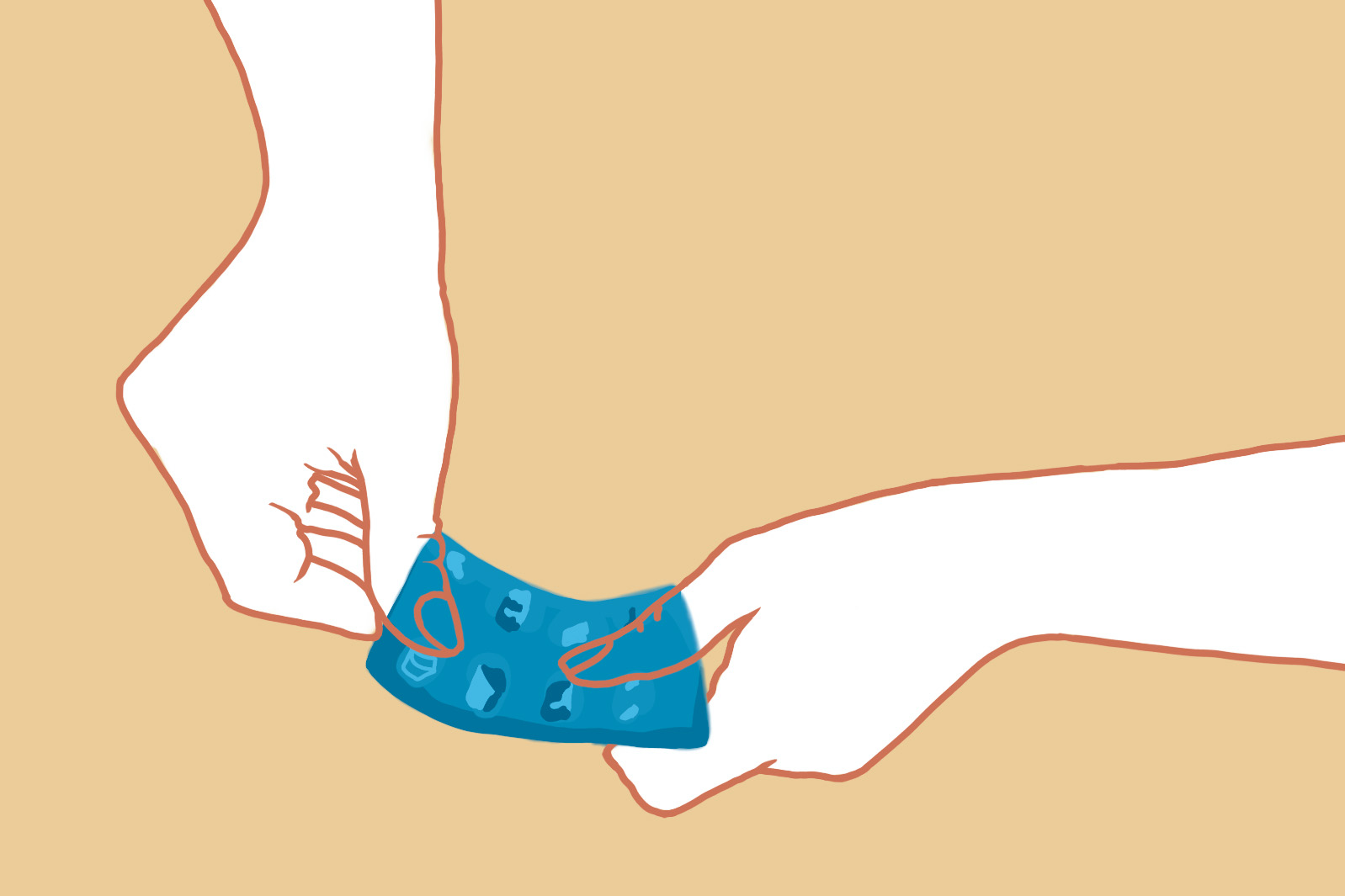
- Taking tablets—releasing a tablet from the pill foil can be a struggle. A group member recommended a pill popper tool available online to extract the tablets, which could be an accommodation recommended by pharmacists;
- Splitting tablets — members of our group spoke with frustration about attempting this challenge. A gadget that splits a tablet cleanly with a metal edge was suggested by one group member as effective at cutting the tablets, and it was noted that some tablets are easier to cut that others. Pharmacists should be able to signpost to this type of device;
- Child-proof tops — frustration with child-proof tops was evident. Having enough hand pressure to push down on the bottle and then turn to release the lock was described as “really difficult”, leading to the outburst: “If you can’t get the top off the bottle what use are the contents?”;
- Using injection pens — although injection pens are spring-loaded, they still present problems. A group member described an indirect method to push the injection pen button: “I turn it to load it. I wedge the injection against the side of the chair then increase the pressure against the chair to fire the button.”;
- Taking eye drops — group members highlighted the difficulties of taking eye drops, but no one mentioned any aids being offered to help people administer the drops.
Surprisingly, there were no reports of pharmacists being able to recommend aids or adaptations for taking medicines, although pharmacy medicines reviews were noted as being very helpful
More can be done to enable people with hand disabilities to take medicines and use medical devices in a less stressful way
Group members also expressed issues with using medical devices. Using a heart monitor requires “placing several leads around your body [and] needs much dexterity and big movements which is very difficult,” one member said. Others noted that measuring blood pressure and recording readings were not possible, while two members of the project shared concerns and distress about attaching and opening stoma bags, especially if they continue to lose strength
In workshops, group members described how challenging it is to communicate what they can or cannot do with their hands to health professionals. A key theme was that people felt they weren’t heard or believed when they explained about their level of fine motor skills or dexterity2. The group was keen that health professionals develop more awareness about the challenges of living with a reduced hand function
By the final workshop, the group had prioritised action needed to raise awareness and share tools to support hand function with peers and charities. A webinar with HIEM is being planned for autumn 2026 to highlight insights from the workshops with health professionals.
More can be done to enable people with hand disabilities to take medicines and use medical devices in a less stressful way3. There are also likely to be more opportunities for pharmacists to promote the aids and adaptations often unknown to the public and help people take their prescribed medication more easily
- 1.
Family Resources Survey: financial year 2023 to 2024. Department of Work and Pensions. 2025. https://www.gov.uk/government/statistics/family-resources-survey-financial-year-2023-to-2024/family-resources-survey-financial-year-2023-to-2024 - 2.
Invisible Disabilities Should Not Mean Invisible Patients. Medical Humanities . 2024. https://blogs.bmj.com/medical-humanities/2024/05/14/invisible-disabilities-should-not-mean-invisible-patients/ - 3.
The WHO European Framework for action to achieve the highest attainable standard of health for persons with disabilities 2022–2030. World Health Organization . 2022. https://www.who.int/europe/publications/i/item/WHO-EURO-2022-6751-46517-67449
Last updated 24 August 2026 10:44
Citation
The Pharmaceutical Journal, PJ August 2026, Vol 321, No 8012;321(8012)::DOI:10.1211/PJ.2026.1.424905
You may also be interested in

Urgent action on Scotland’s healthy life expectancy gap needed, RCPharm conference told

Diabetes items made up one-fifth of NHS community prescription spend in 2025