


AI can detect heart disease in women using mammograms, study suggests
Experts say findings mean breast screenings for cancer could also flag cardiovascular problems in women
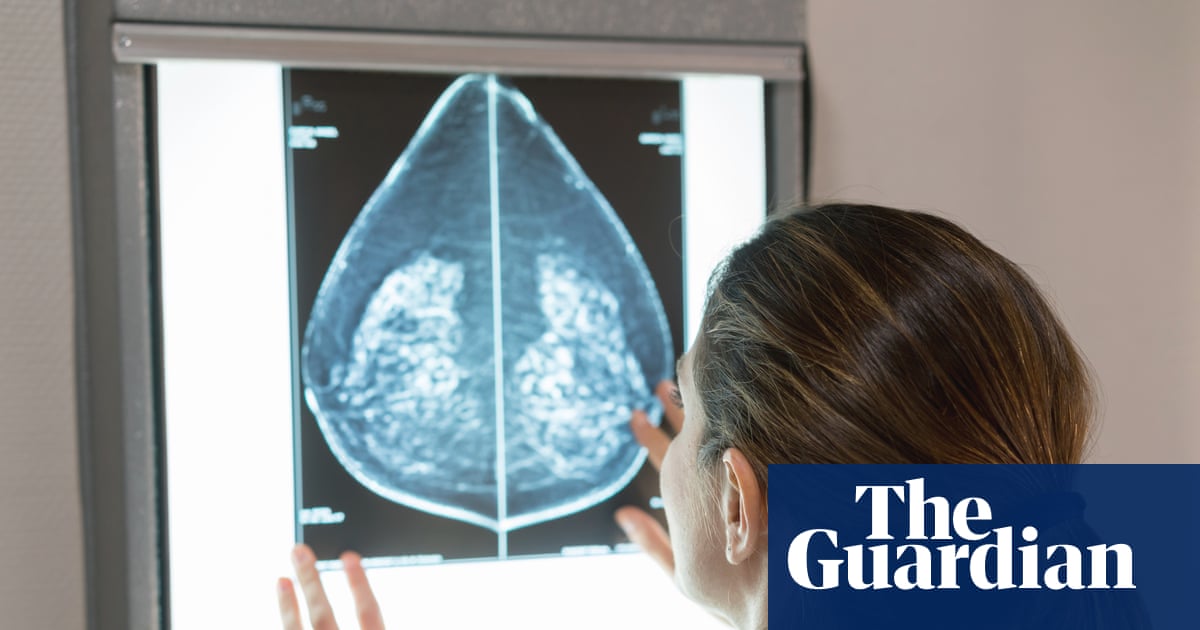
Doctors have discovered a way to use routine mammograms that screen for breast cancer to spot heart disease, the world’s leading – and frequently underdiagnosed – cause of death in women
Researchers analysed the scans using artificial intelligence and were able to successfully identify women with coronary heart disease, high blood pressure or who had suffered a stroke
Experts said it meant breast screening for cancer could become dual-purpose, helping to flag women with heart disease, and other cardiovascular issues, as well as spotting breast cancer early
Millions of women are living with undetected heart disease. For decades, it has often been misdiagnosed or not picked up until the late stages of the disease
Details of the breakthrough were presented in Munich at the European Society of Cardiology’s annual congress, the world’s largest heart conference. The implications are significant because hundreds of millions of women undergo mammograms every year
Doctors in Israel examined 97,364 scans from 29,921 women who had an average age of 54. By cross-referencing medical records, they found 16% of the women had high blood pressure, 2.5% had coronary heart disease, and 2.5% had experienced a stroke
A machine-learning model was trained to identify women with these conditions and was able to reliably identify women who had suffered a stroke, based upon their mammogram alone, 86% of the time
I work in a hospital – and didn’t know I was having a heart attack. Here’s what more women should know
Read more
For high blood pressure and coronary heart disease, it was 79% and 78% reliable at distinguishing between the women with the condition and those without. The results were also consistent regardless of age, or whether or not a woman also had cancer
Drfindings to delegates in Munich. “Despite being the leading cause of death in women worldwide, CVD [cardiovascular disease] is consistently underdiagnosed and undertreated,” she said
“A common finding in our medical centre, and around the world, is that when women do seek medical help, their CVD is already advanced. On the other hand, many women do attend routine breast cancer screening, even when they haven’t sought care for cardiovascular symptoms.”
Because mammography is already widely used, analysing breast scans for information about a woman’s heart health “could potentially offer a scalable approach without requiring an additional imaging examination,” Copeland added
“Mammography also reaches many women in midlife, an important period for recognising and addressing cardiovascular risk.”
A team of doctors and medical researchers are working to improve the accuracy of the AI model and reduce false results, while increasing the number of heart conditions it can detect
Elena Arbelo, an expert member of the European Society of Cardiology communication committee, said the findings were “compelling”
“A mammogram may one day do more than look for breast cancer – it may also offer a window on to cardiovascular health. That matters because CVD in women is still too often recognised late.”
She added: “The challenge now is to establish accuracy and reliability – to move from experimentation to clinical implementation.”
Dr Sonya Babu-Narayan, a consultant cardiologist and clinical director of the British Heart Foundation, a charity, also welcomed the breakthrough
She said: “Heart disease is the world’s biggest killer of not only men, but also women. Despite this, the myth persists that it’s only a ‘man’s disease’, meaning that when it comes to the heart, women are disproportionally unaware, unheard, underdiagnosed, undertreated and typically underrepresented in clinical research
“It is exciting to think that if the approach used in this large study from Israel is further proven, it could lead to better and earlier cardiovascular disease detection and prevention for women. AI could one day allow breast cancer screening programmes to become dual-purpose, helping to flag women with the highest risk of dangerous cardiovascular disease, as well as spotting breast cancer early.”
Explore more on these topicsShare
Reuse this content
