


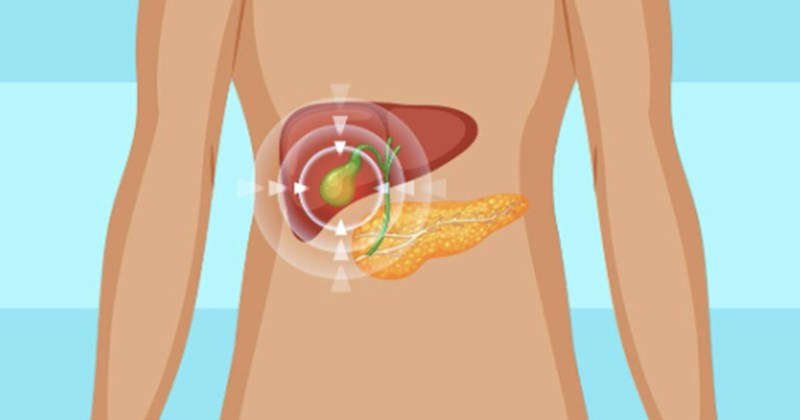
Obesity increases the risk of gallstones
THÙY DƯƠNG (T/H) – 18:30, Thu Aug 27, 2026 (GMT+7)
Obesity can increase the risk of gallstones through changes in lipid metabolism, hormones and the activity of the gallbladder
The link between obesity and gallstones
According to Assoc. Prof. Dr. Nguyen Anh Tuan – Director of Surgery, Phuong Dong General Hospital, obesity is an important risk factor for the development of gallstones. Many studies have shown that obese people are at higher risk of gallstones than people with normal <a href="https://healthylife7.com/glp-1-weight/” title=”GLP-1 weight”>weight. This risk may be related to many factors such as metabolic changes, diet and lifestyle behavior in obese people
The rate of gallstones in obese people is much higher than in people with normal weight. According to research, the risk of gallstones in obese people can be 2-3 times higher than in non-obese people
Research from the Framingham Heart Study shows that about 33% of obese women and 20% of obese men have gallstones, compared to 9% in women with normal weight and 4% in men with normal weight
Mechanisms explaining why obese people are prone to gallstones
The increase in the risk of gallstones in obese people can be explained through many mechanisms, including:
Increased cholesterol levels in bile: Obese people often have higher blood cholesterol levels, leading to increased cholesterol secretion into bile. When cholesterol levels in bile exceed the solubility of bile salts, cholesterol crystallizes and forms stones
Reduce bile salt levels: Obese people tend to have a lower bile salt/cholesterol ratio, reducing the solubility of cholesterol, promoting the formation of stones
Reduced activity of the gallbladder
Gallbladder deposition: Obese people often have less physical activity and a diet high in fat, leading to reduced gallbladder contraction activity. This causes bile to be depositioned longer in the gallbladder, creating favorable conditions for cholesterol crystallization
The presence of metabolic syndrome
Metabolic syndrome: Obesity is often accompanied by metabolic syndrome, including increased blood sugar, high blood pressure, increased triglycerides and decreased HDL cholesterol. These factors also increase the risk of gallstone formation
Effects of hormones
Obese people, especially women, often have higher levels of estrogen. Estrogen can increase cholesterol levels in bile and reduce gallbladder contractions, increasing the risk of gallstones

Eating and living habits that increase the risk of gallstones
Eating too much fat, less fiber, skipping meals, losing weight too quickly and lack of exercise can increase the risk of gallstone formation.
Guidelines for building a diet for overweight and obese children
The Ministry of Health recommends that overweight and obese children need to adjust nutrition, increase exercise and control weight appropriately to develop height.

Obesity is not just about weight, cardiovascular risk is more worrying
Obesity is not only a weight problem but also related to many cardiovascular and metabolic diseases.
