


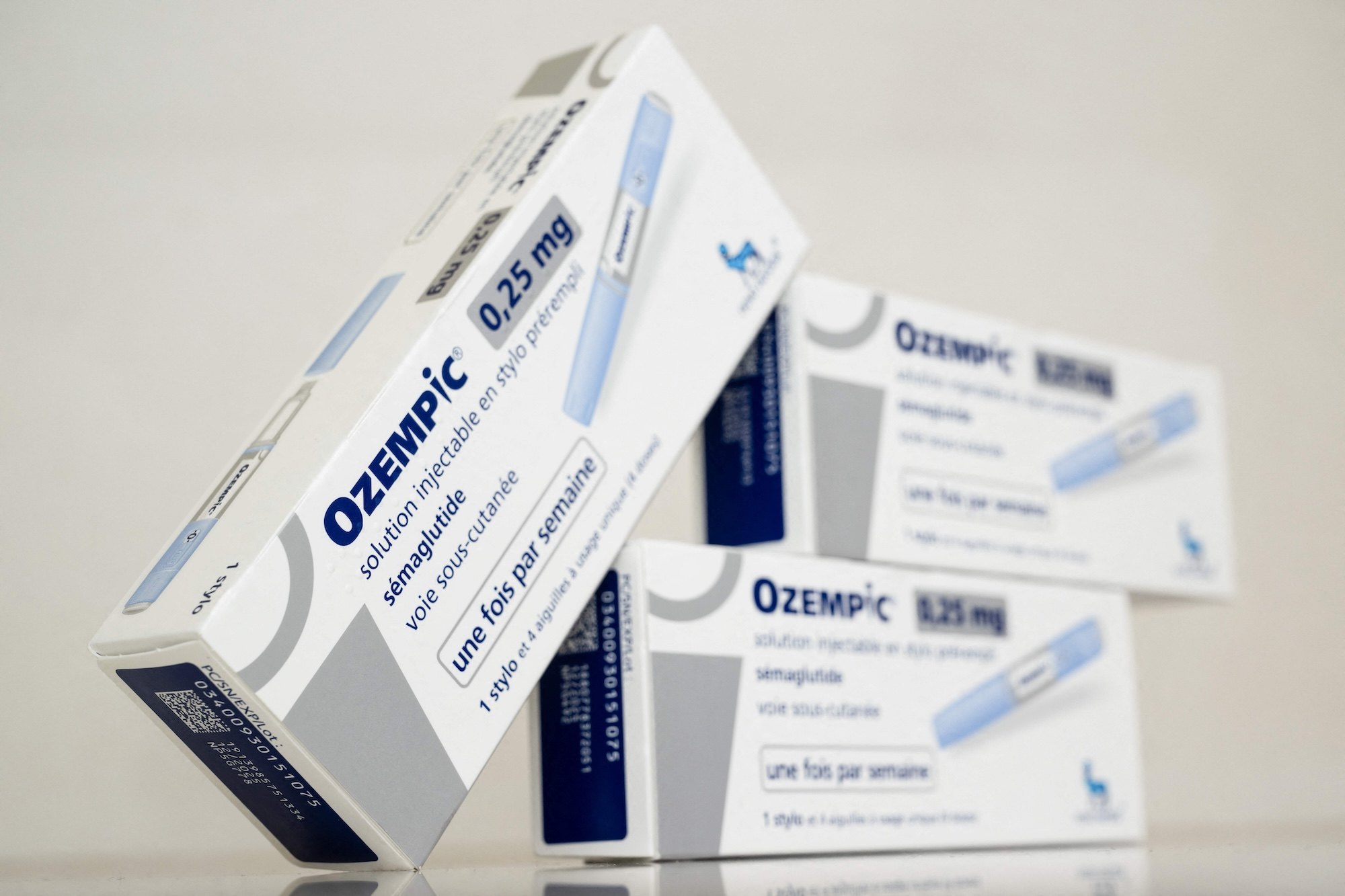
Social media is flooded with before-and-after photos of GLP-1 users showing sunken cheeks, hollow temples and sudden signs of aging, a set of changes now widely called “ozempic face.” Here is what plastic surgeons and dermatologists say is actually happening and what patients can do about it.
What is ozempic face and why are people talking about it?
Ozempic face is the nickname for the gaunt, aged appearance some people develop after rapid weight loss on GLP-1 medications like Ozempic, Wegovy and Zepbound. The look is not listed in patient information but has been recognized by surgeons as a predictable result of dropping significant weight quickly, and it is not confined to any single drug.
Use of these medications has exploded. GLP-1 prescriptions for overweight or obesity jumped 587 percent from 2019 to 2024, according to a recent study, and non-diabetic GLP-1 initiations rose about 700 percent over four years through 2023. KFF polling found 18% of U.S. adults have ever used a GLP-1, with 12 percent currently taking one as of late 2025.
What does temporal wasting look like and how do you spot it?
Temporal wasting refers to the loss of volume in the temples, and it is the signature tell of ozempic face. Patients often sense that something has shifted in their appearance without being able to name what changed.
“A patient will come in and go, ‘Why do I look disturbed? Why do I look suddenly older? What is it about me?’ And one of the strongest characteristics of the ‘Ozempic face’ is the loss of volume in the temple,” Beverly Hills plastic surgeon Dr. Terry Dubrow told USA TODAY.
Even a slight change in temple depth can make someone look older or even dehydrated, according to Dubrow. Volume loss in the malar and submalar areas, meaning the cheeks, typically follows, contributing to the hollow, drawn look that has gone viral online.
Why does rapid weight loss change the face this way?
The changes come from losing 35 or more pounds in a short period, often six months or less, which depletes the skin and body of essential nutrients and disrupts the endocrine and gastrointestinal balance.
“The skin thins, [and] loses its elasticity and luster from sudden and rapid depletion of the essential fatty acids that make up the skin barrier function. Its collagen and elastin metabolism is also disrupted, resulting further in sallow, dull, thin skin,” St. Louis plastic surgeon Michele Koo told Everyday Health.
The effect is not unique to any single medication. New York City plastic surgeon Dr. David Shafer told the same outlet that “as we age and when we lose weight, often we also lose weight in our face, leading to skin laxity. This is not anything specific to Ozempic. Any method of weight loss would lead to the same issue.”
How can you prevent or reverse ozempic face?
The best prevention is losing weight gradually and following the prescribed dose schedule, according to Dubrow. Problems typically arise when patients escalate doses too quickly or source the drugs outside a doctor’s care.
“Don’t go too fast. Don’t try to go up in the dose too quickly. Do exactly what you’re supposed to do,” Dubrow told USA TODAY.
For skin that has already changed, over-the-counter options are limited. There is no OTC product that replaces lost facial volume, according to Kathleen C. Suozzi, associate professor of dermatology at Yale School of Medicine. Retinoids can help texture and the appearance of crepey skin, dermatologist Nazanin Saedi told Everyday Health, and Shafer recommends a medical-grade regimen with bioactive ingredients such as tretinoin. To restore lost volume, patients typically need clinical treatments like fillers, fat grafting or other volume-restoration procedures, ideally performed by a board-certified plastic surgeon or dermatologist familiar with GLP-1-related facial changes.
