


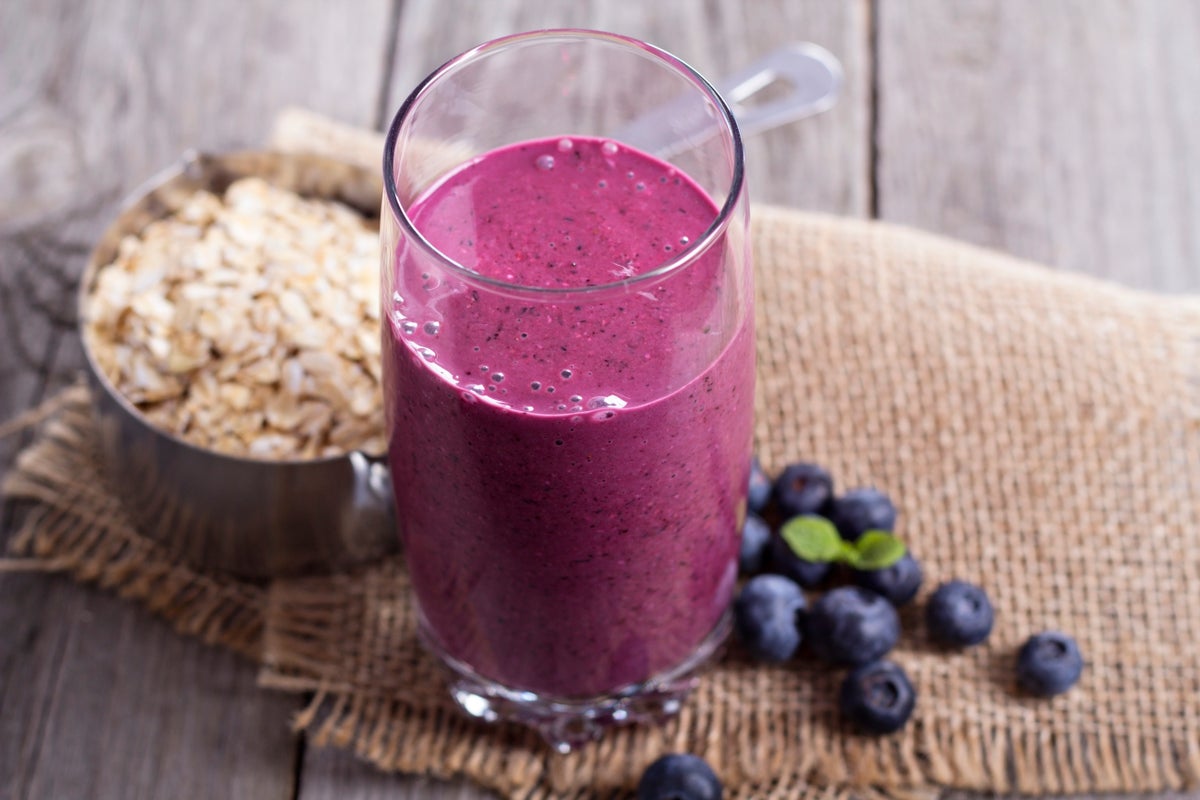
There is a beautiful stupidity in the next great innovation of the food industry: food designed to make us want less food. Capitalism has finally eaten itself, and now it’s complaining that it feels a bit full
This is the strange promise of inulin-propionate ester, or IPE, a “supercharged” fibre developed by scientists at Imperial College London and the University of Glasgow. It has been approved by the European Food Safety Authority for use in food, which means products containing it – smoothies, cereal bars, bread and breakfast foods, the sort of things already wearing too many health claims for their own good – could start appearing in Europe within the next year
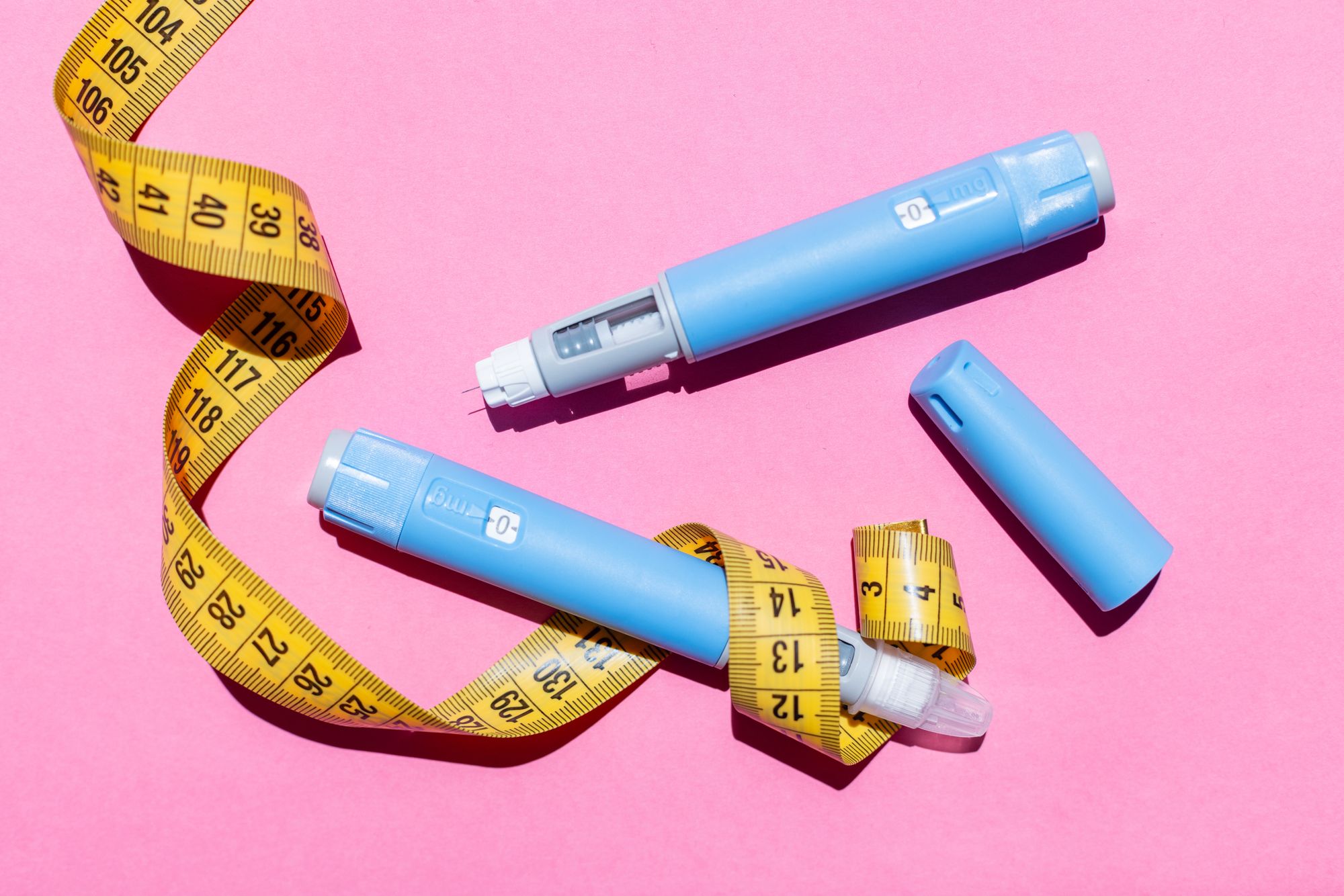
The obvious shorthand is to call it “food Ozempic”, because this is 2026 and apparently everything must now be understood through the language of GLP-1s. Ozempic, Wegovy and Mounjaro are powerful drugs that act on the hormonal pathways involved in appetite and blood sugar. They are also no longer niche: researchers put current weight-loss medication use in Great Britain at around 1.9 million adults
IPE, on the other hand, is fibre. Clever fibre, admittedly, but still fibre. It is designed to deliver propionate, a short-chain fatty acid, to the large intestine, where it can stimulate the release of satiety hormones including GLP-1 and Peptide YY. In plain English, it tries to get the gut to tell the brain: “That’ll do, thanks.”
There is real science here and real sense
Fibre is one of the few areas of nutrition that does not immediately collapse into nonsense the moment it’s printed on a packet. It helps with digestion, fullness, blood sugar and a great deal else besides. We do not eat enough of it. NHS advice says adults should be getting 30g of fibre a day, but 96 per cent of us are failing to meet that goal. If most wellness claims are selling you powdered hope, fibre is, at least, the real thing
At the same time, the British Heart Foundation has said that 170,000 people are expected to die from heart-related conditions linked to obesity – one of the leading causes of preventable illnesses – by 2035. That’s 45 people a day
So there is a public health argument for taking IPE seriously. Researchers say that very large amounts of fibre are needed to trigger the appetite-regulating effects we’re all suddenly very interested in. IPE is a shortcut: a way to deliver that signal more efficiently, with around 10g a day used in trials
Professor Douglas Morrison, one of the scientists behind it, has said the idea is to stimulate appetite-regulating hormones “at exactly the right site in the gut”. Professor Gary Frost has described it as a new way of helping people prevent further weight gain
This is not a miracle jab disguised as a flapjack. It is not going to make anyone emerge from a Sainsbury’s confectionery aisle looking like they’ve spent six months on a Hollywood transformation plan. The credible claim is quieter: that it may help some people feel fuller, eat a little less and avoid the slow accumulation of weight that happens over years
Obesity is rarely caused by one element. More often, it creeps in: through larger portions, cheaper calories, stress, poor sleep, desk lunches, app deliveries, tired evenings and food that has been designed by people who understand our brains better than we do
If anything, the arrival of IPE should serve as a warning for how badly modern diets have failed at the basics
If an ingredient in an everyday food could help blunt that drift, even modestly, it could be useful. In a country where weight-related illness costs the NHS £11bn a year, prevention is not a small prize
And fibre, unlike many things sold to us in the name of wellness, is one of the least faddish pieces of nutrition advice we have. Eat more fibre, eat more plants, eat food that takes the body a little longer to digest: this is proven science
If anything, the arrival of IPE should serve as a warning for how badly modern diets have failed at the basics. We have reached the point where we need a laboratory-enhanced fibre because ordinary fibre has been stripped, refined and marketed out of too much of what we eat
Still, there is something almost too neat about the food industry proposing to solve a problem that the food industry helped to create. After decades of ultra-palatable, low-fibre, highly processed foods designed to override fullness cues, we may soon be offered processed foods designed to chemically restore them
That is the real question here: not whether IPE works in a controlled trial, but what happens when it becomes a product. Will it be added quietly and affordably to genuinely useful everyday foods? Or will it become the next wellness badge, slapped on premium smoothies, cereal bars and gut-health snacks, with a name like “Full” in a sans-serif font? You don’t have to be a total cynical to see where this might go
We’ve seen it before. Protein, once the concern of actual athletes, is now in everything from yoghurt to chocolate pudding. Gut health has been stretched from serious science into a marketing language of vaguely virtuous drinks and £6 granola. “Low sugar” can still mean ultra-processed. “High fibre” can still mean sweetened, packaged and profitable. There is no reason to assume “appetite-suppressing” will be immune from the same treatment
The idea of eating something to suppress your appetite is already familiar to generations of women raised on Special K and gym bros on Huel. GLP-1s have changed the conversation around obesity in genuinely important ways, but they’ve also supercharged a thinner-is-better culture that never really went away
That does not mean IPE is all sinister. A fibre that helps people feel fuller is not the same as a crash diet. Nor should every innovation in appetite regulation be dismissed because it makes us feel uncomfortable. For people struggling with weight gain, something like this might eventually have a place
But the marketing will matter. “May help you feel fuller as part of a balanced diet” is one thing. “Get beach-ready with breakfast” is quite another, and one suspects the latter will have better margins
What IPE won’t do is fix the bigger mess. It will not make vegetables cheaper, cooking easier, sleep longer or stress disappear. It will not change the fact that the most readily available food is often the least nourishing, or that healthier choices still require money, time and headspace. A smoothie with appetite-suppressing fibre might help those who clinically need it, but it is not a food policy
So is this a breakthrough or a gimmick? It could be either. In the right hands, IPE is a clever use of what we know about fibre and the gut. In the hands of mass marketers, it could become another way to tell people that their appetite is a problem they can pay money to solve
The real breakthrough would not be a cereal bar that mimics Ozempic. It would be ordinary, affordable food that makes people healthier without needing to be rebranded as medicine. Until then, we can admire the science, doubt the hype and remain faintly suspicious of any industry that sells us food by promising we will want less of it
