


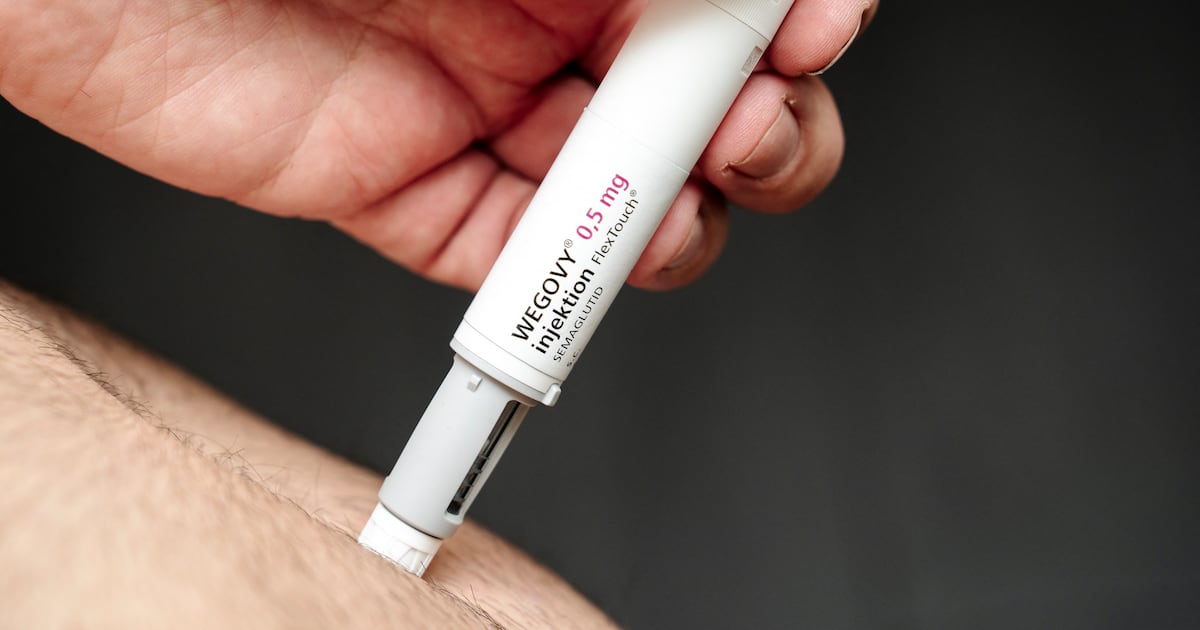
Most obesity drugs such as Wegovy and Mounjaro do not meaningfully <a href="https://healthylife7.com/study-finds-most-weight-loss-drugs-including-wegovy-do-not-improve-quality-of-life/" title="Study finds most weight loss drugs including Wegovy ‘do not improve quality of life’”>improve quality of life, despite patients achieving substantial weight loss, a study has found
The BMJ analysis of 262 trials involving 99,791 participants also found few showed heart health benefits after a year of taking the medication
Greater weight loss was also generally accompanied by greater harms, including stomach and bowel symptoms, fatigue, and loss of lean muscle mass
Improvements were not sustained after stopping treatment
More than a billion people worldwide are overweight or obese. Wegovy, already prescribed for weight loss in the UAE market using an injection pen, was made available as a pill last month
The researchers said that as the number of new obesity drugs increases, physicians must choose the correct treatment for each patient, “individualising the balance of benefits and adverse effects”
They said the new generation of drugs can produce different results depending on sex or health issues such as type 2 diabetes. They carried out the analysis because most drugs known to create substantial weight loss have not been compared directly in head-to-head trials, leaving uncertainty about the balance of benefits and harms
They compared 19 available or emerging obesity drugs. No drug showed clinically important improvements in quality of life, they said
Compared with lifestyle changes alone, the largest weight loss after one year was with tirzepatide, marketed as Mounjaro (14.9 per cent), and CagriSema (14.8 per cent), followed by oral semaglutide, which is marketed as Wegovy (10.9 per cent), orforglipron (9.9 per cent), subcutaneous semaglutide (9.8 per cent), and phentermine-topiramate (8.1 per cent)
Emerging drugs – including retatrutide, ecnoglutide, and mazdutide – showed large effects on weight loss but had lower evidence to support them
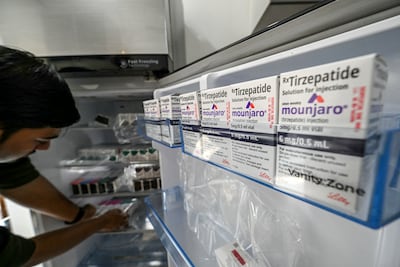
They found greater weight loss was consistently accompanied by higher rates of side effects and treatment discontinuation, which the authors said indicates a clear benefit-harm trade-off
Tirzepatide reduced fat mass the most (by 25.7 per cent) but also lean mass the most (8.3 per cent). Subcutaneous semaglutide was the only drug associated with a reduced risk of death from any cause (19 per cent), heart attack (28 per cent), and heart failure (57 per cent). Tirzepatide also reduced heart failure risk by 51 per cent
They authors said the study was an important step in the “rapidly evolving landscape of treatment options”
They wrote: “Treatment decisions for obesity should be individualised, balancing expected benefits, harms, treatment burden, costs, availability and patient preferences.”
