


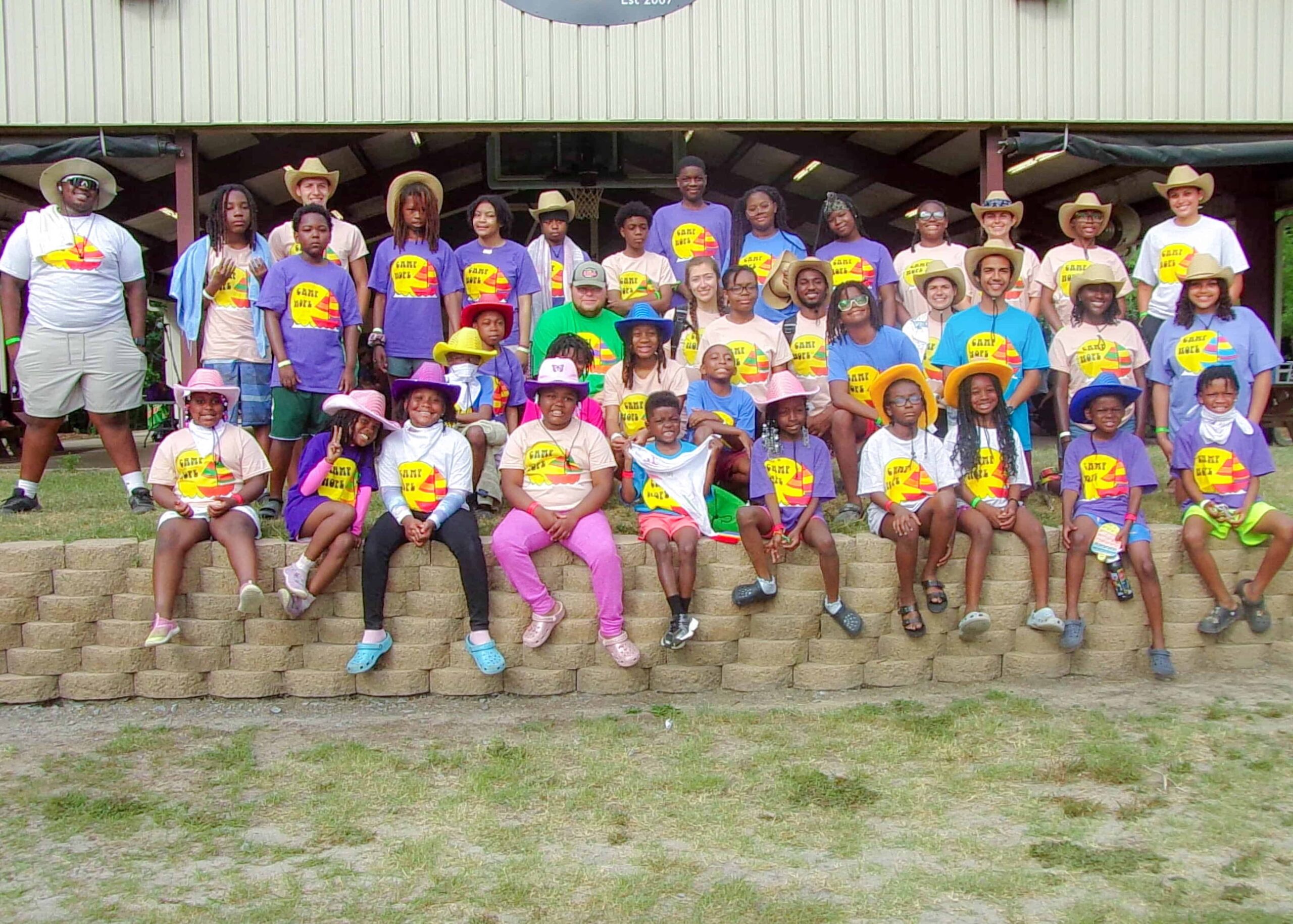
For more than four decades, Camp Rainbow and Camp Hope have given <a href="https://healthylife7.com/children-with-a-parent-in-prison-to-get-earlier-support-under-new-government-pilot/” title=”Children with a parent in prison to get earlier support under new government pilot”>children with serious health conditions something rare: the chance to simply be kids
Camp Rainbow, which began in 1982, and Camp Hope, established in 1991, serve children across eastern North Carolina with complex medical needs. Camp Rainbow welcomes children with cancer, hemophilia and other chronic bleeding disorders, while Camp Hope is designed specifically for children with sickle cell disease
Behind the scenes, a dedicated team from ECU Health and the Brody School of Medicine at East Carolina University’s Pediatric Hematology/Oncology division, comprised of nurses, physicians, child life specialists, social workers and volunteers ensures campers are supported around the clock
“This is a week where they can step away from hospitals and clinics,” said Tamika Mackey, child life specialist at the Pediatric Hematology/Oncology Clinic at ECU Health and the Brody School of Medicine at East Carolina University and director of Camp Hope and Camp Rainbow. “They still take their medications, and we have 24-hour medical care available, but more importantly, they get to just be kids.”
This year, 56 campers joined for the week. While many arrive feeling nervous or unsure, that hesitation quickly fades
“At the beginning, they’re a little nervous about being away from home,” Mackey said. “But by midweek, you can see the change. They’re having fun, making friends and trying new things.”
That transformation is one of the most powerful parts of the experience. Throughout the week, campers participate in activities like canoeing, paddleboarding, horseback riding, arts and crafts and challenge courses. New this year, a “Medals of Honor” program recognized campers for kindness, respect and helping others, reinforcing a sense of community and encouragement among peers
But beyond the activities, it’s the connections that matter most
For many campers, this is the first time they’ve met someone else living with the same condition
“A lot of our campers come from rural eastern North Carolina where there aren’t many – if at all – kids going through the same diagnoses as them,” said Mackey. “It means a lot to them. They can talk about their experiences, their treatments, their time in the hospital. They realize they’re not alone.”
That sense of belonging is what keeps campers coming back, even long after their time as campers ends
Landon Cherry, 17, has attended Camp Hope for years and says each summer offers something new
“The people are great, the counselors are great, and every year feels like a new experience,” he said
“You get new bunkmates, new friends.”
For Cherry, who has sickle cell disease, the camp provides something he can’t always find at home or school
“We can relate to each other,” he said. “Everyone here has something different, but we understand what each other is going through.”
Whether swimming in the lake, participating in activities or simply spending time together, those shared experiences create strong bonds
“You come here, and you can just have fun,” Cherry said. “That’s the best part.”
For some, the camp’s impact extends beyond childhood. Many volunteers were once campers themselves, returning to give back to a program that shaped their lives
Jacy Gibbs, 20, first came to Camp Rainbow at age nine after being diagnosed with cancer. She immediately found a sense of connection and a sense of purpose
“It felt reassuring to know there were other people like me,” she said. “Even though I had support around me at home, I still felt alone sometimes. Camp gave me a place where I didn’t have to think about that. I could just be normal.”
After attending as a camper for eight years, Gibbs is now in her third year as a counselor, fulfilling a goal she set for herself during that very first summer
“I remember standing up on the last night of my first week of camp and saying I wanted to be a counselor one day,” she said. “Now I get to be that person for someone else.”
Today, she sees firsthand the same transformation she once experienced
“It’s really special to watch the kids make connections and build friendships,” she said. “It brings out that inner child in me again.”
As a cancer survivor and college student at East Carolina University, Gibbs also recognizes the importance of being a visible example for campers
“It means a lot to show them what’s possible,” she said. “That they can get through it and still live their lives.”
For Mackey, those full-circle moments are among the most meaningful
“They want to come back and help the younger kids,” she said. “They want to encourage them to try new things, to build confidence, to feel supported.”
That support can even extend into medical milestones. Mackey noted that some campers gain the confidence to take medications independently after seeing their peers do the same — a small but meaningful step in their care journey
Ultimately, Camp Rainbow and Camp Hope are about much more than a week away. They are about building confidence, fostering independence and creating lifelong connections, all while reminding children that their diagnosis does not define them
“They come here unsure,” Mackey said. “But they leave with friendships, confidence and memories that stay with them long after camp ends.”
Camp Rainbow and Camp Hope are offered free of charge to children with chronic illnesses and were made possible this year by generous support and donations to the ECU Health Foundation and from
Children’s Miracle Network, the Pamlico Neuse Women’s Coalition, the James and Mamie Richardson Perkins Trust, the Mildred Sheffield Wells Charitable Trust, Jalen’s Nation, Beau’s Buddies and other individuals and civic organizations
